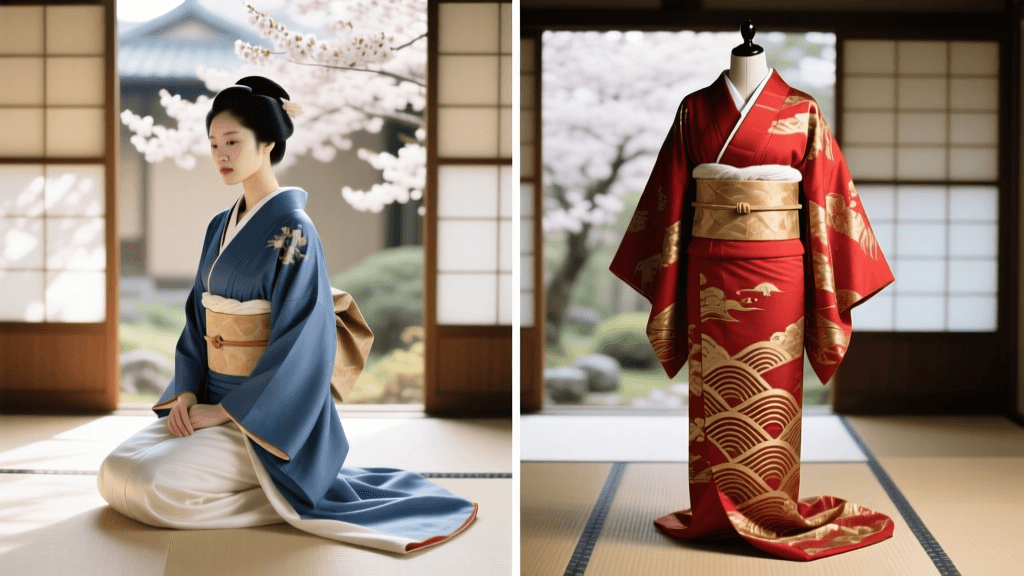
Traditional Japanese Kimono Motifs and Color Symbolism
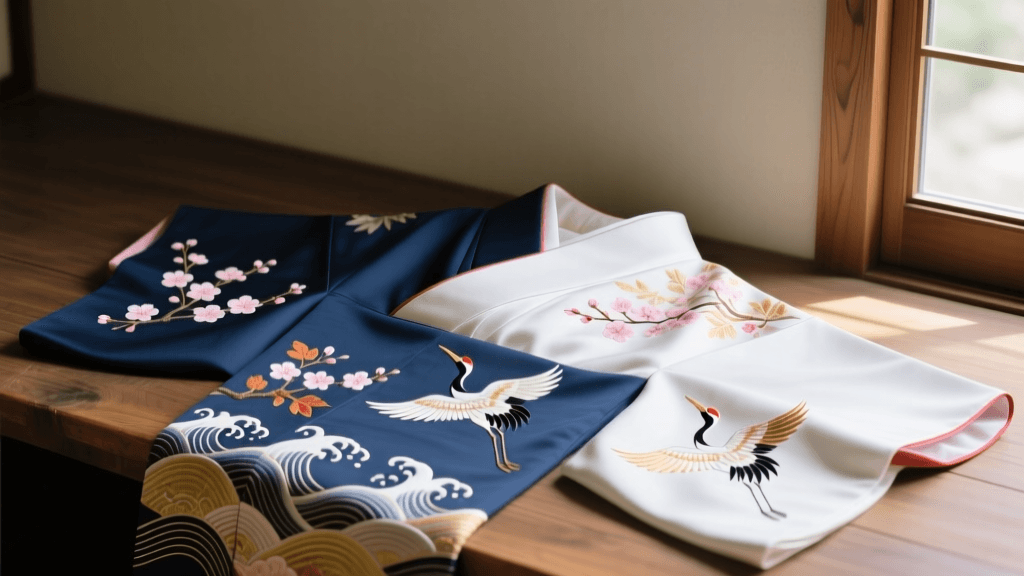
The Language of Silk: Understanding Kimono Symbolism
The traditional Japanese kimono is far more than a beautiful garment; it is a meticulously crafted canvas of cultural storytelling, seasonal awareness, and social signaling. In Japan, the act of wearing a kimono involves a deep understanding of kisetsukan (seasonal feeling) and the auspicious meanings woven into the fabric. According to The Victoria and Albert Museum, the kimono serves as a visual language where every motif, color, and textile technique communicates the wearer's age, marital status, and the specific time of year. For enthusiasts, collectors, and travelers looking to participate in Japanese cultural traditions, decoding these symbols is essential for dressing appropriately and respectfully.
The Rule of Kisetsukan: Seasonal Motifs and Timing
Unlike Western fashion, which often anticipates seasons by several months, traditional Japanese dress adheres to a strict, nature-bound calendar. The golden rule of kisetsukan is to wear motifs that reflect the current season or anticipate a season that is just about to begin. Wearing a cherry blossom motif in autumn is considered a major sartorial faux pas, as it shows a disconnect from the natural world.
Spring (Haru): Renewal and Blossoms
- Ume (Plum Blossom): Worn from late winter through early spring (February to March). It symbolizes resilience and perseverance, as it blooms through the last snows.
- Sakura (Cherry Blossom): The quintessential spring motif. While sakura is sometimes used as an all-season generic floral pattern (tsu-moyo), specific, highly realistic cherry blossom motifs should only be worn from late March to early April.
- Fuji (Wisteria): Worn in late spring (April to May), symbolizing love and longevity.
Summer (Natsu): Coolness and Water
- Tsuyu (Water Streams and Waves): Visual coolness is paramount in Japan's humid summers. Flowing water motifs evoke a sense of refreshment.
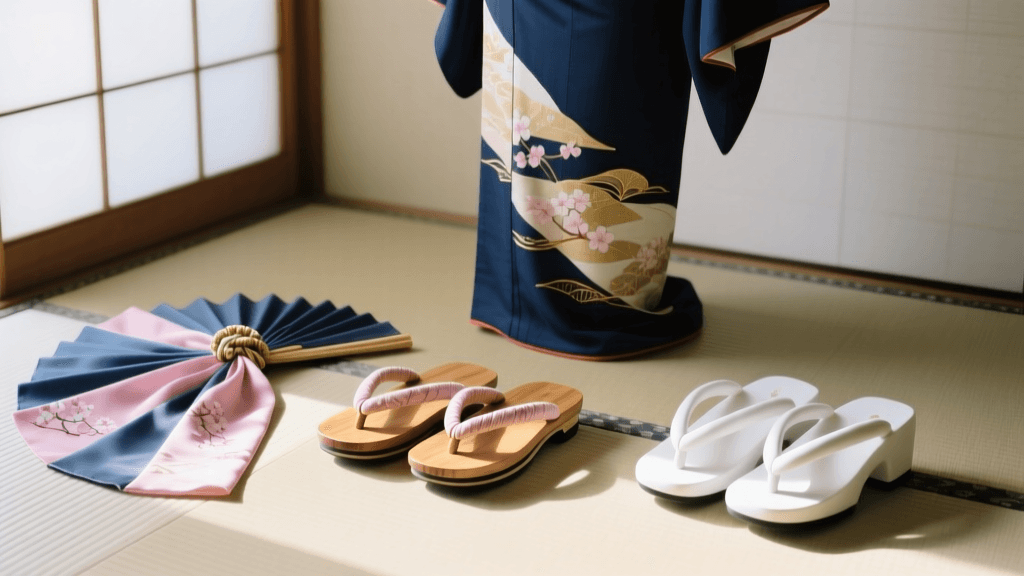
- Asagao (Morning Glory) and Uchiwa (Fans): Worn from June to August to represent the fleeting beauty of summer mornings and the physical act of cooling oneself.
- Hanabi (Fireworks): Often seen on lightweight cotton yukata worn to summer festivals (matsuri) in July and August.
Autumn (Aki): Harvest and Melancholy
- Momiji (Maple Leaves): Worn from October to November. Red and gold maple leaves symbolize the passage of time and the beauty of aging.
- Kiku (Chrysanthemum): The imperial flower, representing longevity and rejuvenation. While it is an auspicious year-round motif for formal wear, stylized autumnal chrysanthemums are worn in the fall.
- Susuki (Pampas Grass): Evokes the quiet, melancholic beauty of the autumn moon (tsukimi).
Winter (Fuyu): Endurance and Purity
- Shochikubai (Pine, Bamboo, and Plum): The ultimate auspicious trio. Pine represents longevity, bamboo represents resilience, and plum represents perseverance. Worn heavily in winter and during New Year celebrations.
- Yukiwa (Snow Rings): Stylized, geometric snowflakes that provide a crisp, wintery aesthetic without being overly literal.
Decoding Color Symbolism in Japanese Textiles
Color in Japanese textiles is historically tied to the Heian period's complex ranking systems and later Edo period sumptuary laws. As noted by The Metropolitan Museum of Art's Heilbrunn Timeline of Art History, the mastery of natural dyes allowed artisans to encode social status and spiritual protection directly into the threads of the garment. Today, color choices still dictate the formality and appropriateness of a kimono for specific life events.
| Color | Traditional Meaning | Best Occasion / Season | Avg. Vintage Silk Cost (USD) |
|---|---|---|---|
| Red (Aka) | Protection from evil, youth, vitality, and celebration. | Coming-of-Age Day, Weddings, Winter. | $150 - $450 |
| Indigo (Ai) | Purity, calmness, maturity, and the working class. | Summer festivals, casual wear, funerals (historically). | $80 - $250 |
| White (Shiro) | Purity, divinity, mourning, and new beginnings. | Traditional weddings (Shiromuku), funerals. | $200 - $600 |
| Purple (Murasaki) | Nobility, high rank, elegance, and spiritual depth. | Formal tea ceremonies, older married women. | $120 - $350 |
| Yellow (Ki) | Imperial authority, courage, and the sun. | Highly formal events, historically restricted. | $180 - $500 |
Beyond the Mainland: Ryukyuan Bingata and Ainu Attus
While the mainland kimono dominates global perceptions of Japanese dress, the archipelago's ethnic minorities and distinct kingdoms possess profoundly unique textile traditions that utilize motif and color in vastly different ways.
Ryukyuan Bingata: The Colors of the Okinawan Kingdom
In the Ryukyu Islands (modern-day Okinawa), the traditional resist-dyeing technique known as Bingata produces garments of staggering vibrancy. Unlike the subdued elegance favored by Edo-period samurai, Ryukyuan royalty and nobility used color to strictly denote class. Brilliant yellow was exclusively reserved for the king and his immediate family, while red and blue were designated for lower nobility. Motifs in Bingata do not follow the strict four-season rules of the mainland; instead, they celebrate the subtropical environment and Chinese cosmological influences. You will frequently see dragons, peonies, bats (symbolizing good fortune), and the native deigo flower woven into a single, chaotic, and beautiful composition.
Ainu Attus and Kaparamip: Spiritual Armor
The indigenous Ainu people of Hokkaido, Sakhalin, and the Kuril Islands approach garment decoration not merely as aesthetic expression, but as spiritual defense. Traditional Ainu garments, such as the Attus (woven from elm tree bark) and later cotton appliqué robes (Kaparamip), feature distinct, abstract geometric patterns. The most vital of these is the Moreu (thorn or bramble motif). According to Ainu spiritual beliefs, evil spirits travel in straight lines. The Moreu consists of continuous, curving, spiral patterns that are deliberately placed at the vulnerable openings of the garment: the collar, the cuffs, and the hem. These thorny labyrinths are designed to confuse and trap malevolent spirits before they can enter the wearer's body. The colors are typically derived from natural dyes: deep indigo blues, madder root reds, and stark black, contrasting sharply against white trade cotton.
Practical Guide: Sizing, Costs, and Coordination
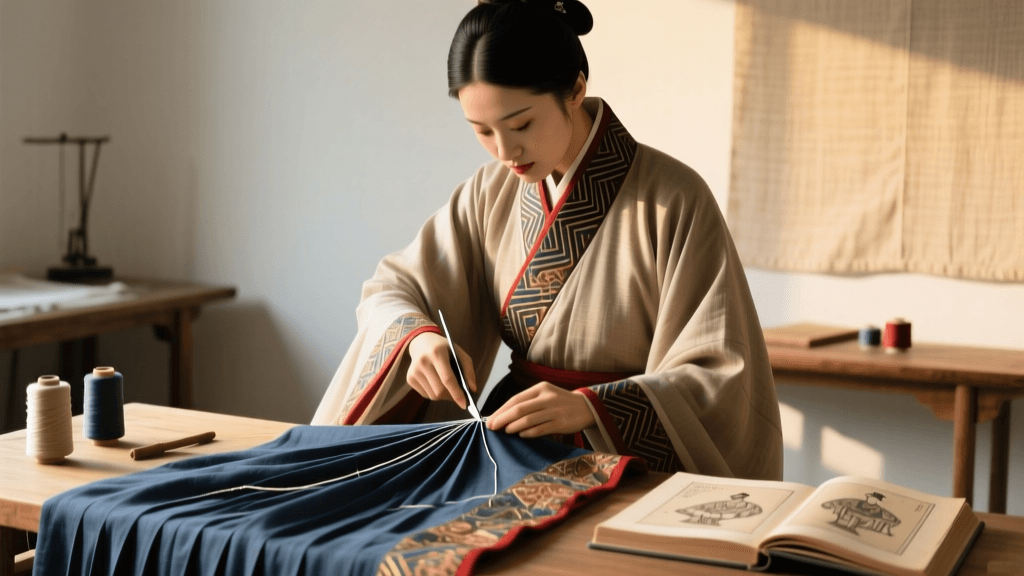
For those looking to purchase or rent a kimono, understanding the physical mechanics and market costs is just as important as knowing the symbolism. Kimono are not sized like Western clothing (S, M, L); they are tailored to specific body measurements and adjusted during the dressing process (kitsuke).
Key Measurements
- Yukitake (Sleeve Length): Measured from the center of the back of the neck, across the shoulder, down to the wrist bone. The standard modern female measurement is between 64cm and 68cm. If the yukitake is too short, the garment will look ill-fitted and restrict movement.
- Mitake (Body Length): Measured from the nape of the neck to the ankle. A standard kimono should be roughly equal to your height, allowing the excess fabric to be folded and tied at the waist with the obi (sash).
Acquisition Costs and Timing
If you are visiting cultural hubs like Kyoto or Kanazawa, renting is the most practical option for experiencing seasonal motifs firsthand. A standard tourist rental (often synthetic or casual silk yukata or komon) costs between 3,500 JPY and 6,000 JPY ($25 - $40 USD) and includes dressing services. For high-end silk rentals featuring authentic, seasonal houmongi (visiting wear), expect to pay upwards of 15,000 JPY ($100 USD).
For collectors, purchasing vintage silk kimono from specialized recycle shops in Tokyo (like those in Shimokitazawa or Asakusa) is highly recommended. You can find stunning, mid-century silk garments with hand-painted yuzen motifs ranging from 5,000 JPY to 30,000 JPY ($35 - $200 USD). However, always inspect the collar and underarm areas for discoloration, and ensure the yukitake matches your arm span.
'The kimono is not merely a covering for the body, but a reflection of the soul's harmony with the changing world. To wear the wrong season is to silence the poetry of the fabric.' — Traditional Kyoto Textile Proverb
Conclusion
Whether you are admiring the spiritual geometry of an Ainu Attus, the regal yellows of a Ryukyuan Bingata, or the delicate autumn maples on a mainland silk houmongi, understanding pattern and color symbolism transforms the way you view Japanese garments. As documented by institutions like The Metropolitan Museum of Art, these textiles are historical documents woven in silk, hemp, and cotton. By respecting the rules of kisetsukan and understanding the auspicious meanings behind the motifs, you participate in a living tradition that honors the profound connection between human life and the natural world.