Best Traditional Chinese Footwear 2026: Cloud Shoes & Boots
The Renaissance of Traditional Chinese Footwear in 2026
As we navigate the fashion landscape of 2026, the Xin Zhongshi (New Chinese Style) movement has evolved from a niche cultural revival into a dominant global aesthetic. While much attention has been paid to the flowing silhouettes of the Mamianqun (horse-face skirt) and the structured elegance of the Song dynasty-inspired Beizi, the foundation of any authentic traditional outfit lies in its footwear. Traditional Chinese footwear—ranging from the elegantly upturned Cloud Shoes to the robust, embroidered boots of the northern provinces—offers a masterclass in artisanal craftsmanship, symbolic embroidery, and functional design.
In 2026, contemporary designers and heritage artisans are collaborating to reimagine these historical silhouettes for modern streets. By integrating advanced ergonomic insoles, sustainable vegan silks, and weather-resistant treatments, today's traditional footwear is no longer reserved for cosplay or ceremonial events. It is a viable, comfortable, and striking choice for everyday wear. To understand the depth of this revival, one must look at the historical archives preserved by institutions like the Victoria and Albert Museum's Chinese Collections, which highlight the intricate textile work and regional variations that define Chinese shoemaking.
Understanding the Classics: Cloud Shoes, Boots, and Cloth Soles
Cloud Shoes (Yunxie / 云鞋)
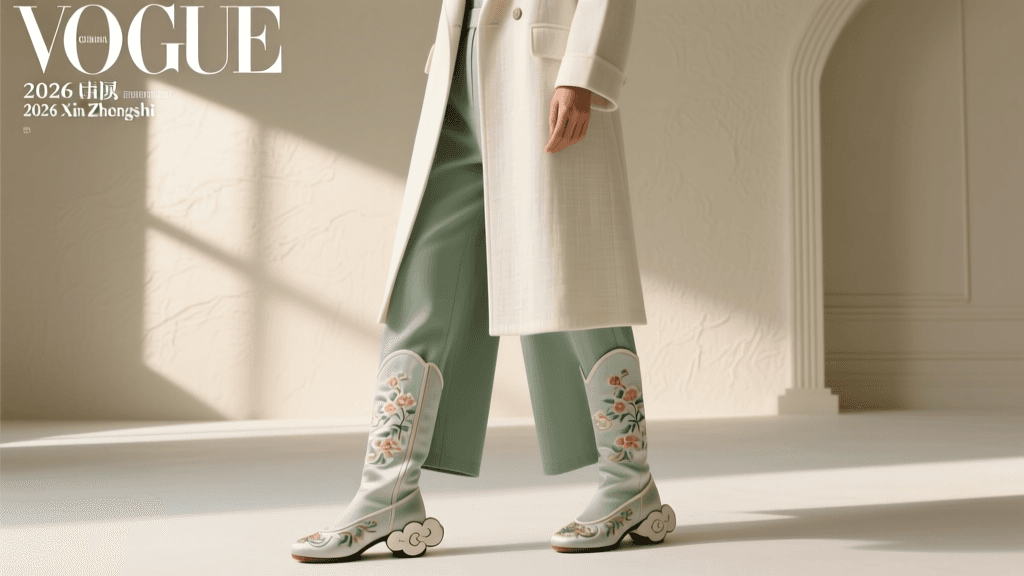
Cloud shoes are perhaps the most recognizable silhouette in Han Chinese footwear history. Characterized by their upturned, curled toes, these shoes were designed to mimic the shape of auspicious clouds, symbolizing a connection to the heavens, immortality, and good fortune. Historically crafted from silk or satin, the uppers were heavily embroidered with floral motifs, bats (symbolizing luck), or peonies (symbolizing wealth). In 2026, modern iterations of the Yunxie often feature a slightly softened toe curl to accommodate modern walking gaits, while retaining the exquisite silk embroidery that makes them a statement piece.
Traditional Boots (Xuezi / 靴子)
While cloud shoes dominated the southern and central plains, boots were essential in the northern regions and among the Manchu and Mongol populations. Traditional Xuezi feature thick, multi-layered soles and uppers made from heavy cotton, velvet, or leather. During the Qing dynasty, the 'flowerpot' shoe (huapenxie) became a highly stylized, platform-like boot worn by Manchu women, while Han men and martial artists favored flat-soled, ankle-high cloth boots that provided ankle support without restricting movement. Today's 2026 winter collections feature neo-traditional Xuezi lined with ethically sourced shearling and treated with modern waterproofing agents, making them perfect for cold-weather streetwear.
The Thousand-Layer Sole (Qiancengdi / 千层底)
The true engineering marvel of traditional Chinese footwear is the Qiancengdi, or 'thousand-layer sole.' This technique involves stacking dozens of layers of cotton cloth, pasting them together with natural flour glue, and stitching them tightly with hemp thread. The result is a sole that is breathable, shock-absorbent, and molds to the wearer's foot over time. Heritage brands continue to champion this technique, a craft deeply documented in the textile archives of the Metropolitan Museum of Art's Asian Art Department, which showcases the incredible durability and craftsmanship of historical Chinese garments and accessories.
2026 Buyer’s Guide: Heritage Makers vs. Neo-Traditional Brands
When shopping for traditional Chinese footwear in 2026, buyers generally choose between time-honored heritage brands and contemporary neo-traditional labels. Below is a comparison of the top options available this year, including current pricing and best use cases.
| Brand Type | Notable Maker | Best For | 2026 Price Range (USD) |
|---|---|---|---|
| Heritage Artisan | Neiliansheng (内联升) | Authentic Qiancengdi cloth shoes, formal events, historical accuracy. | $120 - $350 |
| Neo-Traditional | Zuczug (素然) | Everyday streetwear, ergonomic cloud shoes, modern minimalist embroidery. | $180 - $280 |
| Bespoke / Indie | Independent Taobao/Etsy Artisans | Custom silk embroidery, bridal footwear, cosplay, and theatrical boots. | $90 - $400 |
| Mass Market Fusion | Feiyue (Heritage Line) | Casual canvas shoes with traditional cloud-toe motifs, daily walking. | $45 - $85 |
How to Style Traditional Footwear for Modern Wardrobes
Integrating traditional footwear into a 2026 wardrobe requires balancing historical volume with modern proportions. The key to the Xin Zhongshi aesthetic is juxtaposition.
- The Mamianqun Pairing: The most popular styling choice in 2026 is pairing embroidered Cloud Shoes with a woven, mid-length Mamianqun. To prevent the outfit from looking like a historical costume, anchor the top half with a modern, oversized cashmere sweater or a structured leather blazer. The upturned toe of the shoe will peek out beautifully from beneath the pleated skirt panels.
- Denim and Boots: For a rugged, contemporary look, pair traditional velvet or canvas Xuezi (ankle boots) with wide-leg, raw-hem denim jeans. Cuff the jeans slightly to showcase the intricate side embroidery of the boot. This look bridges the gap between workwear and traditional Asian aesthetics.
- Summer Linens: Lightweight, unlined cloth shoes with floral embroidery pair exceptionally well with wide-leg linen trousers and a simple silk camisole, offering a breathable, elegant silhouette for warm weather.
Sizing, Fit, and Comfort in 2026
One of the historical challenges of traditional Chinese footwear was the narrow, flat last, which often caused discomfort for those with wider feet or high arches. In 2026, major manufacturers have updated their lasts to accommodate global foot shapes. When purchasing heritage cloth shoes, it is generally recommended to size up by half a size from your standard US/EU measurement, as the multi-layered cotton soles have zero lateral stretch. However, the natural fibers will compress and mold to your foot after approximately 20 hours of wear. For neo-traditional brands utilizing EVA or rubber composite soles disguised as cloth, standard true-to-size fitting applies.
Care and Maintenance of Silk and Embroidered Footwear
Authentic silk and satin footwear requires meticulous care to maintain its structural integrity and vibrant colors. Follow these maintenance steps to ensure your investment lasts for years:
- Dry Cleaning Only: Never submerge embroidered silk uppers in water. Use a soft-bristled horsehair brush to gently remove dust and dirt. For stubborn stains, consult a professional textile conservator or use a specialized dry-cleaning foam designed for delicate tapestries.
- Waterproofing: If you plan to wear your cloth-soled shoes outdoors, apply a nano-spray fabric protector. This will create a hydrophobic barrier that prevents the cotton Qiancengdi soles from absorbing puddle water, which can lead to mold and structural degradation.
- Storage: Store your footwear in a cool, dry place away from direct sunlight to prevent the silk threads from fading. Insert cedar shoe trees to absorb moisture and maintain the curved shape of the upturned toes. Avoid plastic bins, which can trap humidity; opt for breathable cotton dust bags instead.
By understanding the rich history and embracing the modern innovations of 2026, traditional Chinese footwear transforms from a museum artifact into a vibrant, living component of your daily style.