The Ultimate Guide to Kimono Accessories: Obi, Zori, and More

The Art of Kitsuke: Beyond the Kimono
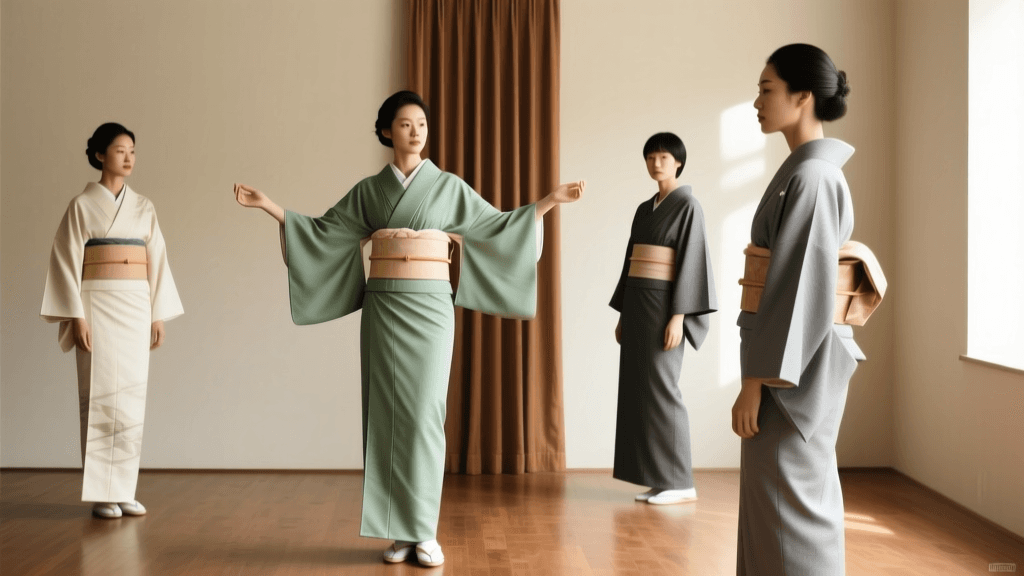
The art of kimono dressing, known as kitsuke, extends far beyond the main garment itself. While the kimono serves as the foundational canvas, it is the intricate world of obi, zori, and small accessories that truly dictate the formality, seasonality, and personal expression of the outfit. According to the Kyoto Costume Museum, the evolution of these accessories reflects centuries of shifting Japanese aesthetics, social hierarchies, and textile innovations. For modern enthusiasts and collectors, understanding how to properly select and coordinate these elements is essential for honoring the tradition of Japanese dress.
This comprehensive guide will walk you through the essential kimono accessories, providing actionable advice on measurements, formality rules, and seasonal coordination, ensuring your ensemble is both authentic and beautifully balanced.
The Obi: The Focal Point of Kimono Styling
The obi is the wide sash that secures the kimono. It is often the most expensive and visually striking component of the ensemble. Choosing the correct obi depends heavily on the formality of the kimono and the occasion.
Types of Obi and Measurements
- Fukuro Obi (Pouch Obi): The standard for formal and semi-formal wear. It typically measures 31 to 32 centimeters in width and 4.2 to 4.5 meters in length. Woven with intricate gold or silver threads, it is worn with garments like the homongi or iromuji.
- Nagoya Obi: Designed for smart-casual to semi-formal occasions, the Nagoya obi is pre-folded and stitched at one end to make tying easier. It measures about 30 centimeters wide and 3.6 meters long. It is the most versatile obi for daily tea ceremonies and outings.
- Hanhaba Obi (Half-Width Obi): Measuring only 15 centimeters in width, this is strictly for casual wear, such as yukata or everyday wool kimonos. It is easy to tie into playful knots like the bunko (bow) or karuta.
- Kaku Obi: A narrow, stiff obi traditionally worn by men or by women practicing martial arts and traditional dance. It measures roughly 10 centimeters wide and is tied in a simple, flat knot.
Tying the Knot
The knot, or musubi, carries its own formality. The nijuudaiko (double drum knot) is the standard for married women wearing formal Fukuro obi, while the otaiko (single drum knot) is common for Nagoya obi. Younger, unmarried women often wear the elaborate fukura-suzume (plump sparrow) knot for coming-of-age ceremonies.
Footwear: Zori, Geta, and Tabi
Footwear in Japanese tradition is strictly divided by formality and material. The Victoria and Albert Museum's Asian Collections frequently highlights how the craftsmanship of traditional footwear, from lacquered wood to woven tatami, represents a highly specialized artisanal guild system in historical Japan.
Zori vs. Geta
Zori are flat, slip-on sandals. Formal zori are covered in brocade, silk, or high-quality vinyl and feature a thick, elevated heel (known as okobo when worn by geisha or maiko). They are exclusively paired with formal kimono and white tabi. Geta, on the other hand, are wooden sandals with one or two elevated "teeth" (ha) on the bottom. They produce a distinctive clacking sound and are reserved for casual wear, such as yukata or everyday tsumugi silk kimonos.
The Hanao (Thongs)
The thongs of the sandals, called hanao, follow strict color rules. For formal zori, the hanao should ideally match the color of the obi or be a subtle metallic or white. For casual geta, vibrant, contrasting colors or patterned fabrics are encouraged to add a pop of personality.
Tabi: The Split-Toe Sock
Tabi are essential for almost all kimono styling. White cotton tabi are mandatory for formal events, weddings, and tea ceremonies. Colored or patterned tabi are acceptable for casual outings, while stretchy, polyester-blend tabi are favored by modern practitioners for their comfort and ease of washing. When wearing geta with a casual yukata in the summer, going barefoot is also historically acceptable.
Essential Small Accessories: Himo and Ornaments
Beneath and on top of the obi lies a complex system of ties and ornaments that secure the garment and add refined details.
- Obijime: A braided cord tied over the obi to secure the knot. Formal obijime are thick, round, and often feature metallic threads. Casual ones are flat, colorful, and made of matte silk or cotton.
- Obiage: A silk scarf-like cloth that peeks out from the top of the obi, used to hide the obi-makura (obi pillow). For formal wear, it is typically tied and tucked away discreetly. For casual wear, it can be tied in a visible, decorative knot at the front.
- Obidome: A small, decorative brooch threaded onto a thin obijime. Obidome are highly collectible and often feature seasonal motifs like carved coral, jade, or cloisonne enamel.
- Datejime and Koshihimo: These are the hidden heroes of kitsuke. Koshihimo are thin cotton or silk ties used to secure the kimono at the hips and chest before the obi is applied. Datejime is a wide, stiff under-belt that smooths out the fabric and prevents the obi from slipping.
Seasonality in Accessories
Japanese dress is deeply tied to the seasons. As noted by textile experts at The Metropolitan Museum of Art's Asian Art Department, the shifting of motifs and materials according to the calendar is a hallmark of Japanese aesthetic philosophy.
- Spring: Cherry blossom (sakura) motifs on obiage, pastel-colored obijime, and light leather zori.
- Summer: Obi made of sheer ro or sha silk. Accessories shift to cooling materials like glass or bamboo obidome, and woven rattan zori.
- Autumn: Rich tones of maple leaves and chrysanthemums. Velvet or thick braided silk obijime replace sheer summer cords.
- Winter: Heavy brocade obi, warm wool or velvet obijime, and zori with plush or leather coverings to withstand the cold.
Formality Chart: Matching Accessories to Kimono Types
Use this quick-reference table to ensure your accessories align with the formality of your kimono.
| Formality Level | Kimono Example | Obi Type | Footwear | Tabi & Cords |
|---|---|---|---|---|
| High Formal | Kurotomesode, Furisode | Maru or Fukuro Obi | Brocade Zori | White Tabi, Metallic Obijime |
| Semi-Formal | Homongi, Iromuji | Fukuro or Dressy Nagoya | Leather or Brocade Zori | White Tabi, Silk Obijime |
| Smart Casual | Tsumugi, Edo Komon | Nagoya Obi | Casual Zori or Geta | White/Patterned Tabi, Matte Cords |
| Casual | Yukata, Wool Kimono | Hanhaba Obi | Wooden Geta | Barefoot or Colored Tabi |
Practical Tips for Buying and Caring for Accessories
Sourcing Vintage vs. New
Building a kimono wardrobe can be expensive if purchasing exclusively new. A brand-new, hand-woven silk Fukuro obi can easily cost between $800 and $3,000. However, the vintage market offers incredible value. Recycled kimono shops, known as tansu-ya or reuse shops in Japan, and specialized online vendors offer vintage Nagoya and Hanhaba obi in excellent condition for $30 to $150. When buying vintage, always check for shimi (age spots) and ensure the lining of the zori is not peeling or sticky, a common issue with aging vinyl.
Storage and Organization
Proper storage is vital to preserve silk and prevent mold. Never store silk obi or obiage in plastic bags, as trapped moisture will lead to mildew. Instead, wrap them in tatou-gami (traditional breathable washi paper) or clean, unbleached cotton sheets. Store them in a cool, dark place, ideally in a cedar chest or a dedicated drawer with silica gel packets to control humidity. For zori and geta, stuff the toe area with acid-free tissue paper to help the hanao retain their shape, and store them upright in a well-ventilated shoe rack.
Conclusion
Mastering kimono accessories is a lifelong journey of aesthetic discovery. By understanding the precise measurements, formality rules, and seasonal nuances of obi, zori, and the delicate ties that bind them together, you elevate your practice of kitsuke from mere clothing to a profound expression of Asian cultural heritage. Whether you are sourcing a vintage Nagoya obi or selecting the perfect glass obidome for a summer festival, every choice weaves you deeper into the rich tapestry of Japanese tradition.