Kimono Styling Guide: Flattering Fits For Every Body And Gender
The Evolution of Inclusive Kimono Fashion
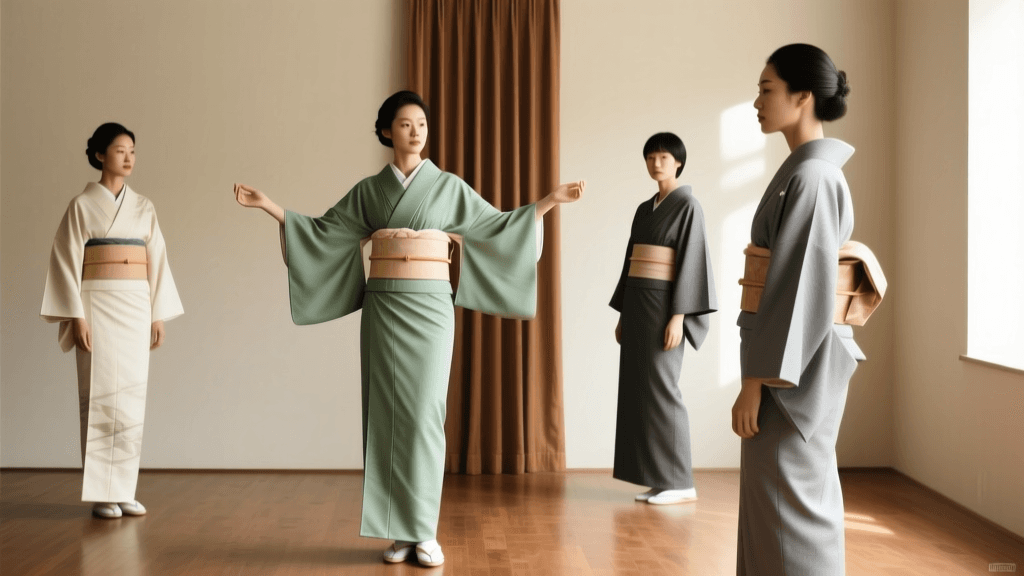
The traditional Japanese kimono is often misunderstood by international observers as a rigid, one-size-fits-all garment reserved for specific body types or strict gender binaries. In reality, the kimono is a masterpiece of flat-pattern cutting that offers remarkable versatility. Because the garment is constructed from straight seams and wrapped around the body rather than tailored to a pre-existing three-dimensional form, it can be adapted to flatter virtually any silhouette. Today, a modern renaissance in kimono fashion is breaking down historical barriers, making this iconic garment more accessible, gender-inclusive, and body-positive than ever before.
According to The Metropolitan Museum of Art, the kimono's T-shaped, straight-seamed construction was historically designed to be wrapped and adjusted on the body. This foundational architecture means that the fit is determined not by the cut of the fabric, but by the wrapping technique, the placement of the obi (sash), and the strategic use of undergarments. Whether you are visiting Kyoto for a cultural immersion experience or looking to incorporate traditional Japanese textiles into your modern wardrobe, understanding how to manipulate these elements is the key to achieving a flawless, personalized fit.
Understanding Kimono Measurements and Sizing
Unlike Western clothing, which relies on standardized S/M/L sizing or specific bust-waist-hip ratios, kimono sizing is primarily based on height and arm span. When renting or purchasing a kimono, you will encounter two critical measurements:
- Mitake (Back Length): The length of the kimono from the base of the neck to the hem. This determines how much fabric is available for the ohashori (the waist fold).
- Yuki (Sleeve Span): The measurement from the center of the back of the neck, across the shoulder, and down to the wrist. This ensures the sleeves drape elegantly without pulling at the shoulders.
For the best fit, dressers use a variety of tools, including koshi-himo (thin waist ties), datejime (wide under-belts), and korin-belts (elastic clips that secure the collar). Below is a general guide to help you understand standard kimono proportions based on different body types.
| Body Type | Recommended Mitake (Back Length) | Recommended Yuki (Sleeve Span) | Obi Width Suggestion |
|---|---|---|---|
| Petite (Under 155cm) | 120cm - 125cm | 60cm - 63cm | Hoso-obi (Narrow) or Hanhaba-obi |
| Average (155cm - 165cm) | 125cm - 135cm | 63cm - 66cm | Standard Fukuro-obi or Nagoya-obi |
| Tall (Over 165cm) | 135cm - 145cm+ | 66cm - 70cm+ | Wide Fukuro or Maru-obi |
| Plus-Size / Broad | Custom Wrap (Okumi adjustment) | 66cm - 70cm+ | Structured Heko-obi or Wide Fukuro |
Styling Kimono for Different Body Types
Petite Frames
For individuals with petite frames, the primary challenge is managing excess fabric length. The ohashori—the horizontal fold of fabric tucked at the waist beneath the obi—should ideally be about 5 to 7 centimeters wide. If the kimono is too long, the fold becomes bulky and disrupts the silhouette. To solve this, professional dressers often use the tsumamami technique, pinning the excess fabric higher up on the torso before securing it with the datejime. Petite wearers should also opt for narrower obi styles, such as the hanhaba-obi, and choose vertical patterns or smaller, delicate motifs to elongate the figure visually.
Plus-Size and Curvy Figures
The traditional kimono silhouette is famously cylindrical, designed to create a smooth, tubular shape that allows the beauty of the textile to take center stage. For curvy or plus-size figures, achieving this shape requires strategic undergarments. A sarashi (a long, narrow cotton cloth) is wrapped tightly around the bust and hips to smooth the silhouette and provide a secure foundation for the heavy obi. When wrapping the front panels, the okumi (the overlapping front edge) must be pulled taut and anchored deeply on the side seam to prevent the garment from pulling open at the chest or hips. Darker background colors with strategically placed, asymmetrical patterns can also create a highly flattering, slimming effect.
Tall and Broad-Shouldered Builds
Finding vintage kimono for tall individuals can be difficult, as the average height in Japan during the Showa era was significantly lower than it is today. A kimono that is too short will result in an inadequate ohashori, making the garment look ill-fitted and restricting leg movement. Tall wearers should seek out modern, custom-tailored shitate or purchase from contemporary brands that offer extended lengths. For broad shoulders, ensuring an accurate yuki measurement is vital; if the sleeve span is too short, the collar will pull tightly against the back of the neck, causing discomfort. Bold, large-scale geometric patterns and wide, dramatic obi knots, such as the taiko-musubi, beautifully complement taller, broader frames.
Gender-Inclusive and Non-Binary Kimono Styling
The strict binary of joseimono (women's kimono) and danseimono (men's kimono) is a relatively modern construct. Historically, the lines between menswear and womenswear in Japan were far more fluid. The Victoria and Albert Museum notes that during the Edo period, certain patterns, colors, and even garment structures like the kosode were shared across genders, with social class and occasion dictating dress more than gender.
Today, the 'Genderless Kimono' movement is thriving in fashion hubs like Harajuku and Kyoto. Non-binary and gender-fluid styling often involves mixing traditional elements in unconventional ways. For example, individuals might pair a vibrant, floral-patterned kimono (traditionally feminine) with a structured, dark haori jacket and hakama (traditionally masculine). The hakama, a pleated trouser-skirt, is an inherently unisex garment with roots in Heian-period court attire, and it provides a comfortable, flowing alternative to the restrictive obi for people of all gender identities. Modern accessories, such as leather boots, minimalist silver jewelry, and contemporary obijime (decorative cords), are frequently used to strip away gendered expectations and create a deeply personal, avant-garde aesthetic.
Practical Tips for Rental and Purchasing
If you are planning a kimono rental experience in Japan, preparation is key to ensuring a comfortable and inclusive fitting process. According to the Japan National Tourism Organization (JNTO), kimono rental is one of the most popular cultural activities for international visitors, but not all shops carry extended sizing or gender-neutral options.
- Timing: Allocate at least 60 to 90 minutes for the entire process, including hair styling and dressing. The physical wrapping process alone takes 30 to 45 minutes.
- Costs: Standard rental packages in Kyoto or Asakusa (Tokyo) typically range from 4,000 JPY to 6,000 JPY ($25 to $40 USD). Premium packages, which include custom tailoring, extended sizing, or high-end silk garments, can cost between 8,000 JPY and 15,000 JPY ($55 to $100 USD).
- Communication: When booking, explicitly state your height, shoulder width, and bust/waist measurements. Ask if the shop provides sarashi for bust support and if they stock wider obi options for larger body types.
- Footwear: Rental shops provide zori (sandals) and tabi (split-toe socks). If you have larger feet or require orthotic support, inquire about bringing your own comfortable, neutral-colored slip-on shoes, as many modern stylists embrace this practical crossover.
'The true beauty of the kimono lies not in forcing the body to conform to the fabric, but in manipulating the fabric to honor the unique architecture of the body wearing it.' — Master Kimono Dresser, Kyoto.
Conclusion
The kimono is a living, breathing garment that continues to evolve alongside the people who wear it. By understanding the mechanics of flat-pattern wrapping, utilizing the correct undergarments, and embracing a gender-inclusive mindset, anyone can experience the elegance and cultural richness of traditional Japanese dress. Whether you are a petite traveler exploring the shrines of Higashiyama, a plus-size fashion enthusiast experimenting with bold Edo-period motifs, or a non-binary creative redefining the boundaries of the hakama, the kimono offers a canvas for boundless self-expression. Approach your next dressing experience with confidence, knowing that this centuries-old garment was designed to adapt to you.