Everyday Komon vs Ceremonial Furisode Kimono: 2026 Guide
Introduction to Japanese Kimono Classifications in 2026
The Japanese kimono is a masterclass in textile engineering, cultural symbolism, and sartorial elegance. However, navigating the strict rules of kimono classification can be daunting for modern enthusiasts and international collectors. In 2026, the Japanese textile industry has beautifully balanced centuries-old traditions with contemporary lifestyle needs, making traditional garments more accessible than ever. According to the Metropolitan Museum of Art's Heilbrunn Timeline of Art History, the evolution of the kimono from the Edo period to the modern day reflects deep societal shifts, particularly in how garments denote age, marital status, and occasion.
For today's wearer, the most critical distinction lies between everyday casual wear and high-level formal attire. Specifically, the Komon (everyday patterned kimono) and the Furisode (swinging-sleeve ceremonial kimono) represent two entirely different ends of the sartorial spectrum. Whether you are planning a trip to Kyoto's Gion district, attending a traditional tea ceremony, or investing in a high-grade silk piece for a wedding, understanding the construction, cost, and styling of these two garments is essential for 2026.
The Everyday Komon: Casual Elegance for Modern Life
Fabric, Motifs, and 2026 Styling Trends
The term Komon translates to 'fine pattern.' This classification is defined by its repeating motifs that cover the entire garment without a distinct directional flow or large, asymmetrical crests (mon). Because the patterns are continuous and relatively understated, the Komon is classified as casual, everyday wear. It is the kimono equivalent of a stylish day dress or a smart-casual suit.
In 2026, the Komon market has seen a massive surge in innovative, washable textiles. While traditional tsumugi (woven raw silk) and cotton remain popular for summer and autumn, modern washable polyester-silk blends have revolutionized everyday kimono wear. These 2026 'wash-and-wear' Komon garments allow enthusiasts to enjoy the drape and aesthetic of silk without the anxiety of rain or spills. Styling-wise, modern wearers are pairing Komon with contrasting, brightly colored hanhaba obi (half-width sashes) and lace obijime (decorative cords) to create a personalized, contemporary look that respects traditional silhouettes.
Pricing and Where to Buy in 2026
The barrier to entry for a Komon is remarkably low. If you are shopping in Tokyo's Otsuka second-hand markets or Kyoto's Shijo-dori vintage boutiques in 2026, you can easily find authentic, pre-loved silk Komon for between $40 and $120 USD. For brand-new, washable polyester Komon sets (which often include a matching casual obi), retail prices from modern Japanese brands range from $150 to $280 USD. This affordability makes the Komon the perfect starting point for anyone building a traditional Asian garment wardrobe.
The Ceremonial Furisode: Unmarried Women's Formal Wear
Construction, Sleeve Lengths, and Silk Care
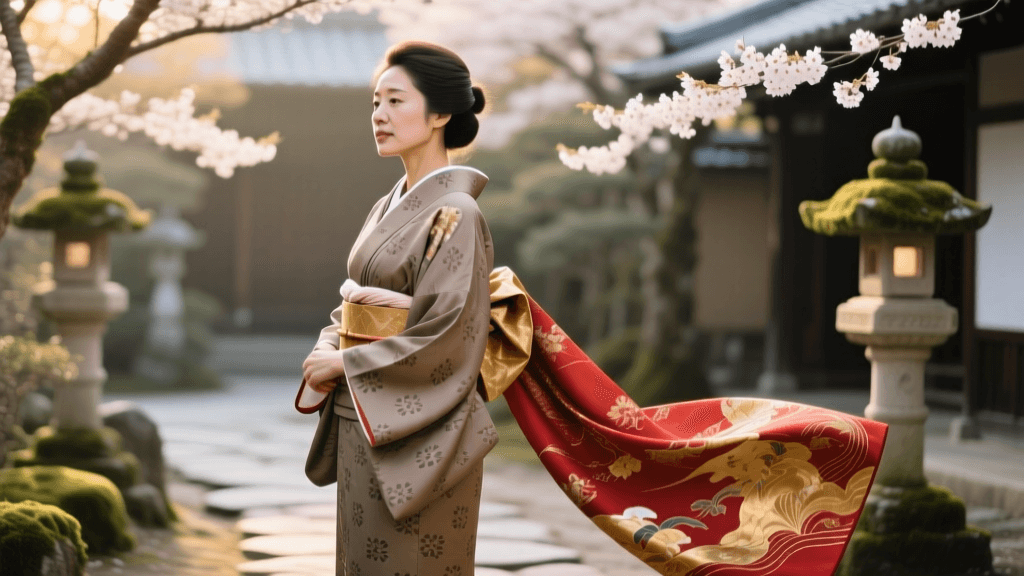
At the absolute pinnacle of the kimono hierarchy for unmarried women is the Furisode, which translates to 'swinging sleeve.' As noted by the Victoria and Albert Museum's comprehensive guide to Kimono, the dramatic, elongated sleeves of the Furisode are a hallmark of formal Japanese ceremonial dress, historically designed to catch the eye and signify youth and availability for marriage. Today, it is the undisputed garment of choice for Seijin no Hi (Coming of Age Day), university graduation ceremonies, and attending weddings as a guest.
Furisode are categorized by their sleeve drop (sode) length:
- Kofurisode (Short): Sleeves measure approximately 75 cm to 85 cm. Often worn for slightly less formal events or by younger teens.
- Chufurisode (Medium): Sleeves measure around 90 cm to 95 cm. This is the most common and versatile length rented in 2026 for graduation ceremonies.
- Ohfurisode (Long): Sleeves measure a dramatic 105 cm to 114 cm, sometimes brushing the floor. Reserved for the highest level of formality, such as a bride's wedding reception or a major shrine ceremony.
Unlike the Komon, a true Furisode is almost exclusively crafted from high-grade habutai or chirimen (crepe) silk, featuring luxurious Yuzen resist-dyeing, intricate gold leaf application (surihaku), and elaborate embroidery. The motifs are large, asymmetrical, and often flow across the back seams, featuring auspicious symbols like cranes, pine trees, or flowing water.
2026 Rental vs. Purchase Costs
Due to the astronomical cost of materials and the highly specialized labor required for Yuzen dyeing, purchasing a brand-new, custom-tailored Ohfurisode in 2026 is a major investment. Prices typically start at $3,500 USD and can easily exceed $10,000 USD for pieces featuring master-artisan embroidery and gold thread. Consequently, the 2026 rental market is booming. Renting a complete Furisode package (including the kimono, formal obi, undergarments, and professional dressing service known as kitsuke) at a premium Kyoto or Tokyo salon costs between $250 and $450 USD for the day.
Direct Comparison: Komon vs. Furisode
To help you decide which garment fits your 2026 itinerary or collection goals, refer to the detailed comparison chart below:
| Feature | Everyday Komon | Ceremonial Furisode |
|---|---|---|
| Formality Level | Casual / Everyday | Highest Formal (Unmarried Women) |
| Sleeve Length (Sode) | Standard (49 cm - 52 cm) | Elongated (75 cm - 114 cm) |
| Primary Fabrics (2026) | Washable Poly-blends, Cotton, Tsumugi Silk | Heavy Chirimen Silk, Habutai Silk |
| Pattern Style | Small, repeating, continuous motifs | Large, asymmetrical, flowing pictorial scenes |
| Paired Obi Type | Hanhaba Obi (Half-width, casual) | Fukuro Obi (Brocade, formal, 31cm width) |
| 2026 Avg. Purchase Cost | $150 - $280 USD (New Poly/Silk) | $3,500 - $10,000+ USD (Custom Silk) |
| Ideal Footwear | Geta (Wooden clogs) or casual Zori | Formal Zori (Brocade/Vinyl) with Tabi socks |
Essential Accessories and Footwear
A kimono is never worn alone; it is a layered system of accessories that dictate the final formality of the outfit. For the Komon, the styling is intentionally relaxed. In 2026, it is highly fashionable to pair a subdued Komon with a vibrant, reversible hanhaba obi. Because the hanhaba is only 15 cm wide, it is tied in simple, playful knots like the bunko (bow knot) or karuta (playing card knot). Footwear typically consists of geta (elevated wooden sandals) for a traditional summer feel, or flat, fabric-topped casual zori.
Conversely, the Furisode demands strict adherence to formal accessories. The garment must be paired with a fukuro obi—a heavy, intricately woven brocade sash measuring 31 cm in width. Tying a fukuro obi into a formal taiko or elaborate fukura-suzume (puffed sparrow) knot requires significant skill and often the help of a professional dresser. Footwear is strictly limited to formal zori made of brocade or high-gloss vinyl, always worn with pristine white cotton tabi (split-toe socks). Mixing casual geta with a Furisode is considered a major sartorial faux pas in Japanese culture.
Care and Maintenance for 2026 Garments
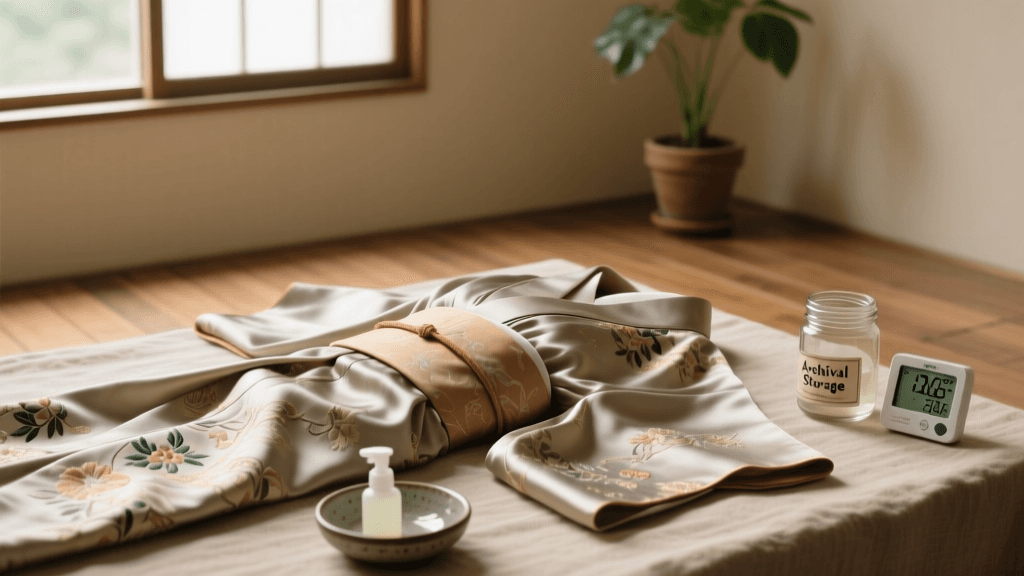
The maintenance routines for these two garments reflect their material differences. The modern washable Komon is a triumph of 2026 textile engineering. These garments can be hand-washed in cold water with a neutral pH detergent, gently pressed, and air-dried on a specialized kimono hanger (ikosho) to maintain their straight seams. This low-maintenance aspect is exactly why the Komon has seen a resurgence among younger demographics and international fans who lack access to specialized dry cleaners.
Silk Furisode, however, require meticulous, professional care. They must never be exposed to water, as it will permanently stain the silk and ruin the Yuzen dye. In 2026, top-tier kimono salons in Japan utilize advanced ozone-cleaning chambers to remove odors and sanitize the silk without the use of harsh chemicals or water. After wearing, a Furisode must be aired out for 24 hours in a shaded, well-ventilated room before being folded along its precise, original crease lines and stored in a breathable tatoushi (paper wrapper) with natural camphor to deter insects.
Conclusion
Whether you are drawn to the accessible, everyday charm of the Komon or the breathtaking, ceremonial grandeur of the Furisode, both garments offer a profound connection to Asian textile traditions. In 2026, the kimono is not a relic of the past; it is a living, breathing art form that continues to adapt to modern life while fiercely protecting its ceremonial roots. By understanding the distinct boundaries of sleeve length, fabric choice, and accessory pairing, you can wear these magnificent garments with confidence, respect, and impeccable style.