Kimono Textile Trade Routes: A 2026 Collector Guide
The Global Threads: How Trade Routes Shaped the Kimono
The kimono is globally celebrated as the quintessential symbol of Japanese culture, often perceived through a lens of insular tradition and domestic craftsmanship. However, the true narrative of the kimono is one of vibrant global exchange, international diplomacy, and centuries of historical imports. As we navigate the antique textile market in 2026, understanding the provenance of imported materials is more critical than ever for collectors, curators, and fashion historians. From the overland caravans of the Silk Road to the galleons of the Dutch East India Company, the threads of the kimono tell a profound story of global interconnectedness. According to the Victoria and Albert Museum's exploration of the kimono, the garment has always been a canvas for international influences, absorbing foreign aesthetics and adapting them into distinctly Japanese sartorial expressions.
Overland Caravans: The Silk Road and Early Brocades
Long before the maritime empires of Europe established direct trade with Japan, the overland Silk Road facilitated a slow but steady trickle of luxury textiles into the Japanese archipelago. The UNESCO Silk Roads Programme highlights how these ancient networks connected East Asia with Persia, India, and the Mediterranean. Chinese and Persian motifs, particularly the intricate geometric patterns known as shokko and the elaborate polychrome silk weaves called nishiki (brocade), were highly prized by the Japanese imperial court during the Nara and Heian periods (710–1185).
The Shosoin repository in Nara, which houses the 8th-century treasures of Emperor Shomu, contains some of the most pristine examples of these early trade imports. Persian roundels featuring confronting animals, peacocks, and floral medallions were woven into silk in China and subsequently exported to Japan. These imported brocades were not typically used for everyday garments; rather, they were reserved for Buddhist temple furnishings, imperial court rituals, and the highest echelons of aristocratic dress. Today, fragments of these early Silk Road textiles are incredibly rare, commanding premium valuations in the 2026 museum acquisition market.
The Maritime Silk Road: Sarasa Chintz and the VOC
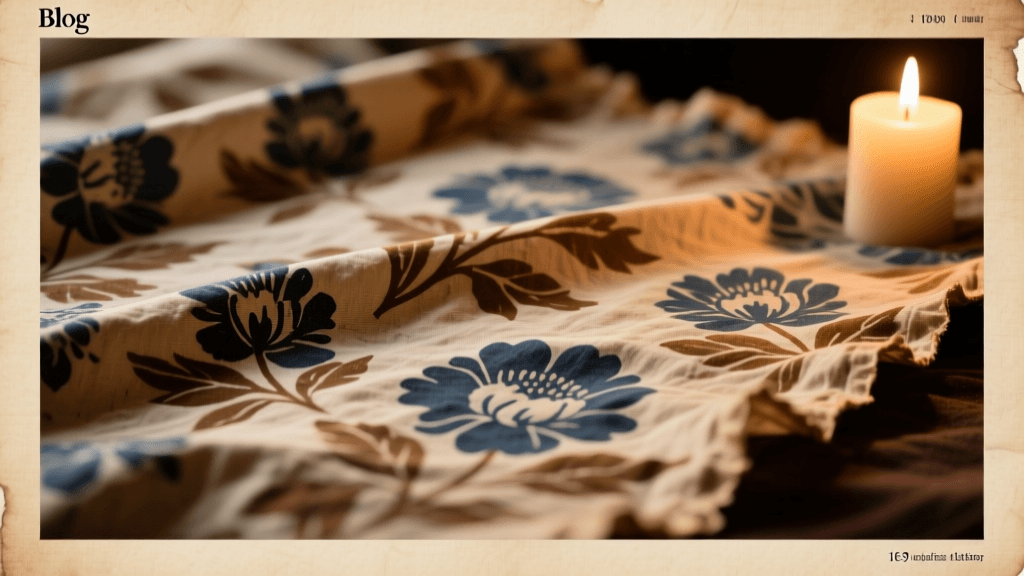
While the overland routes brought Central Asian and Chinese influences, the Maritime Silk Road fundamentally transformed the aesthetic vocabulary of the kimono during the Edo period (1603–1867). The arrival of Portuguese traders in the 16th century, followed by the Dutch East India Company (VOC), introduced Japan to Indian Coromandel coast chintz, known in Japan as sarasa. These vibrant, colorfast cotton textiles featured intricate floral and geometric patterns applied through complex mordant-dyeing and resist-printing techniques that Japanese artisans had not yet mastered.
Because the Tokugawa shogunate strictly limited foreign trade to the artificial island of Dejima in Nagasaki, imported sarasa was exceptionally rare and expensive. It was rarely used for full-length kimono. Instead, it was meticulously cut and repurposed for obi (sashes), the linings of haori (jackets), and small pouches. In the context of the Japanese tea ceremony (chanoyu), sarasa became highly sought after for crafting shifuku (protective pouches for tea bowls). The juxtaposition of the exotic Indian cotton against the rustic, wabi-sabi aesthetics of the tea room created a dynamic visual tension that remains highly prized by tea practitioners and textile collectors in 2026.
The Meiji Revolution: Imported Dyes and Global Velvet
The opening of Japan in the late 19th century and the subsequent Meiji Restoration (1868–1912) unleashed a flood of imported materials that revolutionized kimono production. The most significant import was not a fabric, but a chemical one: synthetic aniline dyes from Europe. Before this, Japanese dyers relied on natural botanical sources like indigo, madder, and safflower, which were prone to fading and required immense labor. Imported aniline reds and purples allowed for the creation of the vivid, eye-catching meisen silk kimono that dominated the Taisho and early Showa eras.
Simultaneously, European velvet, known in Japan as birodo, became a luxury import favored by the newly wealthy merchant class. Artisans began applying traditional yuzen (resist-dyeing) and shibori (tie-dyeing) techniques to imported velvet, creating sumptuous, light-absorbing garments that blended Western materiality with Japanese surface design. The Metropolitan Museum of Art's timeline of Japanese textiles notes that this era of rapid modernization resulted in a fascinating hybridization of techniques, where global imports were thoroughly Japanized through domestic craftsmanship.
2026 Market Valuations and Rarity Index
As we move through 2026, the antique textile market has seen a surge in interest regarding garments with verifiable imported materials. Collectors are increasingly looking beyond the standard silk crepe yuzen kimono, seeking out pieces that tell a story of global trade. Below is a structured overview of the current market dynamics for historically imported kimono textiles.
| Textile Type | Origin / Trade Route | 2026 Avg Market Price (USD) | Rarity Index (1-10) | Key Identifying Feature |
|---|---|---|---|---|
| Edo-period Sarasa Obi | India via Dutch VOC | $4,500 - $8,200 | 9 | Distinctive madder-red floral motifs, stiff cotton hand-feel |
| Meiji Aniline-Dyed Meisen | Europe via Maritime Trade | $350 - $800 | 4 | Bright, unfaded synthetic purples and reds, kasuri weave |
| Nara-period Shokko Brocade | China/Persia via Silk Road | $15,000+ (Fragments) | 10 | Geometric roundels, metallic thread degradation |
| Taisho-era Yuzen Velvet | Europe (Lyon/UK) | $1,200 - $3,000 | 7 | Deep pile texture, resist-dyed floral patterns, heavy drape |
Advanced Preservation Techniques for 2026 Collectors
Preserving these historically significant, imported textiles requires a nuanced understanding of their unique material properties. Indian cotton sarasa reacts differently to humidity than European velvet or synthetic-dyed Japanese silk. In 2026, the standard for high-end textile preservation has evolved far beyond simple cedar closets. The traditional kiribako (paulownia wood box) remains the gold standard for buffering rapid humidity changes, but modern collectors are augmenting these with smart technology.
Today, the integration of IoT (Internet of Things) micro-sensors inside storage boxes allows collectors to monitor temperature, relative humidity, and volatile organic compound (VOC) levels via smartphone applications. For imported aniline-dyed textiles, which are notoriously susceptible to photodegradation and acidic deterioration, maintaining a strict relative humidity of 50% (±5%) and a temperature below 68°F (20°C) is critical. Furthermore, when displaying these garments, collectors in 2026 are utilizing museum-grade, UV-filtering acrylic glazing that blocks 99.9% of ultraviolet light, ensuring that the vibrant imported dyes do not fade under ambient room lighting.
Authentication and Sourcing in the Modern Era
Authentication of historical imports has also seen a technological renaissance. While experienced dealers can often identify Edo-period sarasa by the distinctive slant of the warp threads and the specific smell of aged madder dye, definitive provenance now relies on non-invasive scientific analysis. Portable X-ray fluorescence (pXRF) and AI-driven Raman spectrometry allow appraisers to identify the exact chemical composition of dyes and mordants without taking destructive fiber samples. If a textile purported to be from the 17th century contains traces of synthetic alizarin (invented in 1869), it is immediately flagged as a later reproduction.
For collectors looking to source authentic pieces in 2026, specialized auction houses in Kyoto, London, and New York remain the safest venues, as they increasingly provide spectrometry reports alongside traditional condition reports. Estate sales and specialized online forums also yield hidden gems, but they require a discerning eye and a deep understanding of the historical trade routes that brought these magnificent textiles to Japan.
Conclusion
Ultimately, the kimono is not merely a static relic of a closed island nation; it is a dynamic archive of global history. Every stitch of imported sarasa, every thread of Persian-inspired brocade, and every vibrant hue of European aniline dye represents a moment of cultural intersection. By understanding and preserving these historical imports, collectors in 2026 do more than protect beautiful garments—they safeguard the tangible legacy of the ancient trade routes that wove the world together.