Authentic Hanfu Shopping 2026: Sourcing Mamianqun Online
The Global Hanfu Boom and the Mamianqun Renaissance
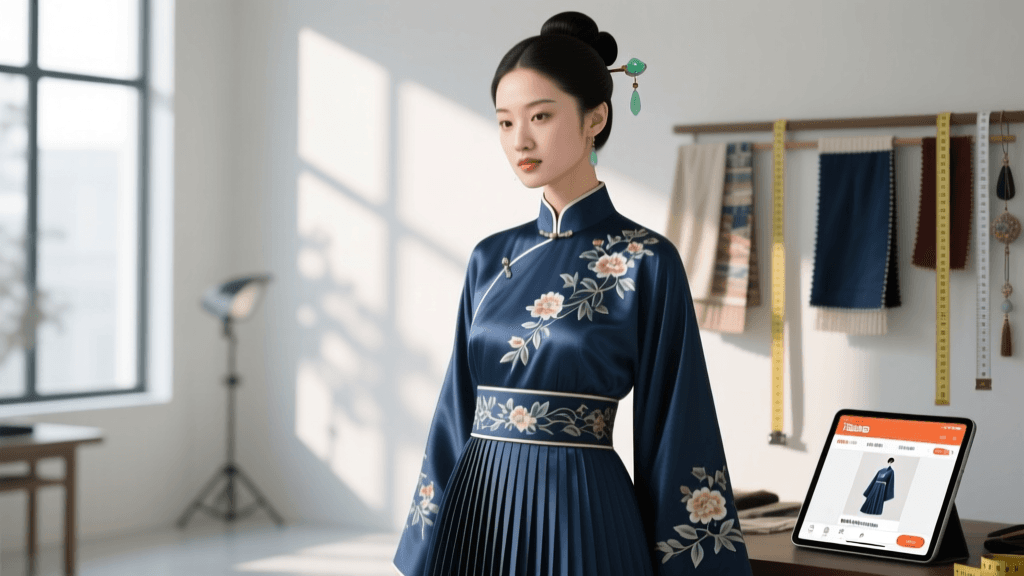
As we navigate the fashion landscape of 2026, the Hanfu movement has evolved from a niche historical reenactment hobby into a mainstream global sartorial phenomenon. At the very center of this renaissance is the Mamianqun (马面裙), or 'horse-face skirt.' Characterized by its flat front and back panels with intricately pleated sides, the Mamianqun has transcended traditional ceremonial wear to become a versatile staple in modern wardrobes worldwide. However, the explosion in demand has also led to a saturated online marketplace, making it increasingly difficult for international buyers to distinguish between high-quality, culturally respectful garments and cheap, mass-produced knockoffs.
For enthusiasts and newcomers alike, understanding the nuances of Asian traditional garment shopping is essential. Sourcing an authentic Mamianqun requires navigating Chinese e-commerce giants like Taobao and Tmall, understanding specialized terminology, and utilizing cross-border logistics. This comprehensive 2026 guide will equip you with the actionable knowledge needed to build an authentic, high-quality Hanfu wardrobe.
Understanding the Historical and Cultural Weight
Before adding items to your digital cart, it is crucial to appreciate the garment you are purchasing. The Mamianqun traces its structural origins back to the Song and Ming dynasties, designed originally to allow ease of movement for horseback riding while maintaining a dignified, structured silhouette when standing. The intricate woven patterns often feature auspicious motifs such as dragons, phoenixes, lotus flowers, and cloud patterns. To truly understand the historical evolution of these pleated structures and woven textiles, scholars and enthusiasts frequently consult the Metropolitan Museum of Art's Asian Art Department, which houses some of the most well-preserved Ming dynasty textiles in the world. Recognizing the historical accuracy of a pattern is the first step in identifying a premium, authentic garment.
The 'Zhengtu' vs. 'Shan' Dilemma: Avoiding Knockoffs
The most critical challenge in the 2026 Hanfu market is the prevalence of 'Hanshang' (plagiarism). The community strictly divides merchants into two categories: Zhengtu (original, authentic designers) and Shan (knockoff or stolen-design sellers).
Original merchants invest thousands of hours into historical research, pattern drafting, and custom fabric weaving. Knockoff sellers simply purchase an original skirt, reverse-engineer the pattern, and mass-produce it using inferior, non-breathable synthetic fabrics and poorly heat-set pleats. Buying 'Shan' not only results in a garment that loses its pleats after one wash, but it also financially harms the original designers who keep the tradition alive.
How to Spot a 'Shan' (Knockoff) Store on Taobao
- Price Discrepancies: An authentic, woven jacquard Mamianqun from a reputable Zhengtu brand (like Shisanyu, Zhongling, or Minghuatang) typically costs between 250 RMB and 800 RMB ($35 to $115 USD). If you see a visually identical skirt selling for 50 RMB ($7 USD), it is almost certainly a knockoff.
- Store Age and Ratings: Check the store's founding date. Original brands have usually been operating for several years and possess high 'DSR' (Detailed Seller Ratings) scores. Fly-by-night knockoff stores often open, sell stolen designs for a few months, and close before facing community backlash.
- Search Terminology: Always include the word '原创' (Original) or '正版' (Authentic) in your Taobao search bar alongside '马面裙' (Mamianqun).
- Community Blacklists: In 2026, Hanfu community forums and Discord servers maintain real-time, crowdsourced blacklists of known 'Shan' stores. Always cross-reference a store name before purchasing.
Comparison: Authentic Zhengtu vs. Fast-Fashion Shan
| Feature | Zhengtu (Original Designer) | Shan (Knockoff / Fast Fashion) |
|---|---|---|
| Fabric Composition | High-density woven jacquard, silk blends, metallic yarn integration. | Cheap printed polyester, flat digital printing mimicking weave. |
| Pleat Construction | High-temperature steam-set with reinforced stitching at the waistband. | Weak heat-press pleats that permanently unfold after washing. |
| Pattern Alignment | Seamless pattern matching across the flat front panels. | Mismatched motifs at the seams due to careless fabric cutting. |
| Hardware & Ties | Sturdy cotton/silk ties, sometimes featuring custom metal clasps. | Fraying synthetic ribbons that slip and fail to hold the skirt up. |
Step-by-Step Sourcing Guide for International Buyers
Navigating Taobao from outside of China requires a strategic approach, especially since direct international shipping is not universally supported by all independent Hanfu merchants. Here is the most reliable workflow for 2026:
- Utilize Image Search: If you see a Mamianqun you love on social media, save the image and use the camera icon in the Taobao mobile app search bar. This will pull up every seller offering that exact skirt.
- Filter for Authenticity: Look for the original brand's official flagship store (usually denoted by a 'Tmall' badge or a specific brand watermark on the listing photos).
- Use a Parcel Forwarding Agent: Since many Taobao sellers do not ship directly to North America or Europe, use an established agent like Superbuy or CSSBuy. You purchase the item through their English-friendly interface, they receive it in their Chinese warehouse, provide QC (Quality Control) photos, and then ship it internationally.
- Check the QC Photos Carefully: When your agent uploads warehouse photos, zoom in on the pleats and the waistband stitching. If the fabric looks overly shiny and plasticky, or the pleats are already warping, request a return before it ships internationally.
Sizing, Measurements, and the 'Pingpu' Standard
One of the most common mistakes international buyers make is ordering the wrong size. Hanfu sizing does not follow standard Western S/M/L conventions. Instead, it relies on 'Pingpu' (平铺) measurements, which are the flat-lay dimensions of the garment. For a Mamianqun, the most critical measurements are the waist and the skirt length.
The waist of a Mamianqun is typically adjustable via long ties, but the flat waist width must be at least 1.5 times your actual waist circumference to allow for the proper overlap and pleating. More importantly, skirt length is highly dependent on your height and where you intend to wear the skirt (e.g., at the natural waist vs. the hips).
Mamianqun Length Recommendation Chart (2026 Standard)
| Your Height | Desired Fit | Recommended Skirt Length |
|---|---|---|
| 150cm - 155cm | Ankle-length (Worn at natural waist) | 95cm - 100cm |
| 156cm - 162cm | Ankle-length (Worn at natural waist) | 100cm - 105cm |
| 163cm - 170cm | Ankle-length (Worn at natural waist) | 105cm - 110cm |
| 171cm - 178cm | Ankle-length (Worn at natural waist) | 110cm - 115cm |
| Above 178cm | Ankle-length (Worn at natural waist) | 115cm - 120cm+ |
Pro Tip: In 2026, many top-tier merchants offer custom-length services for an additional 30-50 RMB. If you fall outside the standard height ranges, look for listings that mention '定制' (Custom) or '改长' (Alter length).
Fabric Care and Maintenance
Authentic Mamianqun skirts often feature complex woven structures and delicate metallic threads. The preservation of these traditional textiles is a subject of ongoing study, with conservation techniques often referenced by institutions like the Victoria and Albert Museum's Asian Collections. To maintain your garment at home, never machine wash a high-end jacquard Mamianqun. The agitation will destroy the heat-set pleats and cause the metallic yarns to snag.
Instead, hand wash the skirt in cold water using a pH-neutral silk detergent. Do not wring or twist the fabric. Gently press the water out, and hang it to dry in a shaded, well-ventilated area. If the pleats begin to loosen over time, you can restore them by carefully folding them back into place, securing them with binder clips along the hem, and applying a gentle burst of steam from a garment steamer. Furthermore, the intricate weaving techniques used in premium Hanfu, such as Song brocade or Shu brocade, are recognized for their cultural significance, and you can explore more about these protected artisan methods via UNESCO's Traditional Craftsmanship registry.
Final Thoughts on 2026 Cross-Border Logistics
Shipping logistics have improved dramatically by 2026, with consolidated air freight lines reducing delivery times from China to the US and Europe to as little as 8-12 days. When checking out through your parcel agent, opt for 'Tariff-Free' or 'Tax-Prepaid' shipping lines to avoid unexpected customs duties upon arrival. By combining historical awareness, careful vendor vetting, and precise measurement practices, you can successfully navigate the vibrant online marketplaces and add a stunning, authentic piece of Asian sartorial heritage to your collection.