Yukata vs Jinbei: 2026 Japanese Summer Fashion Guide
Introduction to Japanese Summer Wear in 2026
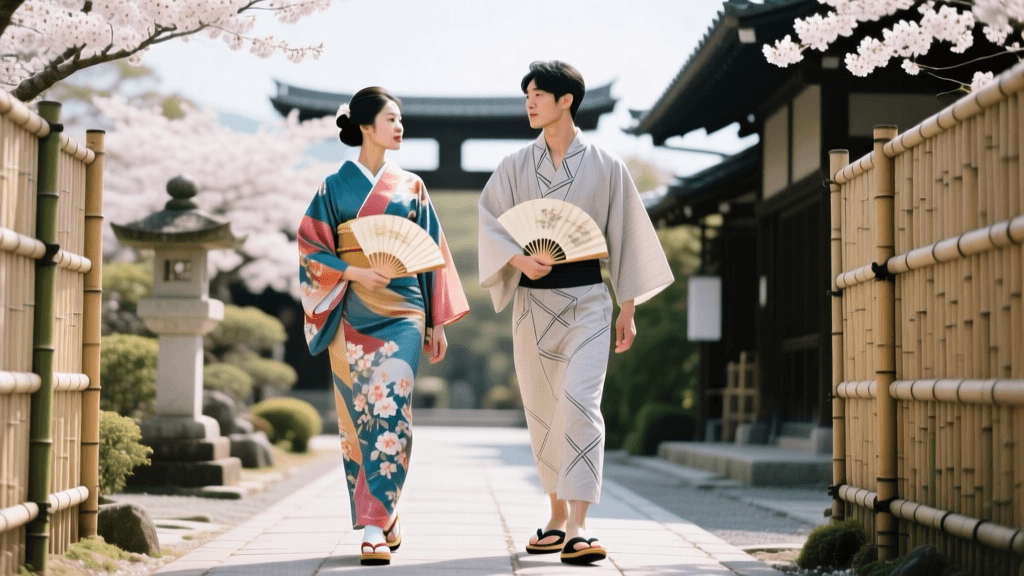
Summer in Japan is a sensory explosion of fireworks, street food, and vibrant traditional festivals known as matsuri. As temperatures soar, locals and visitors alike shed heavy layers in favor of breathable, culturally rich garments. When attending Japanese summer festivals, the two most prominent casual garments you will encounter are the yukata and the jinbei. While both are deeply rooted in Japanese heritage and designed to combat the humid summer heat, they serve different purposes, carry distinct levels of formality, and require entirely different styling approaches. In 2026, the landscape of Japanese summer fashion has evolved, blending centuries-old weaving techniques with modern sustainable textiles. This comprehensive guide will break down the differences between yukata and jinbei, helping you choose the perfect outfit for your summer adventures.
The Yukata: Elegance Meets Summer Breezes
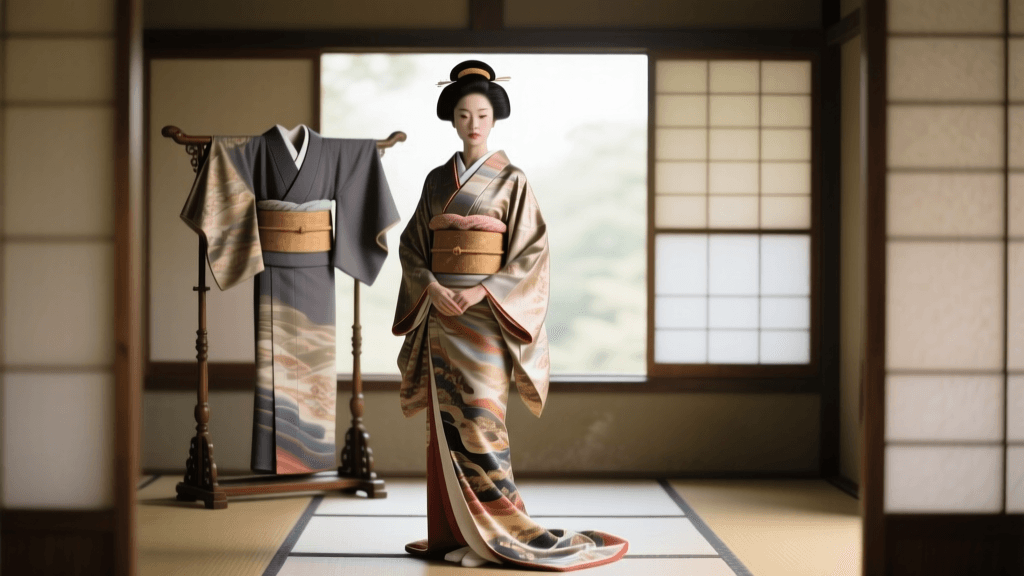
The yukata is a lightweight, unlined cotton kimono. Originally worn by the nobility in the Heian period as a bathrobe (the term translates roughly to 'bathing cloth'), it eventually evolved into the ubiquitous summer street wear we recognize today. Unlike formal silk kimonos, the yukata is worn directly over basic undergarments and is secured with a simpler sash.
2026 Trends and Textiles
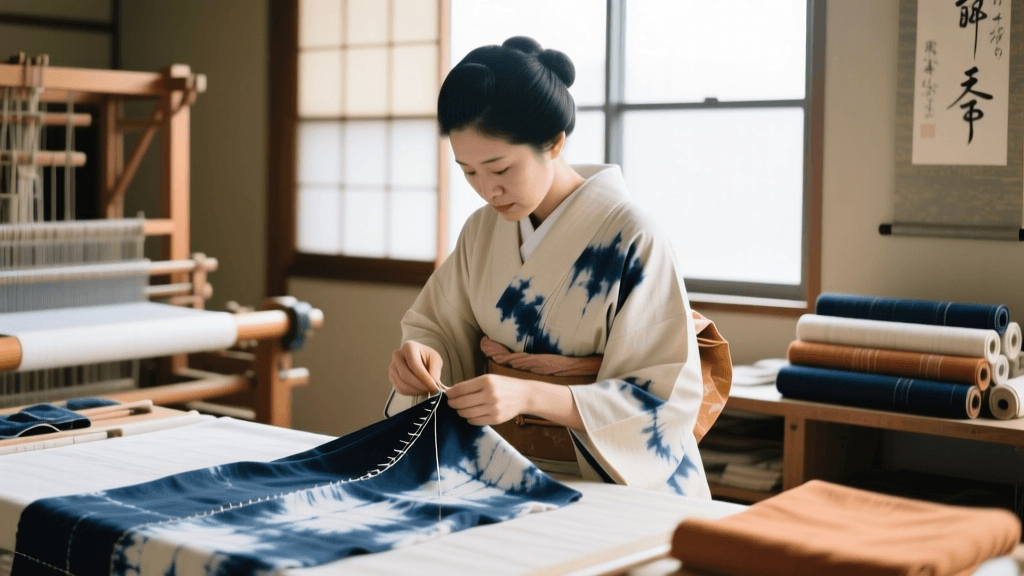
In 2026, the yukata market is heavily focused on sustainability and artisanal revival. Major textile hubs like Tokamaki and Kurume are producing organic cotton yukatas using low-water digital dyeing techniques, allowing for hyper-detailed ukiyo-e (woodblock print) motifs without the environmental toll of traditional vat dyeing. The standard fabric remains a crisp, breathable cotton, but we are also seeing a rise in ro and sha (leno-weave gauze) blends that offer superior airflow for the increasingly hot Japanese summers.
The Jinbei: Ultimate Casual Comfort
If the yukata is the elegant cousin of summer wear, the jinbei is its relaxed, carefree sibling. The jinbei is a two-piece garment consisting of a short-sleeved, wrap-style top and matching shorts or cropped pants. It originated from the jinbaori, a sleeveless surcoat worn by samurai over their armor, before being adapted into everyday lounge and work wear during the Edo period.
Modern Adaptations and Shijira-Ori
Historically worn by men and children, the jinbei has seen a massive surge in popularity among women over the last decade. The 2026 women's jinbei collections feature lace trims, ruffled sleeves, and vibrant botanical prints. The most prized fabric for high-quality jinbei is shijira-ori, a traditional slub-weave cotton from Tokushima prefecture. This fabric has a seersucker-like texture that prevents it from clinging to sweaty skin, making it the ultimate choice for lounging at home, running neighborhood errands, or attending casual local bon dances (bon odori).
Head-to-Head Comparison Chart
To help you decide which garment suits your itinerary, here is a direct comparison of the yukata and jinbei for the 2026 summer season.
| Feature | Yukata | Jinbei |
|---|---|---|
| Formality | Semi-casual to Smart-casual | Very Casual / Loungewear |
| Pieces | One-piece wrap robe | Two-piece (top and shorts) |
| Fastening | Requires an Obi (sash) | Simple fabric tie-strings |
| Dressing Time | 10 to 20 minutes | Under 2 minutes |
| Typical Cost (2026) | ¥5,000 - ¥30,000+ ($35 - $210+) | ¥3,000 - ¥12,000 ($20 - $85) |
| Footwear | Geta (wooden clogs) with Tabi | Bare feet, flip-flops, or Setta |
| Best Occasions | Fireworks, dates, major festivals | Home, local errands, casual bon dances |
Styling and Accessories: What You Need to Know
Choosing the garment is only half the battle. Traditional Japanese clothing relies heavily on accessories to complete the look and ensure cultural appropriateness.
Yukata Accessories
- Hanhaba Obi: A half-width sash used for casual yukata. In 2026, reversible obis with contrasting geometric patterns are highly popular for their versatility.
- Obi-ita and Obijime: A stiff board placed under the obi to keep it smooth, and a decorative cord tied over it for a polished finish.
- Geta and Yukata Sandals: Wooden clogs (geta) are traditional, but modern vinyl-coated setta or flat sandals are preferred in 2026 for their comfort during long festival walks.
- Kinchaku: A traditional drawstring bag. Since yukatas lack pockets, a kinchaku is essential for carrying your phone, wallet, and fan.
- Uchiwa or Sensu: A rigid round fan (uchiwa) or folding fan (sensu) is both a practical cooling tool and a vital fashion prop.
Jinbei Accessories
The beauty of the jinbei lies in its minimalism. You do not need an obi, special undergarments, or elaborate footwear. Most people wear jinbei with bare feet or simple rubber sandals. Because the shorts have side pockets, a bag is often unnecessary, though a small crossbody bag or a modern bamboo-handled tote can elevate the look for a casual evening stroll.
Dressing Etiquette and Cultural Nuances
Whether you choose a yukata or a jinbei, the fundamental rule of Japanese wrap garments applies: Always wrap the left side over the right side. This is known as migi-mae. Wrapping right-over-left is strictly reserved for dressing the deceased for burial. This rule applies to both men and women, and to both the yukata robe and the jinbei top. Additionally, when tying the obi for a yukata, women traditionally tie it at the back, while men tie it lower, at the hips, in the front or slightly to the side. Ensuring these nuances are correct shows respect for the culture and elevates your overall aesthetic.
2026 Buying Guide: Budgets and Where to Shop
If you are looking to purchase your own summer wear in 2026, the retail landscape offers options for every budget.
Entry-Level and Fast Fashion
Brands like Uniqlo, Muji, and Shimamura release annual summer collections starting in late April. Expect to pay between ¥3,000 and ¥5,000 for a basic jinbei set, and ¥4,000 to ¥7,000 for a pre-tied (tsuke-obi) yukata set. These are excellent for tourists who want a hassle-free experience without the learning curve of tying a traditional obi.
Mid-Range and Department Stores
Major department stores (like Takashimaya or Isetan) and specialized kimono chains (like Tansu-ya or Kyoto Kimono Yuzen) offer mid-range options from ¥10,000 to ¥25,000. Here, you will find authentic shijira-ori jinbei and beautifully dyed cotton yukatas with color-fast properties that withstand years of summer washing.
Artisan and Vintage
For collectors and fashion enthusiasts, vintage kimono shops in Tokyo's Harajuku or Kyoto's Teramachi districts offer upcycled, retro-patterned yukatas from the Showa era. Furthermore, commissioning a custom-dyed yukata from an artisan in the Arimatsu shibori region can cost upwards of ¥50,000, but provides a bespoke, heirloom-quality garment that supports traditional Japanese craftsmanship.
Final Verdict: Which Should You Choose?
The choice between yukata and jinbei ultimately depends on your summer itinerary. If you are planning to attend the Gion Matsuri in Kyoto, watch the Sumidagawa fireworks in Tokyo, or go on a summer date, the yukata is the undisputed champion. It offers a graceful silhouette, a deeply immersive cultural experience, and photographs beautifully against the backdrop of illuminated paper lanterns.
However, if your goal is ultimate comfort, you are traveling with young children, or you plan to spend your evenings participating in local neighborhood bon dances where mobility is key, the jinbei is your best friend. It is unpretentious, incredibly cool in the heat, and allows you to blend in seamlessly with locals enjoying a relaxed summer evening. By understanding the distinct roles of these two garments, you can fully embrace the magic of a Japanese summer in 2026 with both style and cultural respect.