Best Japanese Fashion Schools & Online Kimono Workshops 2026
The Renaissance of Japanese Traditional Garments in 2026
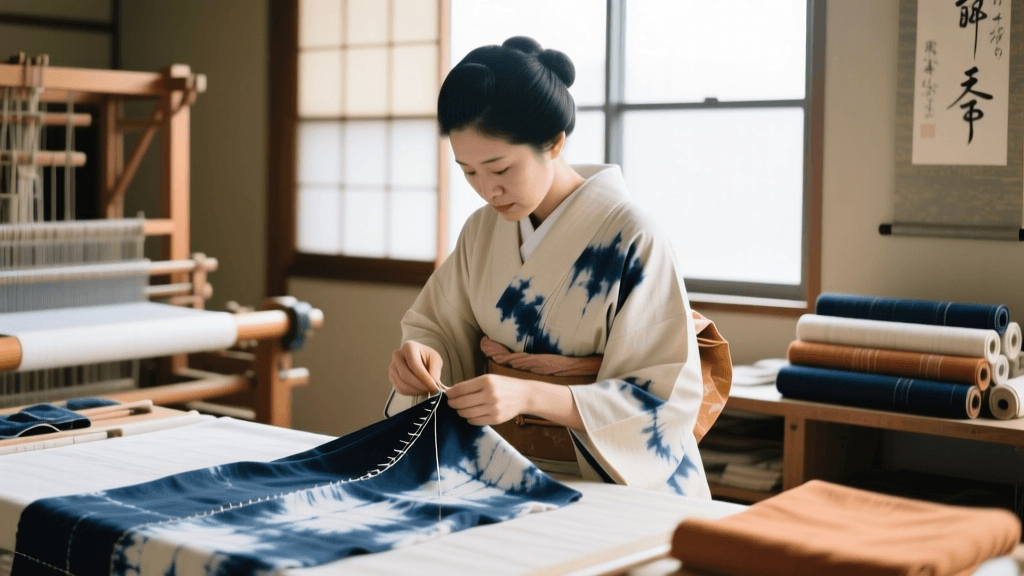
As the global fashion industry increasingly pivots toward sustainability, craftsmanship, and slow fashion, traditional Japanese garments and textile techniques have experienced a massive resurgence. In 2026, the intersection of heritage craftsmanship and modern digital education has never been more accessible. Whether you are an aspiring fashion designer looking to integrate boro patchwork into contemporary streetwear, or a textile enthusiast wanting to master the intricate art of shibori dyeing, Japanese fashion schools and specialized online workshops are offering unprecedented access to these ancient techniques.
This comprehensive guide explores the best Japanese fashion schools, hybrid learning programs, and online masterclasses available in 2026 for mastering traditional garment construction, natural dyeing, and kimono-making. We will also cover the essential tools you need to build your own traditional textile studio at home.
Top Japanese Fashion Schools for Traditional Garment Education
Japan remains the undisputed epicenter for textile innovation and preservation. For students willing to study in Tokyo or engage in their newly expanded hybrid programs, the top fashion colleges have integrated traditional arts into their 2026 curricula.
Bunka Fashion College (Tokyo)
Widely regarded as the premier fashion institution in Asia, Bunka Fashion College has long been a pioneer in blending Western tailoring with Japanese aesthetics. For 2026, Bunka has introduced a specialized 'Heritage Textiles & Modern Silhouettes' short-course track. This program focuses heavily on the structural engineering of the kimono and how its flat-pattern-making techniques can be adapted for zero-waste contemporary fashion. Students learn traditional tanmono (bolt of cloth) cutting methods, ensuring not a single scrap of silk is wasted. The 2026 tuition for this intensive 12-week hybrid workshop is approximately ¥380,000, which includes access to their state-of-the-art digital loom simulations and physical dyeing labs in Shibuya.
Sugino Fashion College
Sugino Fashion College has carved out a niche in sustainable and historical garment preservation. Their 2026 'Mending and Upcycling' certificate program is deeply rooted in the traditions of sashiko (functional embroidery) and boro (patchwork). As the global runway embraces distressed and repaired textiles, Sugino teaches students the historical context of Edo-period peasant wear and how to authentically replicate these techniques using modern, ethically sourced hemp and cotton. The college offers weekend intensive workshops for international students, complete with English translation headsets and digital course materials.
Best Online Learning Platforms for Japanese Textile Arts
For those unable to relocate to Japan, 2026 has seen a massive improvement in the quality of online, remote, and virtual reality (VR) assisted workshops. High-definition multi-camera setups and live artisan Q&A sessions have bridged the gap between the classroom and the home studio.
Kogei Japan Digital Artisan Streams
The official portal for traditional crafts, Kogei Japan, launched an expanded premium streaming and interactive workshop platform in late 2025. In 2026, they offer live, bi-weekly masterclasses directly from certified artisans in Kyoto and Kanazawa. You can enroll in specialized modules such as Yuzen resist-dyeing, Kanoko shibori (fawn-spot tie-dye), and gold leaf application on silk. These sessions are highly interactive; students ship their dyed samples back to Japan for professional grading and feedback from the masters.
Domestika & Specialized Craft Platforms
While platforms like Domestika offer excellent pre-recorded introductory courses on Shibori and Sashiko, 2026 has seen the rise of niche, subscription-based platforms dedicated entirely to Asian heritage crafts. These platforms provide monthly material kits shipped globally, containing pre-mordanted fabrics, natural indigo, and specialized needles, paired with live Zoom workshops led by bilingual Japanese instructors.
Comparing In-Person Workshops vs. Online Masterclasses
Choosing between flying to Tokyo for an immersive experience or learning from your home studio depends on your budget, time, and learning style. Below is a comparison of the top options available in 2026.
| Institution / Platform | Format | 2026 Estimated Cost | Core Focus | Language |
|---|---|---|---|---|
| Bunka Fashion College | In-Person / Hybrid | ¥380,000 (12 weeks) | Kimono Pattern Drafting, Zero-Waste Cutting | Japanese (English support) |
| Sugino Fashion College | Weekend Intensives | ¥120,000 (4 weeks) | Sashiko, Boro, Sustainable Upcycling | Japanese / English |
| Kogei Japan Streams | Live Online + Mail-in | $450 (per module) | Yuzen, Kanoko Shibori, Gold Leaf | Japanese (Live Translation) |
| Niche Craft Subscriptions | On-Demand + Kit | $85 / month | Indigo Dyeing, Basic Sashiko, Weaving | English / Japanese |
Essential Tools for Your 2026 Home Studio
If you are pursuing online learning, setting up a proper home studio is critical for mastering traditional Japanese techniques. The tactile nature of these crafts requires specific, high-quality tools that have been refined over centuries.
- Sashiko Needles: Do not use standard Western embroidery needles. You must invest in specialized Sashiko needles, which are longer, thicker, and feature larger eyes to accommodate heavy cotton threads. The Olympus Sashiko Needles (specifically No. 3 for heavy fabrics and No. 8 for fine cotton) remain the industry standard in 2026.
- Natural Indigo Vat Kits: For authentic aizome (indigo dyeing), synthetic dyes will not yield the correct depth or antimicrobial properties. Buaisou, a renowned indigo farm in Tokushima, ships their 'Sukumo' (fermented indigo leaves) starter kits globally. Their 2026 home vat kit includes the necessary alkaline agents and detailed pH-balancing guides.
- Traditional Fabrics: To practice kimono construction, you need authentic tanmono widths (usually around 36cm). For summer garment practice, source Ro and Sha (leno-weave silks) from established mills like Toyo Boseki, which now offer direct-to-consumer sample swatches for international students.
- Chalk and Paste Resist: For tsutsugaki (freehand resist dyeing), a traditional brass-tipped cone and rice bran paste are essential. Many online workshops now ship pre-mixed, shelf-stable rice paste alternatives that mimic the traditional fermentation process without the spoilage risk.
Adapting Traditional Techniques for the Modern Runway
One of the most exciting aspects of studying Japanese traditional garments in 2026 is seeing how these techniques are being adapted for global runways and contemporary streetwear. According to the Victoria and Albert Museum's archive on Japanese textiles, the structural fluidity of the kimono has historically influenced Western designers from Madeleine Vionnet to Alexander McQueen. Today, the influence is even more direct.
Students at Bunka and Sugino are currently experimenting with integrating smart-textiles into traditional haori jackets, and using laser-cutting technology to mimic the intricate patterns of komon (fine-pattern dyeing) on sustainable vegan leathers. By learning the foundational rules of traditional Japanese garment making—such as the straight-line cutting method, the use of the obi as a structural anchor, and the layering of transparent kasane colors—designers are equipped to break these rules in innovative, culturally respectful ways.
Step-by-Step Guide to Enrolling in a 2026 Program
If you are ready to begin your journey into Japanese traditional fashion, follow these actionable steps to secure your spot in a 2026 cohort:
- Define Your Niche: Decide whether you want to focus on construction (pattern making, sewing), surface design (dyeing, embroidery), or preservation (mending, historical archiving). This will dictate whether you choose Bunka, Sugino, or a specialized online artisan stream.
- Prepare a Portfolio: Even for short-term workshops, top Japanese schools require a basic portfolio. Include sketches, photographs of garments you have made, or mood boards that demonstrate your understanding of Japanese aesthetics and sustainable fashion.
- Secure Your Visa and Housing (For In-Person): If enrolling in a 12-week program at Bunka, you will need a short-term study visa or a cultural activities visa. Begin this process at least six months in advance. Many schools now partner with co-living spaces in Tokyo that cater specifically to international design students.
- Set Up Your Digital Workspace (For Online): Ensure you have a well-lit, overhead camera setup for your work desk. Online instructors need to see your stitching tension and dye immersion techniques clearly to provide accurate critiques.
Conclusion
The landscape of Japanese fashion education in 2026 is a beautiful synthesis of ancient wisdom and modern accessibility. Whether you are walking the halls of Bunka Fashion College in Tokyo or dyeing your first batch of indigo in your home studio via a live stream from Tokushima, the opportunity to master these traditional Asian garments is at your fingertips. By investing in these skills, you are not only elevating your own design practice but also participating in the vital preservation of Japan's extraordinary textile heritage.