Japanese Weaves 2026: Nishijin-Ori & Kasuri Zen Styling Guide
The Intersection of Heritage and 2026 Contemporary Fashion
As we navigate the sartorial landscape of 2026, the global fashion industry has witnessed a profound shift toward mindfulness, sustainability, and deep cultural appreciation. At the forefront of this movement is the resurgence of traditional Japanese textiles, specifically the luxurious Nishijin-ori brocades and the deeply symbolic Kasuri ikat weaves. No longer confined to ceremonial occasions or museum archives, these historic fabrics have been reimagined through the lens of Zen minimalism, offering a sophisticated, grounding presence in modern wardrobes. This comprehensive guide explores the intricate weaving methods, the sensory experience of natural dyes, and actionable styling strategies for integrating these masterpieces into your daily life, honoring both their ancestral roots and their contemporary relevance.
The Heritage of Nishijin-ori and Kasuri Weaving
Nishijin-ori: The Brocade of Kyoto
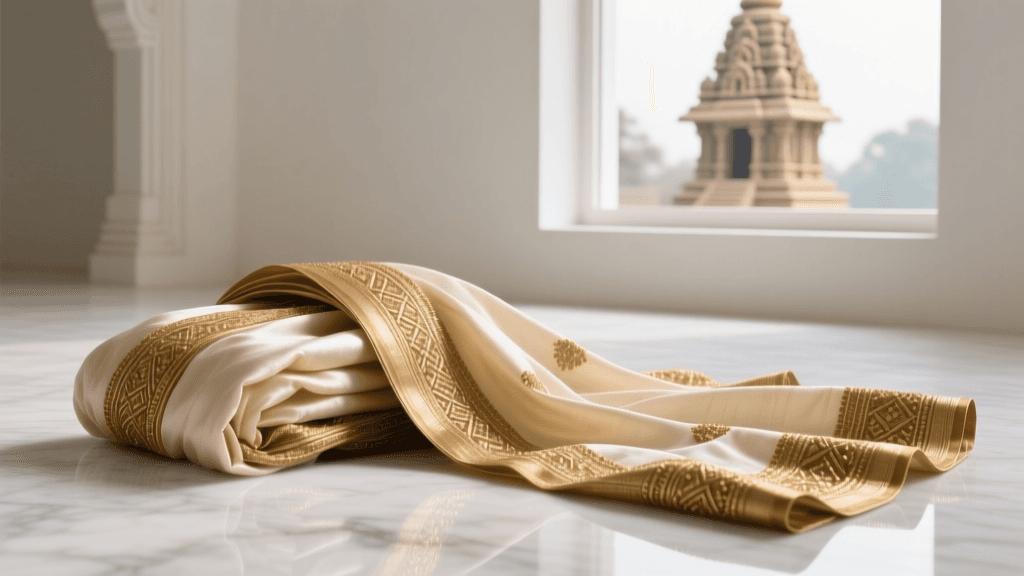
Originating in the Nishijin district of Kyoto, Nishijin-ori is a designation for high-end, multi-colored jacquard-style weaving. Characterized by its dense, intricate patterns and the use of luxurious materials like silk, gold leaf, and silver threads, this textile represents the pinnacle of Japanese weaving artistry. In 2026, contemporary Kyoto ateliers have introduced eco-friendly silk alternatives and recycled metallic yarns, aligning ancient techniques with modern sustainability mandates. According to the Nishijin Textile Center, the meticulous process of creating a single Nishijin obi or jacket panel can involve over twenty distinct specialized steps, from the initial design drafting to the final weaving on complex looms. The resulting fabric is heavy, structured, and possesses a distinctive acoustic quality known as kinu-nari (the sound of silk), which adds a profound sensory layer to the wearing experience.
Kurume Kasuri: The Soul of Indigo
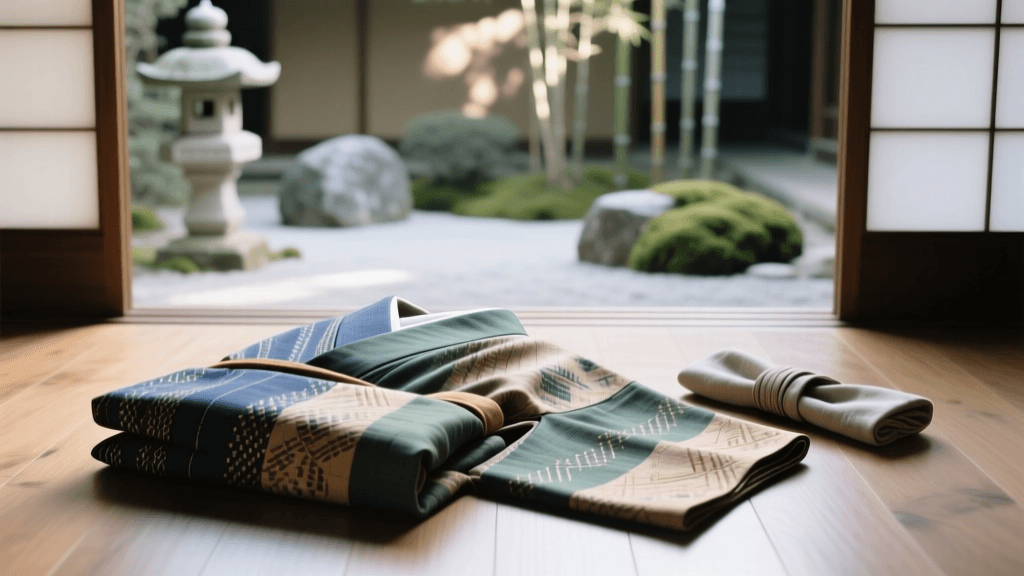
In stark contrast to the opulence of Nishijin, Kasuri (specifically the renowned Kurume Kasuri from Fukuoka) embodies the rustic, profound beauty of rural Japan. Kasuri is a resist-dyeing technique where bundles of cotton yarn are tightly bound before being submerged in natural indigo vats. When woven, the slightly misaligned dyed and undyed sections create a blurred, pixelated pattern that is entirely unique to each garment. The Victoria and Albert Museum Asian Collections frequently highlights Kasuri for its geometric complexity and the incredible labor intensity required to align the warp and weft threads perfectly. In 2026, the revival of natural fermentation indigo vats (sukumo) has brought back the authentic, earthy scent and antibacterial properties that made Kasuri the preferred workwear of Japanese artisans and farmers for centuries.
Zen Spirituality and the Sensory Wardrobe
Integrating traditional Japanese weaves into a modern wardrobe is not merely an aesthetic choice; it is an exercise in Zen philosophy. The concepts of Wabi-sabi (finding beauty in imperfection and transience) and Ma (the conscious appreciation of negative space) heavily influence how these garments are cut and worn in 2026. Modern designers are moving away from rigid, tailored silhouettes, opting instead for fluid, unstructured cuts that allow the fabric to drape naturally over the body, creating a dynamic interplay between the textile and the empty space around it.
The sensory experience of wearing these garments is paramount. The cool, smooth touch of Nishijin silk against the skin provides a calming, grounding effect, while the textured, breathable nature of cotton Kasuri adapts to the body's temperature, making it ideal for transitional seasons. Furthermore, the subtle, lingering scent of natural indigo in Kasuri garments acts as a natural aromatherapeutic element, promoting focus and tranquility throughout the day.
2026 Styling Matrix: Garments for Modern Life Stages
Styling heritage textiles requires a delicate balance to ensure the garments feel relevant rather than costumey. The following matrix provides specific, actionable advice for incorporating Nishijin-ori and Kasuri into various life stages and occasions in 2026.
| Garment Style | Traditional Weave | Life Stage / Occasion | 2026 Styling Recommendation |
|---|---|---|---|
| Modern Haori Jacket | Nishijin-ori Silk | Formal Events / Milestones | Pair with minimalist, wide-leg linen trousers in charcoal or ivory. Keep the under-layer a simple, high-neck merino knit to let the brocade pattern command attention. |
| Noragi Work Jacket | Cotton Kurume Kasuri | Casual / Creative Workspaces | Layer over a sheer, lightweight turtleneck. Cuff the sleeves deliberately to expose the hand-finished selvedge edge and the deep, multi-tonal blues of the indigo dye. |
| Samue Loungewear | Hemp-Blend Kasuri | Zen Meditation / Home Retreats | Wear with barefoot or split-toe cotton Jikatabi for sensory grounding. The relaxed, wrap-around silhouette facilitates deep breathing and unencumbered movement. |
| Tech-Wear Vest | Nishijin-ori Accent Panels | Urban Commute / Travel | Choose a 2026 utility vest featuring Nishijin shoulder panels. Style with matte black technical cargo pants and sleek, waterproof leather Tabi sneakers. |
Color Theory and Pattern Scaling
When styling Nishijin-ori, which often features dense, vibrant motifs, the rule of Ma dictates that the rest of your outfit should serve as negative space. Opt for solid, muted tones like slate grey, matcha green, or deep indigo to frame the brocade. Conversely, Kasuri's blurred, geometric patterns act as a neutral texture from a distance. This allows you to pair a Kasuri jacket with bolder, contemporary pieces, such as a structured leather tote or modernist architectural jewelry, without creating visual clutter.
Footwear Pairings: From Traditional Zori to Modern Tabi
Footwear is a critical component of the Japanese fashion ecosystem, fundamentally altering the posture and gait of the wearer. In 2026, the split-toe Tabi silhouette continues to dominate international design, bridging the gap between historic utility and avant-garde streetwear. When wearing a formal Nishijin-ori Haori, traditional lacquered Zori sandals paired with pristine white Tabi socks remain the gold standard for ceremonial events, promoting a grounded, deliberate walking pace.
For everyday Kasuri workwear, the Jikatabi (split-toe work boot) has seen a massive resurgence. Modern 2026 iterations from Okayama-based craftsmen feature vulcanized rubber soles and water-resistant indigo-dyed canvas uppers. These provide the agility and sensory connection to the earth that traditional footwear offers, while delivering the durability required for modern urban environments. Pairing a heavy cotton Noragi jacket with leather Jikatabi creates a cohesive, rugged silhouette that honors the textile's agrarian roots.
Preservation: Archival Care for Woven Masterpieces
Investing in heritage textiles requires a commitment to their preservation. The methods used to care for Nishijin-ori and Kasuri in 2026 blend ancestral wisdom with modern conservation science. Recognized by UNESCO Intangible Cultural Heritage frameworks, the preservation of these crafting techniques also extends to the physical upkeep of the garments themselves.
- Storage Solutions: Avoid wire hangers, which distort the warp threads of heavy Nishijin brocades. Instead, fold garments using acid-free tissue paper and store them in traditional Kiri-tansu (Paulownia wood chests). Paulownia wood naturally regulates humidity and repels insects without the use of harsh chemical mothballs.
- Cleaning Protocols: Never machine wash Nishijin-ori; it requires specialized dry cleaning by artisans who understand metallic yarn preservation. Kasuri cotton, however, benefits from gentle hand washing in cold water using a pH-neutral, plant-based detergent. The natural indigo dye will continue to evolve and fade beautifully, developing a unique patina that reflects the wearer's life.
- The Philosophy of Repair: Embrace the Boro tradition of mending. If a Kasuri jacket tears, repair it using visible sashiko stitching with contrasting white or gold thread. This not only extends the garment's life but elevates its aesthetic, embodying the Zen principle that scars and repairs add to an object's history and beauty.
Sourcing Authentic Textiles in 2026
As the demand for authentic, ethically produced heritage garments grows, knowing where to source these textiles is crucial. In 2026, direct-to-consumer platforms established by Japanese weaving cooperatives allow international buyers to purchase directly from the artisans, ensuring fair compensation and supporting the survival of these endangered crafts. When shopping, always look for the official regional certification marks, such as the Kyoto Nishijin Weavers' Association seal or the Kurume Kasuri geographical indication tag, which guarantee the fabric was woven using traditional methods and materials. By choosing authenticity over mass-produced imitations, you become an active participant in the preservation of Asian textile traditions, weaving a thread of history into the fabric of your modern life.