Best Archival Storage for Vintage Silk Kimonos & Hanboks 2026
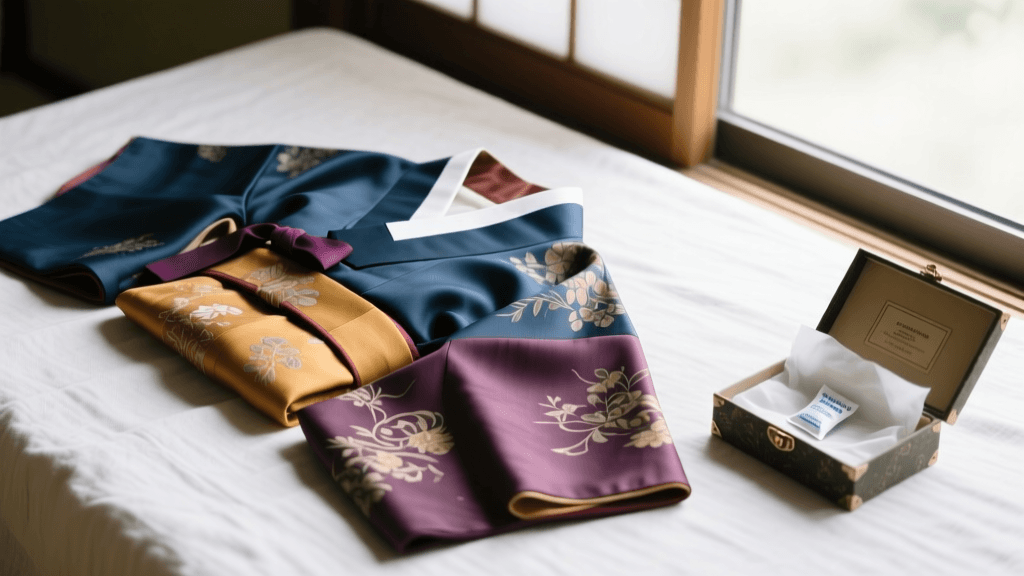
Preserving East Asian Silk Heritage in 2026
Traditional East Asian garments, particularly the Japanese kimono and the Korean hanbok, represent centuries of intricate textile artistry, cultural identity, and masterful craftsmanship. However, the very material that gives these garments their legendary drape and luster—silk—is also highly susceptible to environmental degradation. As we navigate the fluctuating indoor climates and evolving preservation standards of 2026, collectors, curators, and families inheriting these heirlooms must adopt museum-grade archival storage techniques. Improper storage can lead to shattered fibers, permanent creasing, dye migration, and catastrophic pest damage within a matter of months.
This comprehensive guide explores the most effective, scientifically backed methods for preserving vintage silk kimonos and hanboks in 2026. From selecting the right archival enclosures to implementing smart climate monitoring, these strategies will ensure your textile heritage survives for generations to come.
The Science of Silk Degradation
To properly care for silk, one must understand its chemical vulnerability. Silk is a natural protein fiber composed primarily of fibroin, coated with a protective gum called sericin. While incredibly strong when new, aged silk becomes brittle. Historical garments, particularly those from the early to mid-20th century, often suffer from 'weighted silk' degradation. During historical manufacturing, metallic salts were sometimes added to silk to increase its weight and improve its drape. Over decades, these salts catalyze a chemical reaction that literally shatters the silk fibers along fold lines.
Furthermore, silk is highly sensitive to ultraviolet (UV) light, which breaks down the amino acid bonds in the protein structure, leading to irreversible yellowing and loss of tensile strength. According to guidelines published by the Canadian Conservation Institute, maintaining a dark, stable environment is the single most critical factor in preventing photochemical degradation in historic protein fibers.
Archival Storage Materials: Building a Microclimate
The days of storing heirloom kimonos in cedar chests or plastic bins are over. Cedar wood emits acidic vapors and natural oils that can stain and weaken silk, while plastic bins trap moisture and off-gas volatile organic compounds (VOCs) that accelerate fabric decay. In 2026, the gold standard for home and institutional archives involves creating a breathable, chemically inert microclimate.
Acid-Free Tissue vs. Tyvek
When wrapping or padding garments, the choice of interleaving material is paramount. Unbuffered, acid-free tissue paper has long been the standard for wrapping silk. However, tissue paper can compress over time, losing its protective loft. For long-term storage in 2026, conservationists increasingly recommend Tyvek—a flash-spun high-density polyethylene fiber. Tyvek is pH-neutral, chemically inert, water-resistant, and allows the silk to breathe while providing a superior barrier against dust and pests.
Museum-Grade Enclosures
Garments should be housed in drop-front archival boxes constructed from acid-free, lignin-free corrugated board or inert polypropylene. Brands like Hollinger Metal Edge and University Products remain the industry leaders in 2026, offering boxes specifically sized for the wide sleeves of kimonos and the voluminous skirts (chima) of hanboks.
2026 Archival Material Comparison
| Material | Best Use Case | 2026 Est. Cost | Replacement Cycle |
|---|---|---|---|
| Unbuffered Acid-Free Tissue | Interleaving folds, padding sleeves | $18 - $28 per pack | 1 - 3 Years |
| Archival Tyvek Sheets | Outer wrapping, dust barriers | $35 - $50 per roll | 10+ Years |
| Drop-Front Archival Box | Primary storage enclosure | $85 - $140 per box | 20+ Years |
| Unbleached Cotton Muslin | Garment bags for hanging (rare) | $25 - $45 per bag | 5 - 7 Years |
The Art of Folding: Preventing Crease Shattering
Hanging vintage silk kimonos or heavy hanboks on standard hangers is a cardinal sin in textile preservation. The weight of the garment pulls on the fragile shoulder seams, causing irreversible distortion and tearing. Flat storage is the only safe option for long-term preservation, but improper folding creates hard creases that will eventually snap the silk fibers.
Traditional Tatoushi Folding with Modern Padding
The traditional Japanese method of folding a kimono, known as tatoushi, is designed to align seams and distribute folds logically. However, even with proper folding, the physical act of bending the fabric creates stress points. To mitigate this in 2026, conservators use the 'sausage' padding technique.
- Step 1: Lay the kimono face down on a clean, acid-free workspace. Fold according to the traditional tatoushi method, ensuring all seams align perfectly.
- Step 2: Roll unbuffered acid-free tissue paper or soft Tyvek into loose, cylindrical 'sausages'.
- Step 3: Place these tissue rolls inside every fold line before creasing the fabric. This creates a soft, rounded curve rather than a hard, sharp edge, distributing the stress across a wider surface area.
- Step 4: For hanboks, the heavily pleated chima (skirt) requires extensive padding. Stuff the waistband and every major pleat with tissue rolls to maintain the garment's structural memory without crushing the silk.
Pest Management in 2026: Moving Beyond Toxic Chemicals
Webbing clothes moths (Tineola bisselliella) and carpet beetles are the natural enemies of protein-based fibers like silk. Historically, households relied on camphor, naphthalene (mothballs), or paradichlorobenzene to deter pests. Today, these methods are recognized as highly dangerous to both human health and the textiles themselves.
The United States Environmental Protection Agency strictly warns against the use of traditional mothballs, noting that their active ingredients are toxic pesticides that can cause severe respiratory issues. Furthermore, the chemical vapors from these products can react with the metallic threads and dyes in vintage kimonos and hanboks, causing permanent black staining and accelerated silk rot.
Modern Integrated Pest Management (IPM)
In 2026, safe and effective pest prevention relies on Integrated Pest Management strategies:
- Pheromone Traps: Sticky traps baited with species-specific female moth pheromones are placed near storage areas. These traps attract and capture male moths, disrupting the breeding cycle without introducing chemicals to the garments.
- Controlled Freezing: If a garment is suspected of harboring pest eggs, it can be sealed in a polyethylene bag and placed in a standard chest freezer at -20°C (-4°F) for 72 hours. This safely kills all life stages of the pests. The garment must then be allowed to thaw slowly at room temperature before opening the bag to prevent condensation.
- Essential Oil Deterrents: While cedarwood oil and lavender sachets are popular, they must never touch the silk directly. Place them in small, breathable cotton bags, and then place those bags inside a secondary Tyvek pouch to ensure only the scent, and not the staining oils, reaches the garment.
Climate Control and Smart Monitoring
Silk is hygroscopic, meaning it readily absorbs and releases moisture from the surrounding air. Fluctuations in Relative Humidity (RH) cause the fibers to expand and contract, leading to mechanical fatigue. High humidity (above 65%) invites mold growth and dye bleeding, while low humidity (below 40%) desiccates the fibers, making them brittle.
According to the Victoria and Albert Museum, the ideal storage environment for historic textiles is a stable temperature of around 18°C (65°F) with a Relative Humidity of 50%, allowing for a variance of no more than ±5%. Achieving this in a modern home requires strategic placement of your archival boxes. Never store textiles in attics, basements, or against exterior walls where temperature swings are most extreme.
To ensure these parameters are met, collectors in 2026 utilize smart Bluetooth hygrometers, such as the latest SensorPush or Temp Stick models. These devices are placed directly inside the archival boxes and transmit continuous temperature and RH data to your smartphone, alerting you immediately if the microclimate deviates from the safe zone.
When to Seek Professional Textile Restoration
While meticulous archival storage can halt the progression of damage, it cannot reverse existing deterioration. It is crucial to recognize the signs that a garment requires the intervention of a professional textile conservator rather than amateur home remedies.
- Shattered Silk: If the silk feels like dry leaves and cracks along the fold lines, the structural integrity is compromised. A conservator can stabilize the area using custom-dyed silk crepeline and conservation-grade adhesives.
- Mold Blooms: Fuzzy or powdery spots indicate active fungal growth. Do not attempt to wipe this off, as you will grind the hyphae deeper into the fibers. Professional freeze-drying and specialized vacuuming are required.
- Dye Migration: If colors have bled into adjacent areas, a conservator can perform localized aqueous treatments to draw out the fugitive dyes without harming the surrounding fabric.
Conclusion
Preserving vintage silk kimonos and hanboks is an act of cultural stewardship. By abandoning outdated, harmful storage practices and embracing the museum-grade archival materials, precise folding techniques, and smart monitoring technologies available in 2026, you can protect these magnificent garments from the ravages of time. Investing in proper preservation today ensures that the artistry, history, and soul of these East Asian masterpieces will continue to inspire and educate generations to come.