Traveling With Hanfu In 2026: Packing & Destination Guide
The Renaissance of Hanfu Travel in 2026
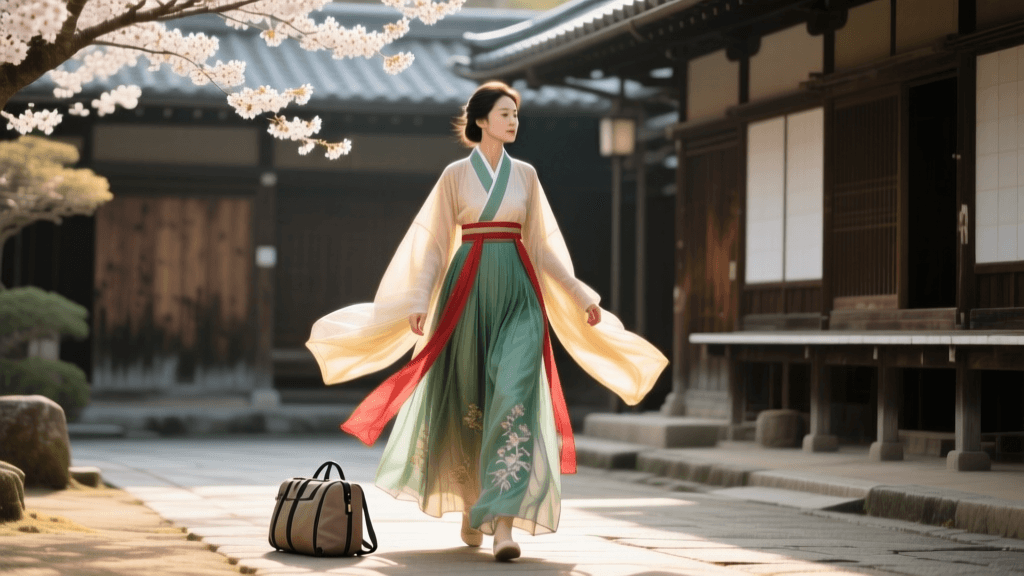
As we navigate the vibrant travel landscape of 2026, the Hanfu movement has transcended local photography studios to become a global travel phenomenon. What began as a niche hobby has evolved into a sophisticated cultural tourism sector, with millions of travelers incorporating traditional Chinese garments into their vacation itineraries. The 2026 spring and autumn travel seasons have seen a massive surge in 'Hanfu-friendly' hospitality, with high-speed rail networks across Asia now offering specialized luggage racks for garment boxes, and boutique hotels in historical cities providing dedicated steaming stations and dressing rooms.
Traveling with traditional garments, however, requires meticulous planning. Unlike modern fast fashion, Hanfu pieces—particularly those made from delicate mulberry silk, intricate jacquard weaves, and structured pleats—demand specialized packing techniques to survive transit. Whether you are embarking on a cross-country rail journey through China's ancient capitals or planning a cross-cultural photoshoot in Kyoto, mastering the art of Hanfu travel is essential for the modern cultural explorer.
Essential Hanfu Packing Gear for 2026
The days of stuffing delicate silk into standard suitcases are over. The 2026 travel market offers highly specialized gear designed specifically for heritage garments and traditional textiles. Here is the essential packing list for the serious Hanfu traveler:
- Philips Travel Steamer STH3020/20 (2026 Edition): Wrinkles are the enemy of traditional drape. This foldable, dual-voltage steamer heats up in 30 seconds and features a specialized silk-safe soleplate. It is compact enough for carry-on luggage and essential for reviving crushed organza and chiffon layers upon arrival.
- Rigid Garment Archive Boxes: For highly structured garments like the Ming dynasty Mamianqun (horse-face skirt) or heavily embroidered jackets, soft garment bags are insufficient. Invest in lightweight, crush-proof EVA foam garment boxes that allow you to lay skirts flat without folding the pleats.
- Eagle Creek Pack-It Isolate Cubes: Use these ultra-lightweight, water-resistant cubes to separate your inner layers (Zhongyi), outer layers (Ao, Shan, Beizi), and accessories (Pibo, belts, hairpieces). The isolation prevents dye transfer and keeps silk away from moisture.
- Acid-Free Tissue Paper: Crucial for buffering folds in delicate textiles to prevent permanent crease lines and fiber breakage during long-haul flights.
Step-by-Step Mamianqun Folding & Packing Guide
The Mamianqun, with its intricate knife and box pleats, is notoriously difficult to pack. Improper folding will result in blown pleats that are nearly impossible to fix without professional studio equipment. Follow this 2026-approved archival packing method:
1. The Alignment Phase
Lay the skirt completely flat on a clean, dry surface. Carefully align every single pleat, ensuring the inner and outer folds match perfectly. Use your fingers to press the pleat lines flat.
2. The Tissue Buffering Technique
Cut strips of acid-free tissue paper and place them inside the major folds of the skirt. This prevents the sharp edges of the pleats from being crushed into the fabric, which causes permanent micro-tears in silk blends.
3. The Roll vs. Fold Decision
If you are using a standard suitcase, do not fold the skirt in half. Instead, fold the waistband down once to match the width of your suitcase, and then gently roll the skirt from the hem upward into a loose cylinder. Place the cylinder at the very top of your luggage. If you have a rigid garment box, simply lay it flat and secure the waistband with the built-in Velcro straps to prevent shifting during transit.
Top Hanfu-Friendly Destinations for 2026
Selecting the right destination is just as important as packing correctly. In 2026, several Asian cities have fully embraced Hanfu tourism, offering immersive environments, specialized rental markets, and stunning architectural backdrops.
| Destination | Recommended Hanfu Style | Ideal Season | 2026 Entry & Photoshoot Notes |
|---|---|---|---|
| Xi'an, China | Tang Dynasty Qixiong Ruqun | Spring / Autumn | Datang Everbright City offers free entry for full Hanfu wearers after 6 PM. |
| Suzhou, China | Song Dynasty Beizi & Baiqun | Early Summer | Early morning bookings required for Humble Administrator's Garden to avoid crowds. |
| Luoyang, China | Wei/Jin & Tang Styles | April (Peony Festival) | Longmen Grottoes night tours now feature specialized Hanfu lighting setups. |
| Kyoto, Japan | Ming Dynasty Aoqun | November (Autumn Leaves) | Strict etiquette applies; ensure garments are worn accurately to avoid cultural friction. |
Xi'an: The Tang Dynasty Dream
Xi'an remains the undisputed capital of Hanfu tourism. The city's Datang Everbright City is a sprawling pedestrian district designed to replicate the cosmopolitan glory of the Tang Dynasty capital, Chang'an. In 2026, the local tourism board has integrated AI-powered WeChat mini-programs that allow travelers to book makeup artists, hair stylists, and photography studios weeks in advance. The Tang-style Qixiong Ruqun (chest-high skirt) with its vibrant colors and flowing Pibo (shawls) photographs beautifully against the illuminated pavilions at night.
Suzhou: Song Dynasty Elegance
For a more subdued, intellectual aesthetic, Suzhou is the premier destination. The slender, elegant lines of Song Dynasty Hanfu—particularly the Beizi (long open-front coat) paired with a pleated Baiqun—harmonize perfectly with the minimalist beauty of the region's classical gardens. According to the UNESCO World Heritage Centre, the Classical Gardens of Suzhou are masterpieces of Chinese landscape garden design, where water, stone, and flora create a poetic backdrop. To capture the best light and avoid the massive 2026 tourist crowds, book a 6:30 AM entry ticket to the Humble Administrator's Garden and opt for muted, celadon, or pearl-white silk garments.
Luoyang: Ancient Majesty
Luoyang offers a rugged, ancient majesty that pairs well with the flowing, ethereal styles of the Wei and Jin dynasties, as well as the opulent Tang silhouettes. The Longmen Grottoes, featuring tens of thousands of Buddhist statues carved into limestone cliffs, provide a dramatic, historically weighty backdrop. In 2026, Luoyang's annual Peony Festival in April has expanded its Hanfu parade routes, making it a spectacular time to visit, provided you pack layers to handle the unpredictable spring winds.
Navigating Cultural Etiquette and the Xin Zhongshi Trend
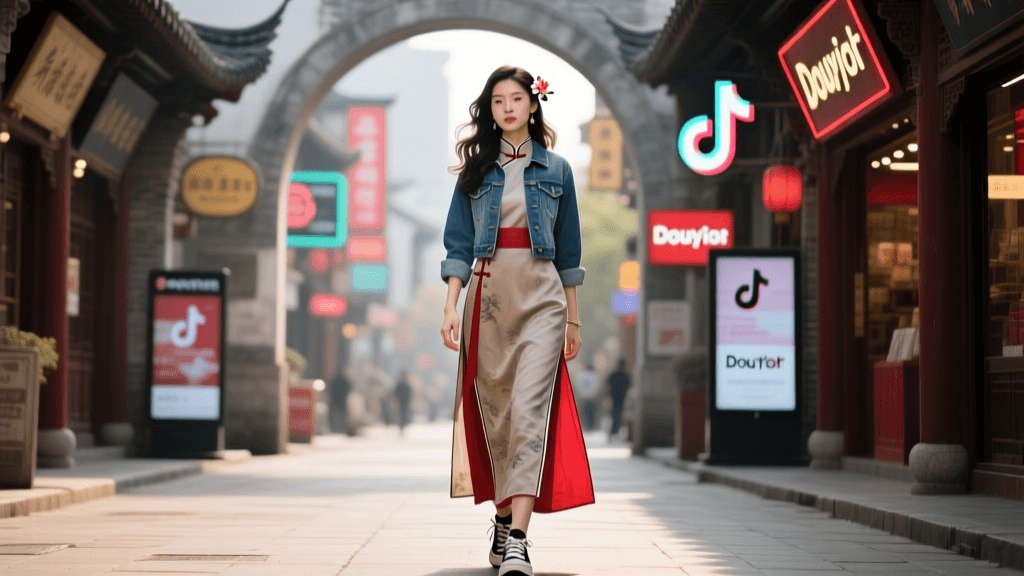
While full ceremonial Hanfu is perfect for dedicated photoshoots, navigating airports, train stations, and modern restaurants in a six-yard silk skirt can be impractical. This is where the 2026 Xin Zhongshi (New Chinese Style) movement becomes a traveler's best friend. Xin Zhongshi blends traditional tailoring—such as Mandarin collars, Pankou knot buttons, and Song-style pleated skirts—with modern, breathable fabrics and practical hemlines. Packing a few Xin Zhongshi pieces allows you to honor the culture during daily transit without the tripping hazards of formal wear.
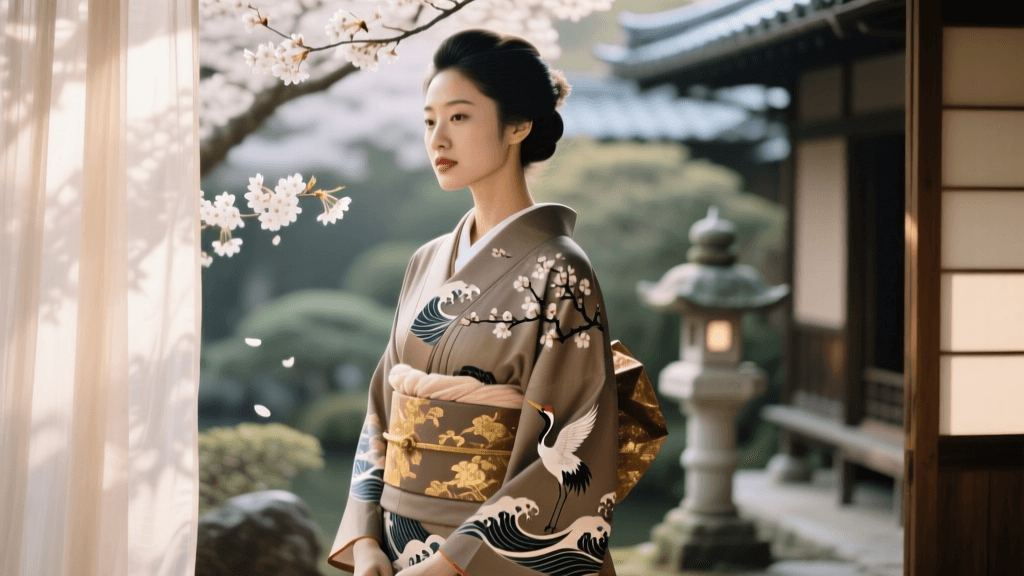
When traveling internationally, such as wearing Hanfu in Kyoto or Seoul, cultural etiquette is paramount. For deeper historical context on garment evolution and cross-cultural dress codes, the Victoria and Albert Museum's guide to Chinese dress offers invaluable insights into the historical significance of these textiles. Always ensure your garments are worn correctly (e.g., the left lapel crossing over the right, known as 'Jiaoling Youren'), as improper wear can be seen as disrespectful in traditional contexts.
Final Thoughts for the 2026 Traveler
Traveling with Hanfu in 2026 is a deeply rewarding experience that bridges the gap between ancient artistry and modern exploration. By investing in the right protective gear, mastering the archival folding techniques for your Mamianqun, and carefully selecting destinations that celebrate this heritage, you ensure that your garments remain as pristine as the memories you create. Pack thoughtfully, dress respectfully, and let the rich tapestry of Asian traditions elevate your next journey.