Hanfu on Global Runways: 2026 Couture Fashion Trends
The Rise of Hanfu Couture in 2026
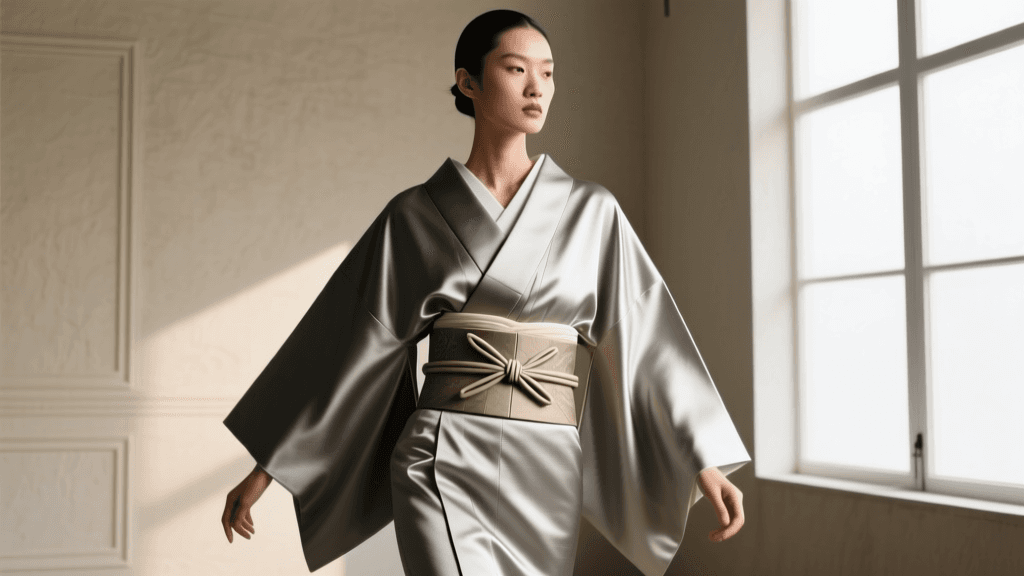
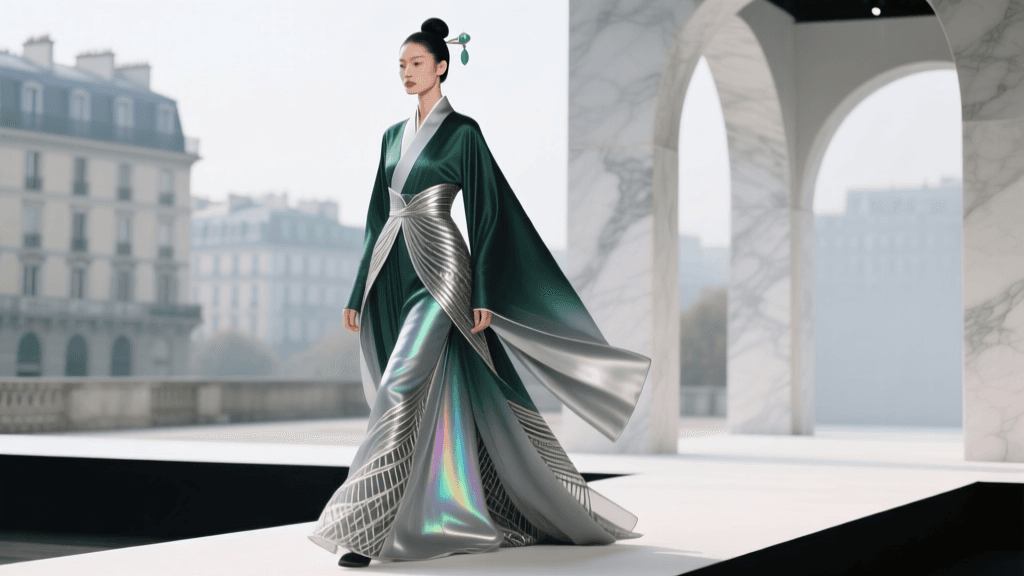
As we navigate the Spring/Summer and Fall/Winter 2026 fashion weeks across Paris, Milan, and New York, a profound sartorial shift is undeniable. Hanfu, the traditional clothing of the Han Chinese, has transcended its roots as a niche cultural revival movement to become a dominant force in global haute couture. No longer confined to street-style photography or historical reenactments, traditional Chinese garments are now being deconstructed, reimagined, and elevated on the world's most prestigious runways. In 2026, top-tier fashion houses and avant-garde designers are integrating ancient weaving techniques, structural silhouettes, and philosophical design elements into their flagship collections, signaling a new era of cross-cultural high fashion.
This integration is not merely about aesthetic appropriation; it is a deeply researched homage to textile history. Designers are collaborating directly with heritage artisans in provinces like Zhejiang and Guangdong, bringing intangible cultural heritage techniques to the global stage. According to the Business of Fashion's China market analysis, the luxury sector's pivot toward authentic, historically grounded Asian textiles has driven a 34% increase in cross-cultural couture collaborations this year alone.
Key Hanfu Silhouettes Dominating the Runways
The Mamianqun (Horse-Face Skirt) Reinvented
The Mamianqun, characterized by its flat front and back panels flanked by intricate pleats, has become the breakout star of the 2026 runway season. Originally popularized during the Ming Dynasty, this skirt offers a structural volume that rivals the classic Western crinoline, but with a distinctly fluid drape. On the Paris runways this year, we have seen the Mamianqun rendered in heavy, structured silks and even innovative bio-leathers. Designers are playing with the waistband (yaolan), often elongating it to create corset-like bodices that bridge the gap between 16th-century Chinese tailoring and modern avant-garde silhouettes.
Ruqun and Cross-Collar (Jiaoling Youren) Jackets
The Jiaoling Youren, or cross-collar right-over-left closure, is a foundational element of Hanfu that carries deep philosophical meaning, representing the harmony of yin and yang. In 2026, this collar style is being heavily featured in outerwear and tailored jackets. Milanese tailors have adapted the cross-collar into sharp, asymmetrical wool coats, maintaining the traditional geometric neckline while utilizing modern European draping techniques for the sleeves. The Ruqun (a blouse and skirt ensemble) is also being reimagined as high-fashion evening wear, with cropped, structured tops paired with flowing, floor-sweeping skirts.
Song Dynasty Beizi as Modern Outerwear
The Beizi, a long, open-front coat with side slits popular during the Song Dynasty, has emerged as the ultimate transitional layering piece for the 2026 Fall/Winter collections. Its straight, unrestrictive silhouette offers a minimalist elegance that appeals to contemporary luxury consumers. Runway stylists are layering sheer, organza Beizi over structured slip dresses, creating a play on transparency and modesty that honors traditional Chinese aesthetics while pushing the boundaries of modern evening wear.
Traditional Elements vs. 2026 Runway Adaptations
To understand how heritage garments are being translated for the modern luxury consumer, we must examine the specific alterations made by contemporary couture houses. Below is a breakdown of how traditional Hanfu elements are being adapted for the 2026 global runway.
| Traditional Element | 2026 Runway Adaptation | Key Designers / Styling Notes |
|---|---|---|
| Mamianqun (Pleated Skirt) | Asymmetrical hemlines, bio-resin pleat setting, integrated corsetry | Layered over architectural boots; waistbands extended to bustier |
| Jiaoling Youren (Cross Collar) | Asymmetrical wool tailoring, hidden magnetic closures | Sharp shoulder pads added; right-over-left strictly maintained |
| Beizi (Open Coat) | Oversized proportions, sheer technical organzas, metallic threading | Worn as duster coats over minimalist silk midi dresses |
| Yunjian (Cloud Shoulder) | Detachable 3D-printed TPU pieces, laser-cut leather appliques | Used as statement neckpieces over strapless couture gowns |
Fabric Innovation: Xiangyunsha and Kesi on the Global Stage
The true luxury of 2026 Hanfu couture lies in its textiles. The global fashion industry's growing obsession with sustainable, artisanal fabrics has brought Xiangyunsha (Gambiered Canton Gauze) to the forefront. This ancient silk dyeing technique, which uses the juice of the Dioscorea cirrhosa plant and iron-rich river mud, creates a fabric that is water-resistant, cooling, and possesses a distinctive crackled, leather-like patina. Recognized on the UNESCO Intangible Cultural Heritage list, Xiangyunsha is now being sourced directly by European luxury conglomerates for their exclusive capsule collections.
Similarly, Kesi (silk tapestry) weaving is being utilized to create hyper-detailed, pictorial motifs on runway garments. Unlike embroidery, Kesi involves weaving the design directly into the fabric using a "cut silk" technique, resulting in a reversible, incredibly durable textile. The Victoria and Albert Museum's Asian Collections frequently highlights the historical mastery of Kesi, and in 2026, modern artisans are scaling this technique to produce entire bolt-widths of couture fabric, featuring abstract, modernist interpretations of traditional Shan Shui (mountain and water) landscapes.
Sourcing and Styling Runway-Grade Hanfu in 2026
For fashion editors, stylists, and collectors looking to source authentic, high-end Hanfu for editorial shoots or personal couture collections, the market in 2026 offers several premium avenues. Here is an actionable guide to acquiring runway-grade pieces:
- Minghuatang: Renowned for museum-grade Ming Dynasty reproductions. Their heavy brocade Mamianqun and woven gold (Zhi Jin) jackets are ideal for high-fashion editorial work. Price Range: $800 - $2,500. Lead Time: 2-4 months for custom weaving.
- Chuyi: Specializes in Song Dynasty aesthetics, focusing on lightweight, elegant silhouettes and natural plant dyes. Perfect for layered, ethereal runway styling. Price Range: $300 - $900.
- Custom Xiangyunsha Commissions: For bespoke outerwear, stylists are commissioning directly from heritage workshops in Shunde, Guangdong. Cost: Starting at $1,500 for raw fabric, plus tailoring. Timing: Must be ordered during the specific sun-drying season (July to September).
Crucial Measurement Note: Traditional Hanfu relies on flat cutting rather than Western darts and seams. When ordering for runway models, stylists must provide the arm span (fingertip to fingertip) to ensure the proper drop of the traditional wide sleeves, alongside the standard bust, waist, and high-hip measurements required for the wrap skirts.
Market Impact and Consumer Adoption
The presence of Hanfu on global runways is directly influencing consumer retail markets. In 2026, the "new Chinese style" (Xin Zhong Shi) has evolved from a domestic trend into a global luxury category. International consumers are increasingly seeking out the structural elegance of the Mamianqun as a versatile alternative to the Western pleated midi skirt, pairing it with modern knitwear and tailored blazers. The fusion of historical accuracy with modern wearability has created a robust secondary market for vintage and artisanal Hanfu pieces, with auction houses reporting record-breaking sales for 20th-century antique textiles and contemporary master-weaver commissions.
Conclusion
The integration of Hanfu into the 2026 global runway circuit represents a maturation of cross-cultural fashion design. It is a celebration of structural ingenuity, sustainable textile heritage, and profound philosophical aesthetics. As designers continue to collaborate with heritage artisans, the boundary between ancient tradition and futuristic couture will only blur further, cementing Hanfu's rightful place in the permanent lexicon of global high fashion.