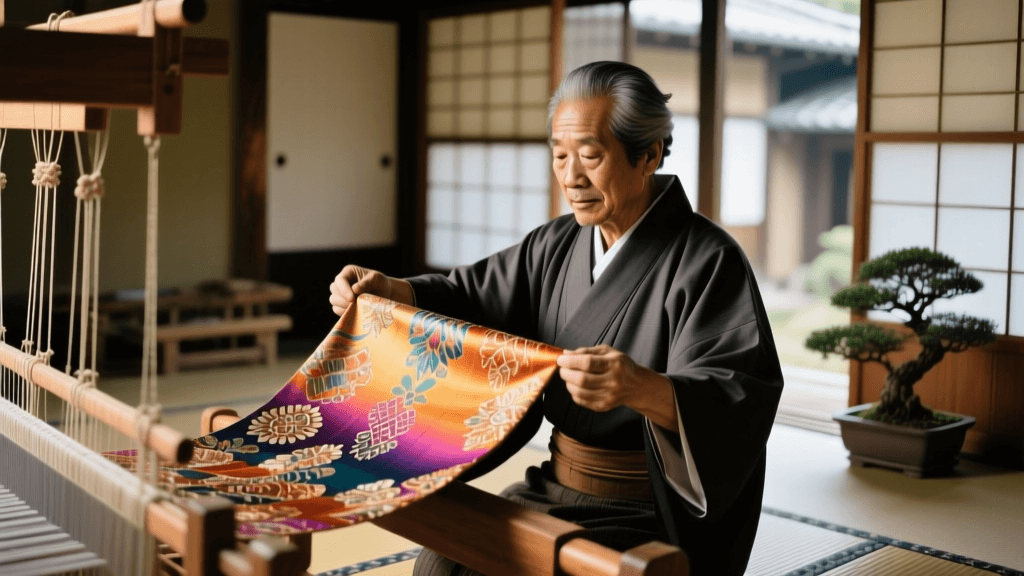
Kimono Fashion and Motifs in Ukiyo-e Woodblock Art
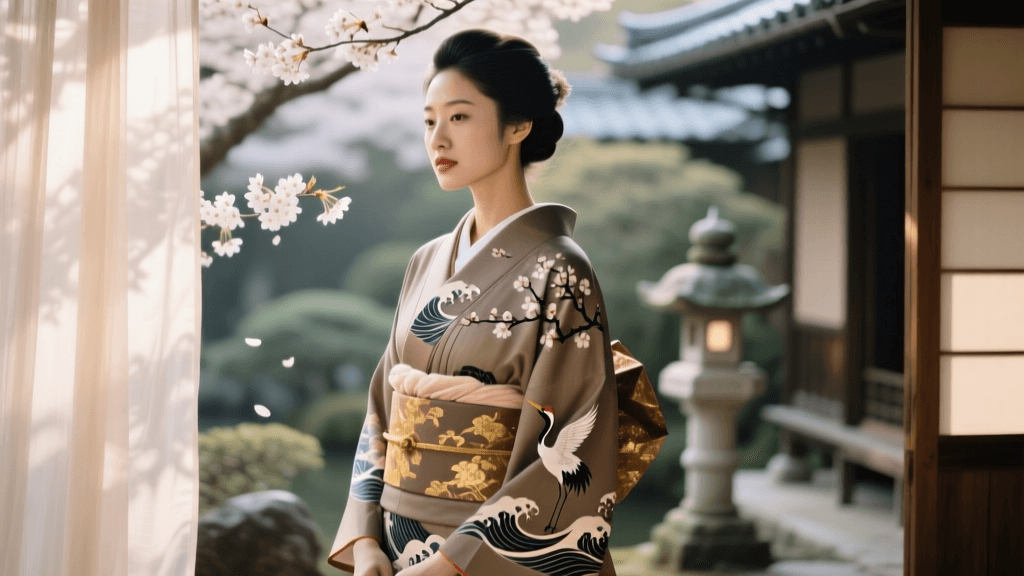
The Original Fashion Magazines of Edo-Period Japan
Long before the advent of modern fashion publications, the bustling streets of Edo (modern-day Tokyo) relied on a different medium to dictate the latest trends: ukiyo-e woodblock prints. Translated as 'pictures of the floating world,' ukiyo-e captured the vibrant, ephemeral lifestyle of the merchant class, kabuki actors, and courtesans. For the modern enthusiast of Asian traditions, these prints are not merely beautiful artworks; they are invaluable historical documents that chronicle the evolution of the Japanese kimono, textile techniques, and sartorial etiquette.
By studying ukiyo-e, contemporary kimono collectors, textile artists, and historians can decode the complex language of Edo-period fashion. From the subtle placement of a family crest to the daring color combinations made possible by new dyeing techniques, woodblock prints offer a masterclass in traditional Japanese aesthetics. This guide will explore how to read the garments depicted in these prints, understand the evolution of the kimono silhouette, and provide actionable advice for collecting and preserving ukiyo-e fashion art today.
The Kosode: Edo Japan's Ultimate Fashion Canvas
To understand kimono fashion in ukiyo-e, one must first understand the kosode. Often mistakenly translated simply as 'kimono,' the kosode (meaning 'small sleeves') was the foundational T-shaped robe of the Edo period. According to The Metropolitan Museum of Art's comprehensive guide to the Kosode, this garment evolved from a humble undergarment worn by the aristocracy in the Heian period to the primary outer garment for both men and women by the late Muromachi and Edo periods.
In ukiyo-e prints, the kosode serves as the ultimate canvas for artistic expression. Because the garment's structure remained relatively uniform—a straight-seamed, T-shaped robe with no tailoring to the body's curves—the wearer's status, wealth, and aesthetic sensibility were communicated entirely through the textile's surface design, material, and layering. Artists like Kitagawa Utamaro and Suzuki Harunobu meticulously documented the intricate yuzen dyeing techniques, elaborate embroidery, and gold-leaf application that adorned the kosode of high-ranking courtesans and wealthy merchant wives.
Decoding Motifs: The Hidden Language of Ukiyo-e Textiles
The motifs depicted on the garments in ukiyo-e prints were never arbitrary. Edo-period Japan operated on a deeply ingrained system of visual symbolism, heavily influenced by poetry, seasonal changes, and auspicious wishes. A well-dressed woman in an ukiyo-e print would wear motifs appropriate not only to her age and marital status but also to the exact season and even the specific month.
For modern kimono wearers and textile collectors, learning to identify these motifs is essential for adhering to traditional dress codes. Below is a structured guide to the most common motifs found in ukiyo-e fashion prints and their traditional meanings.
| Motif Category | Specific Design | Seasonality | Symbolic Meaning in Edo Fashion |
|---|---|---|---|
| Floral | Sakura (Cherry Blossom) | Spring | Ephemeral beauty, renewal, and the fleeting nature of life. |
| Floral | Botan (Peony) | Spring/Summer | Wealth, prosperity, and bravery; often worn by high-ranking courtesans. |
| Botanical | Matsu (Pine) | Winter/New Year | Longevity, endurance, and steadfastness. |
| Natural | Seigaiha (Ocean Waves) | All Seasons | Good fortune, resilience, and the surging power of nature. |
| Object | Ogi (Folding Fan) | Summer | Prosperity spreading outward; cooling relief and elegance. |
| Animal | Tsuru (Crane) | Winter/Celebratory | Longevity (said to live 1,000 years) and marital fidelity. |
Silhouette and Structure: Tracing the Evolution of the Obi
One of the most fascinating aspects of studying ukiyo-e chronologically is observing the structural evolution of the kimono silhouette, particularly the obi (sash). In the early Edo period (17th century), the obi was a narrow, practical cord or thin sash used simply to hold the kosode closed. However, as the textile industry boomed and the merchant class amassed wealth, the obi became a central focal point of fashion.
By the Genroku era (1688–1704), ukiyo-e prints show women wearing wider, more decorative obi. By the late 18th and early 19th centuries (the Bunka-Bunsei period), the obi had widened dramatically, sometimes reaching up to 30 centimeters in width, and the knot had migrated from the front to the back. This shift was not merely aesthetic; it was a practical response to the increasingly heavy and voluminous brocades used in formal wear. The intricate knots depicted in prints by artists like Utagawa Toyokuni required the assistance of a dresser, signaling the wearer's high status and wealth.
The Impact of Sumptuary Laws on Ukiyo-e Fashion
The Tokugawa shogunate frequently enacted sumptuary laws (ken'yakurei) to curb the ostentatious spending of the merchant class and enforce strict social hierarchies. These laws heavily influenced the fashion depicted in ukiyo-e. When laws banned the use of vibrant colors, expensive silks, and elaborate yuzen dyeing, the merchant class responded with the aesthetic of iki (subtle, understated elegance).
Ukiyo-e prints from the Kansei era (1787–1793) and beyond often depict women wearing garments that appear modest on the outside—featuring subdued stripes, plaids, or dark navy kongasu (indigo) fabrics. However, the true luxury was hidden: exquisite, vibrant silk linings, intricately dyed inner collars, and subtle motifs placed only at the hem or inside the sleeves. This concept of hidden luxury remains a cornerstone of high-end kimono fashion today.
A Collector's Guide to Ukiyo-e Fashion Prints
For art collectors and kimono enthusiasts looking to acquire ukiyo-e prints featuring traditional garments, understanding the market, formats, and eras is crucial. The condition of the paper, the vibrancy of the fugitive pigments (such as early synthetic aniline dyes or organic safflower reds), and the reputation of the artist all dictate value.
Below is a practical buyer's guide to help you navigate the ukiyo-e market, complete with standard dimensions and estimated price ranges for fashion-centric prints (such as bijinga, or 'pictures of beautiful women').
| Print Format | Dimensions (Approx.) | Era Focus | Market Price Range (USD) | Collector Notes |
|---|---|---|---|---|
| Oban | 25 x 38 cm (10 x 15 in) | Mid-Edo to Meiji | $300 - $5,000+ | The most common and desirable size. Pristine Utamaro or Sharaku oban prints can exceed $20,000. |
| Chuban | 18 x 25 cm (7 x 10 in) | Early to Mid-Edo | $150 - $1,500 | Smaller, often used for early works by Harunobu. Excellent for collectors with limited wall space. |
| Hashira-e | 12 x 33 cm (5 x 13 in) | Mid-Edo | $200 - $2,000 | Pillar prints. Often feature full-length standing figures, making them ideal for studying kimono layering and hemlines. |
| Triptych | 75 x 38 cm (30 x 15 in) | Late Edo to Meiji | $500 - $8,000 | Three oban sheets joined. Offers expansive views of kimono patterns and group fashion dynamics. |
Preservation and Framing: Actionable Conservation Advice
Ukiyo-e prints were created using washi (traditional Japanese mulberry paper) and organic or early synthetic pigments that are highly sensitive to light, humidity, and acidic materials. If you purchase an Edo or Meiji period print featuring kimono fashion, proper conservation framing is non-negotiable.
- Glazing: Never use standard glass. Invest in UV-filtering acrylic, such as Optium Museum Acrylic, which blocks 99% of UV rays and is anti-static. Expect to pay between $150 and $300 for custom-cut museum-grade acrylic.
- Matting: Use only 100% cotton rag mat board that is acid-free and lignin-free. The print should be attached to the backing board using Japanese kozo paper hinges and wheat starch paste. Never use pressure-sensitive tapes or dry-mounting, as these will permanently damage the washi paper and drastically reduce the print's value.
- Lighting and Placement: Hang framed prints in hallways or rooms with minimal direct sunlight. Keep ambient light levels below 50 lux. If displaying in a brightly lit room, rotate the prints every 3 to 6 months, storing the resting prints in acid-free folios in a climate-controlled environment (ideally 20°C and 50% relative humidity).
Digital Archives and Authoritative Research
Before making a purchase or attempting to identify a specific kimono motif in a print, it is highly recommended to consult authoritative digital archives. The Metropolitan Museum of Art's Heilbrunn Timeline of Art History provides exceptional, peer-reviewed essays on the technical and cultural development of ukiyo-e woodblock printing. Additionally, the Art Institute of Chicago and the Smithsonian National Museum of Asian Art offer high-resolution, open-access databases where you can zoom in on the minute details of textile patterns, obi knots, and hair ornaments depicted in historical prints.
By bridging the gap between historical art and modern textile appreciation, ukiyo-e remains an essential tool for anyone passionate about the rich, layered traditions of Japanese garment culture. Whether you are a collector seeking a pristine Genroku-era print, a kimono stylist looking for authentic motif pairings, or a historian tracing the socio-economic impacts of sumptuary laws, the 'floating world' of woodblock fashion continues to offer endless inspiration and insight.