Kimono Kitsuke: A Slow Fashion Mindfulness Ritual For 2026
The Intersection of Heritage Garments and Mental Wellbeing
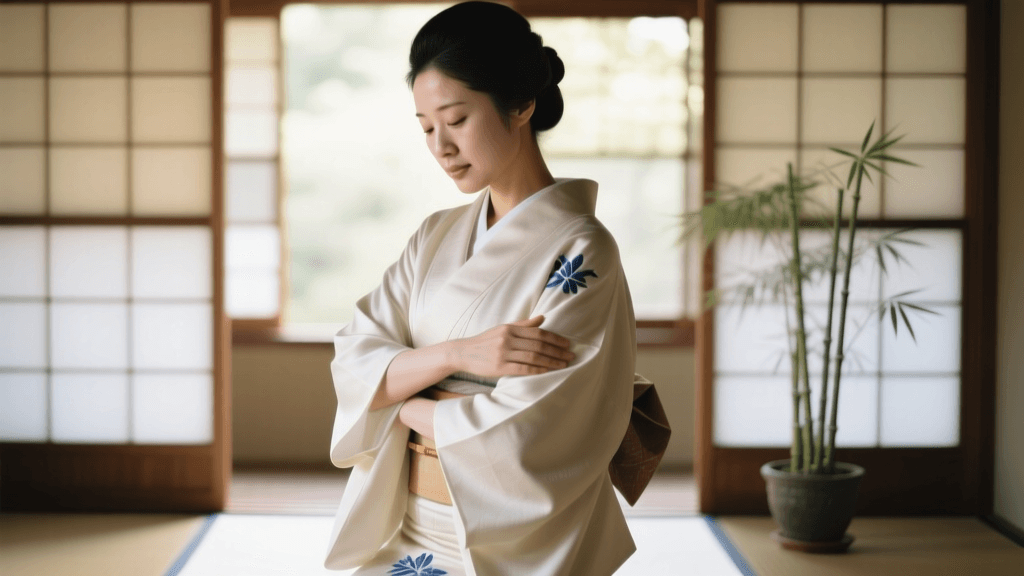
In the cultural zeitgeist of 2026, the global conversation surrounding fashion has undergone a profound paradigm shift. Moving far beyond mere aesthetics and seasonal trends, consumers and wellness advocates alike are increasingly turning to "wardrobe wellness"—the practice of using clothing as a tool for mental grounding, intentionality, and holistic health. At the forefront of this movement is the traditional Japanese art of kitsuke (kimono dressing). Far from being a relic of the past, the meticulous, deliberate process of wrapping oneself in layers of silk and cotton has emerged as a powerful mindfulness ritual. As we navigate an era defined by digital saturation and hyper-connectivity, the physical and mental discipline required to wear a kimono offers a profound antidote to modern burnout.
What is Kitsuke? The Meditative Art of Kimono Dressing
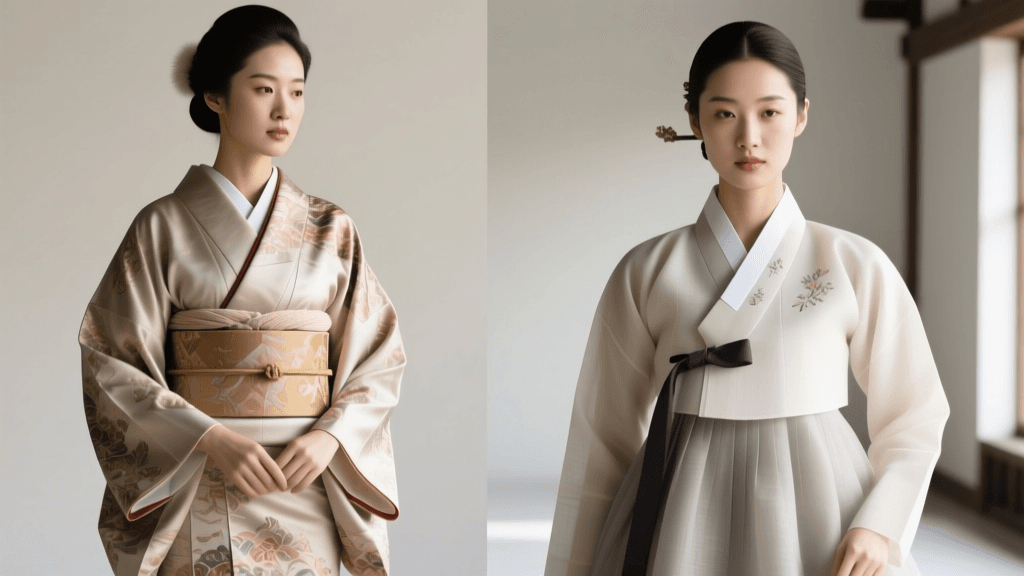
Kitsuke is the formalized method of wearing traditional Japanese garments. Unlike Western clothing, which is typically tailored to the exact contours of the body and fastened with buttons or zippers, the kimono is a flat, T-shaped garment that requires folding, wrapping, and tying. This process demands presence. You cannot rush the alignment of the collar, the smoothing of the back panel, or the precise tension of the obi (sash). According to the Victoria and Albert Museum's comprehensive guide on the Kimono, the garment is not merely a covering but a canvas of cultural expression and structural artistry. When approached as a daily or weekly wellness practice, the structural requirements of the kimono force the wearer to slow down, regulate their breathing, and engage in deep somatic awareness.
Slow Fashion in 2026: The Kimono as an Antidote to Hyper-Consumption
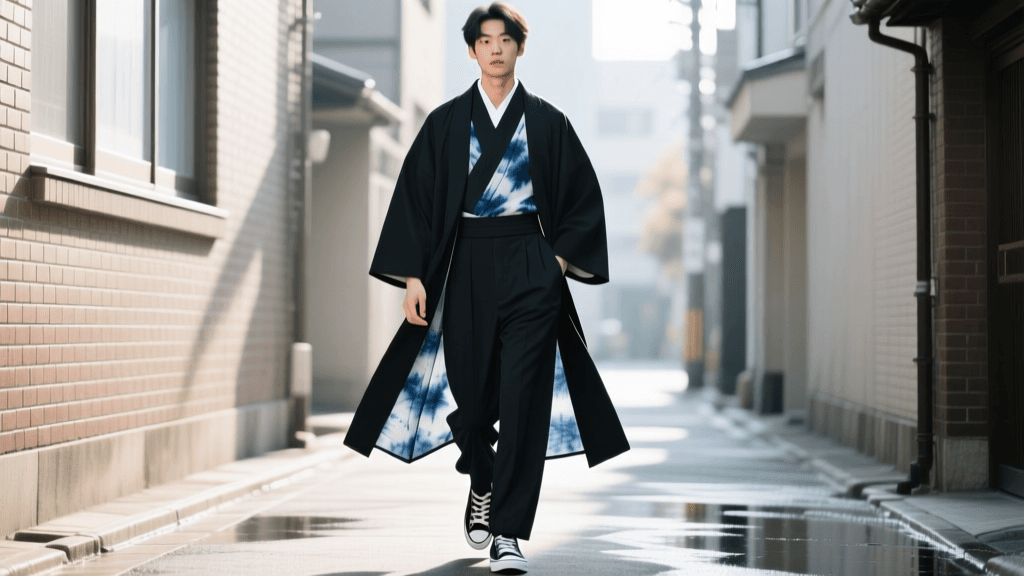
The slow fashion movement has reached maturity in 2026, driven by a collective demand for sustainability, longevity, and ethical production. The kimono embodies the very essence of this philosophy. A well-cared-for silk kimono can last for generations, often being passed down, resized, or repurposed into new garments or household items. This stands in stark contrast to the planned obsolescence of contemporary fast fashion. Organizations like Fashion Revolution have long championed the need for a systemic overhaul of the garment industry, advocating for clothes that are made to last and cherished by their owners. By integrating vintage and upcycled kimonos into our modern wardrobes, we participate in a circular economy that honors the labor, artistry, and natural resources required to produce these exquisite textiles.
A Step-by-Step Mindful Kitsuke Ritual for Daily Grounding
To harness the wellness benefits of traditional Japanese clothing, you do not need to be a certified kitsuke instructor. You can adapt the process into a 15-minute morning grounding ritual using a lightweight yukata (cotton summer kimono) or a casual komon (everyday silk kimono). Here is how to approach the process mindfully:
- Step 1: Clearing the Space and Intention Setting (2 Minutes)
Begin by laying your garments flat on a clean surface. Smooth out the fabric with open palms, feeling the texture of the weave. Take three deep, diaphragmatic breaths, setting an intention for the day. This tactile engagement signals to your nervous system that it is time to transition from rest to mindful action. - Step 2: The Juban and Postural Alignment (3 Minutes)
Put on your hadajuban (undergarment) and nagajuban (robe). As you tie the koshihimo (waist ties), focus on your posture. The kimono naturally encourages an upright spine and relaxed shoulders. Feel the gentle compression of the cotton ties against your waist, using it as a physical cue to engage your core and stand tall. - Step 3: Wrapping the Kimono and Finding 'Ma' (5 Minutes)
Drape the kimono over your shoulders. Align the back seam perfectly with the center of your spine. As you wrap the left panel over the right, pay attention to the concept of ma (negative space). Ensure the collar forms a neat, even V-shape at the nape of your neck, allowing a fist's width of space. This physical space represents mental clarity and breathability. - Step 4: Tying the Obi with Focused Tension (5 Minutes)
Wrap the obi around your waist. As you pull the fabric taut, synchronize your movements with your exhales. The firm, supportive pressure of the obi acts similarly to a weighted blanket, providing deep proprioceptive input that calms the central nervous system. Tie a simple bunko (bow) knot, focusing entirely on the geometry of the folds.
The Wellness Impact of Traditional Japanese Dress
The benefits of practicing kitsuke extend far beyond the aesthetic appeal of the final outfit. The table below outlines how the specific elements of kimono dressing contribute to holistic wellbeing in 2026.
| Practice Element | Mindfulness & Wellness Benefit | Slow Fashion & Environmental Impact |
|---|---|---|
| Tactile Fabric Preparation | Grounds the nervous system through sensory engagement with natural fibers like silk, hemp, and cotton. | Encourages the purchase of natural, biodegradable textiles over synthetic micro-plastic fabrics. |
| Postural Alignment | Promotes spinal health, diaphragmatic breathing, and physical confidence through structural garment support. | Extends the lifespan of the garment by preventing uneven wear and tear caused by poor posture. |
| Deliberate Wrapping (Ma) | Cultivates patience and present-moment awareness; reduces cortisol levels by forcing a slower pace. | Eliminates the need for elastic, zippers, and buttons, which are often non-recyclable components of modern clothing. |
| Obi Compression | Provides deep pressure therapy, similar to a weighted vest, reducing anxiety and improving focus. | Obis are often repurposed from vintage textiles, supporting the upcycling and circular fashion economy. |
The Sensory Experience: Neuro-Aesthetics and Heritage Textiles
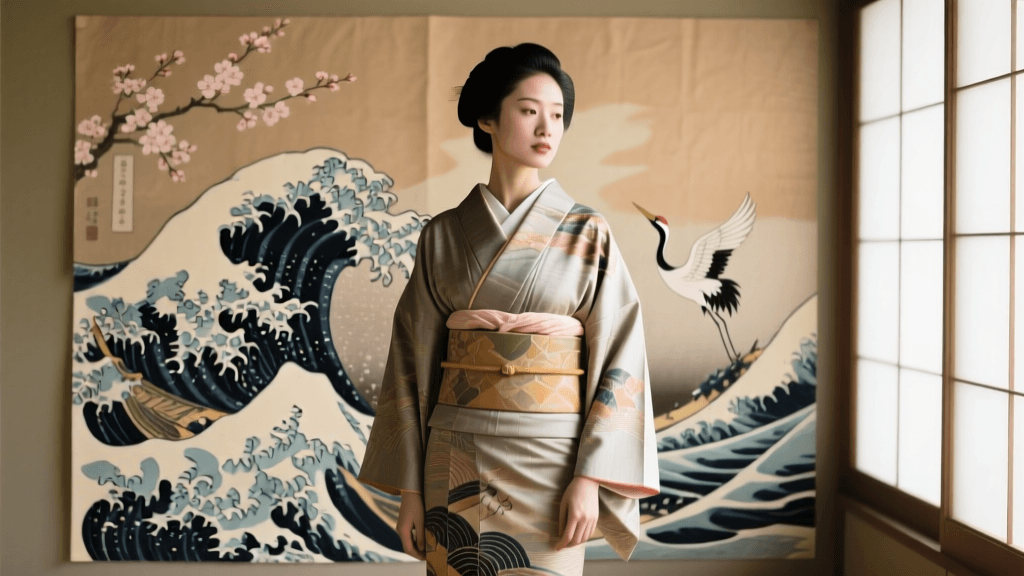
In 2026, the field of neuro-aesthetics has provided scientific backing to what traditional artisans have known for centuries: the materials we surround ourselves with directly impact our cognitive state. The sensory experience of wearing a kimono is unparalleled. The cool, smooth touch of chirimen (crepe silk) against the skin, the subtle rustling sound known as kinagari when the layers move, and the faint, natural scent of camphor wood from the storage chests all combine to create a multi-sensory grounding experience. As defined by experts at Mindful.org, mindfulness is the basic human ability to be fully present, aware of where we are and what we are doing. The rich sensory feedback loop provided by heritage Japanese textiles anchors the wandering mind firmly in the present moment, making kitsuke an active, moving meditation.
Sourcing and Caring for Mindful Garments in 2026
Building a mindful kimono collection does not require purchasing brand-new, expensive silk garments. In fact, the most sustainable and authentic approach is to embrace the thriving secondhand and vintage market. In 2026, online platforms and specialized local boutiques offer an abundance of pre-loved kimonos. When sourcing, look for garments made from natural fibers like ro (summer gauze weave) or tsumugi (pongee silk), which offer beautiful textures and exceptional breathability.
Caring for your kimono is also an extension of the mindfulness practice. Instead of relying on harsh chemical dry cleaning, modern slow-fashion advocates utilize eco-friendly garment steamers and natural, plant-based spot treatments. After wearing, the kimono should be hung on a wide wooden hanger in a well-ventilated space, allowing the fibers to breathe and release any absorbed moisture. This ritual of care fosters a deep, long-term relationship with your garments, transforming them from mere objects into trusted companions on your wellness journey.
Conclusion: Wrapping Yourself in Intention
As we continue to navigate the complexities of the mid-2020s, the ancient art of kitsuke offers a sanctuary of calm. It is a testament to the power of slow fashion, proving that what we choose to wear can be a profound act of self-care and environmental stewardship. By dedicating just fifteen minutes to the mindful wrapping of a kimono, you are not just getting dressed; you are wrapping yourself in intention, history, and a deep, abiding sense of inner peace. Embrace the ritual, honor the textiles, and let the art of the kimono guide you toward a more grounded, mindful existence.