Ceremonial vs Everyday Kimono and Hanbok: 2026 Guide
The Evolution of Asian Traditional Dress in 2026
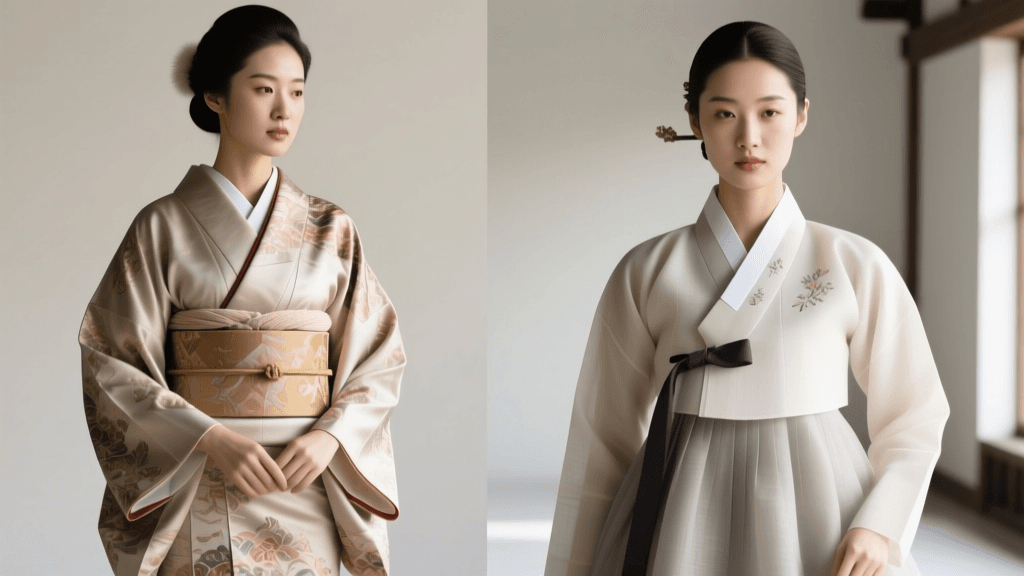
As we navigate the fashion landscape of 2026, the distinction between ceremonial and everyday traditional Asian garments has never been more dynamic. While strict sartorial rules continue to govern formal events, the modern renaissance of daily traditional wear has introduced innovative fabrics, relaxed silhouettes, and hybrid styling techniques. For enthusiasts, collectors, and cultural practitioners, understanding the nuanced differences between ceremonial and everyday iterations of the Japanese kimono and the Korean hanbok is essential. This guide explores the structural, material, and cultural divides between these iconic garments, offering actionable advice for sourcing, styling, and maintaining them in the current year.
The Japanese Kimono: From Furisode to Yukata
The Japanese kimono is a masterclass in textile art and structural geometry. However, the term 'kimono' encompasses a vast spectrum of garments, each dictated by the wearer's age, marital status, and the formality of the occasion.
Ceremonial Kimono: Rules and Opulence
Ceremonial kimono are characterized by their luxurious materials, complex dyeing techniques, and strict wearing protocols. The Furisode, worn exclusively by unmarried women for events like the Coming of Age Day (Seijin-shiki), is defined by its dramatically long, swinging sleeves that can measure up to 114 centimeters in drop length. These garments are typically crafted from heavy, high-grade silk crepe (chirimen) and feature elaborate Yuzen dyeing or gold-leaf embroidery.
For married women, the Kurotomesode (black with crests and patterns only below the waist) and Houmongi (visiting wear with continuous patterns across seams) serve as the pinnacle of formal attire. In 2026, a brand-new, custom-tailored Furisode or Kurotomesode ensemble—including the silk undergarments (nagajuban), heavily brocaded obi sash, and ceremonial accessories—typically ranges from $3,500 to over $9,000 USD. The wearing process requires a licensed kitsuke (kimono dressing) professional, as the precise folding and tying of the formal fukuro obi can take up to 45 minutes.
Everyday Kimono: Practicality Meets Tradition
On the opposite end of the spectrum is everyday wear, designed for mobility, ease of care, and personal expression. The Komon features small, repeating patterns suitable for casual outings, theater visits, or dining. According to the Victoria and Albert Museum, the kimono's T-shaped structure allows for remarkable versatility, and modern everyday iterations often utilize washable polyester blends or lightweight wools.
The Yukata is the ultimate everyday summer garment. Originally a bathhouse robe, it is now the standard attire for summer festivals (matsuri) and fireworks displays. Unlike formal kimono, yukata are made from unlined cotton, hemp, or modern cooling-tech synthetic blends. They are worn directly against the skin without a nagajuban, secured with a simple, lightweight hanhaba obi. In 2026, high-quality yukata sets are highly accessible, retailing between $80 and $250 USD, and can be machine-washed and self-dressed in under ten minutes.
The Korean Hanbok: Myeongjeol vs. Saenghwal
The Korean hanbok is celebrated for its vibrant colors, elegant curves, and graceful movement. Like the kimono, it is strictly categorized by its intended use, though the 2026 'New Hanbok' movement has significantly blurred the lines of everyday wear.
Ceremonial Hanbok: Silk and Symbolism
Ceremonial hanbok, often referred to as Myeongjeol (festive) or formal hanbok, is reserved for major holidays like Chuseok and Seollal, weddings, and first-birthday celebrations (doljanchi). These garments are traditionally constructed from premium silk, ramie, or fine hemp. The women's ensemble consists of a voluminous chima (skirt) and a short jeogori (jacket), often layered with a dangui (ceremonial coat) or hwarot (bridal robe).
The colors of ceremonial hanbok are deeply symbolic, often reflecting the Obangsaek (traditional five-color spectrum) to represent harmony and the cosmos. The structural integrity of the chima requires a stiff, structured waistband and precise pleating to achieve the iconic bell-like silhouette. As documented by the National Folk Museum of Korea, the preservation of these traditional silhouettes remains a vital part of Korean cultural heritage. A full ceremonial silk hanbok set in 2026 costs between $800 and $3,500 USD and requires professional dry cleaning and specialized storage to prevent the silk from warping.
Everyday Hanbok: The 2026 Modern Renaissance
Everyday hanbok, known as Saenghwal (daily) or Gaeryang (improved) hanbok, has exploded in popularity over the last decade, culminating in the sophisticated street-style adaptations seen in 2026. Designers have shortened the jeogori, simplified the chima into A-line midi skirts, and introduced practical closures like hidden zippers and elastic waistbands.
Fabric innovation is the hallmark of the 2026 everyday hanbok. Designers frequently utilize shape-memory linens, wrinkle-resistant cotton blends, and breathable Tencel. These materials allow the garments to be machine-washed and ironed with minimal effort. Priced affordably between $120 and $350 USD, everyday hanbok are frequently styled with modern wardrobe staples: a crisp white button-down shirt beneath the jeogori, or paired with chunky sneakers and minimalist leather crossbody bags, making them entirely suitable for office environments and casual weekend wear.
2026 Comparison Chart: Ceremonial vs. Everyday Garments
To help you navigate your purchasing and styling decisions, refer to the comprehensive comparison table below detailing the core differences across both cultures.
| Garment Type | Origin | Primary Use | 2026 Avg. Price (USD) | Primary Fabrics | Maintenance |
|---|---|---|---|---|---|
| Furisode / Tomesode | Japan | Weddings, Coming of Age, Tea Ceremonies | $3,500 - $9,000+ | Heavy Silk Crepe, Brocade | Professional spot-cleaning, specialized airing |
| Yukata / Komon | Japan | Summer festivals, casual outings, lounging | $80 - $250 | Cotton, Hemp, Cooling Synthetics | Machine washable, easy home ironing |
| Myeongjeol Hanbok | Korea | Chuseok, Seollal, Weddings, Doljanchi | $800 - $3,500 | Pure Silk, Ramie, Organza | Dry clean only, padded hanger storage |
| Saenghwal Hanbok | Korea | Daily office wear, casual street style, travel | $120 - $350 | Cotton blends, Linen, Tencel | Machine washable, wrinkle-resistant |
Sourcing, Footwear, and Care in 2026
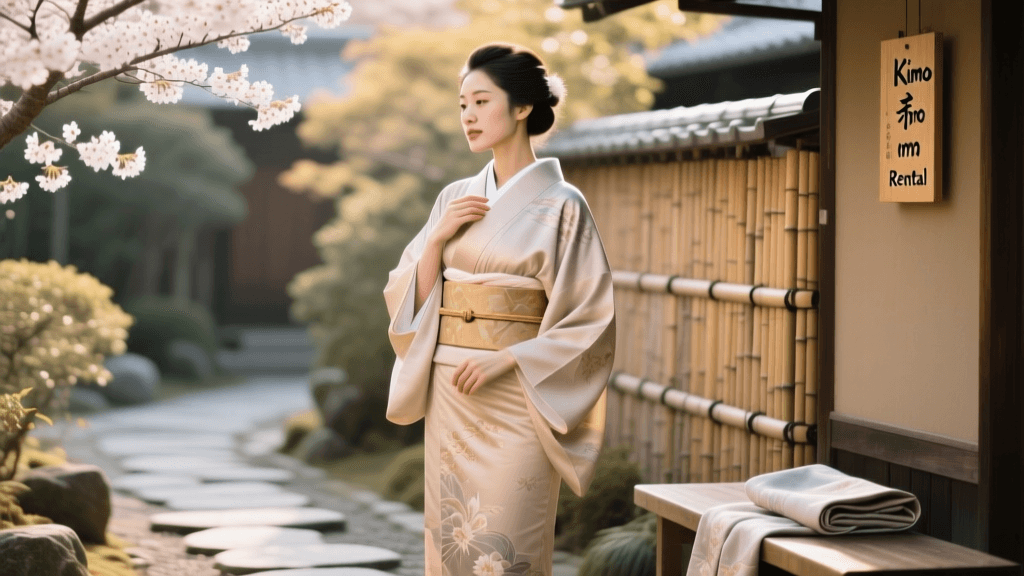
When sourcing these garments in 2026, the market offers both traditional artisan routes and modern e-commerce solutions. For ceremonial kimono, visiting established districts like Kyoto's Nishijin or Tokyo's Nihonbashi remains the gold standard for bespoke tailoring. However, for everyday yukata and saenghwal hanbok, online platforms and modern boutiques in Seoul's Bukchon Hanok Village offer extensive, ready-to-wear collections that ship globally.
Footwear Pairings
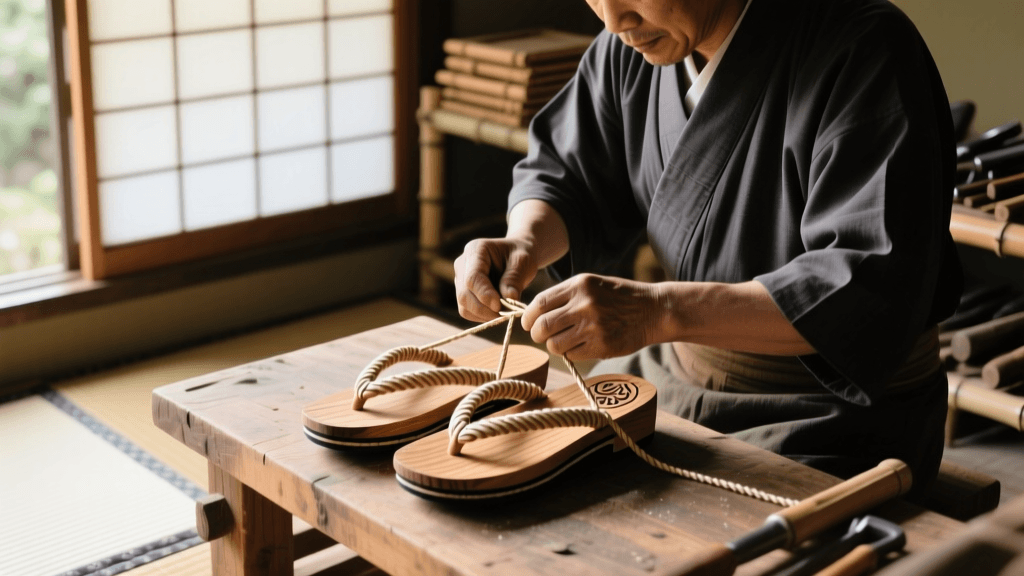
Footwear is just as critical as the garment itself. Ceremonial kimono require formal zori (sandals) paired with pristine white tabi (split-toe socks). In 2026, everyday kimono styling frequently incorporates modernized, ergonomic tabi boots or even minimalist leather loafers. For ceremonial hanbok, traditional hwa (embroidered silk boots) or kotsin are mandatory. Conversely, the 2026 everyday hanbok aesthetic fully embraces contemporary footwear, with white leather sneakers and Mary Janes being the most popular choices among young professionals in Seoul and Tokyo.
Modern Care Technologies
Maintenance of traditional garments has been revolutionized by recent textile technologies. Many 2026 ceremonial silk kimono and hanbok now feature invisible nano-coatings applied at the atelier, providing hydrophobic protection against rain and accidental spills without altering the silk's natural drape or breathability. For everyday garments, the integration of shape-memory fibers means that cotton and linen hanbok skirts can be pulled directly from the washing machine and hung to dry, eliminating the need for the heavy steam-ironing that historically burdened daily traditional dress wearers.
Conclusion
The dichotomy between ceremonial and everyday traditional garments in Japan and Korea highlights a beautiful balance between preserving ancient heritage and embracing modern practicality. Whether you are investing in a meticulously crafted silk Furisode for a once-in-a-lifetime ceremony, or adopting a breathable linen Saenghwal Hanbok for your daily commute, understanding these distinctions ensures you honor the culture while seamlessly integrating it into your 2026 lifestyle.