Geta & Zori Craft: Traditional Japanese Footwear Guide 2026
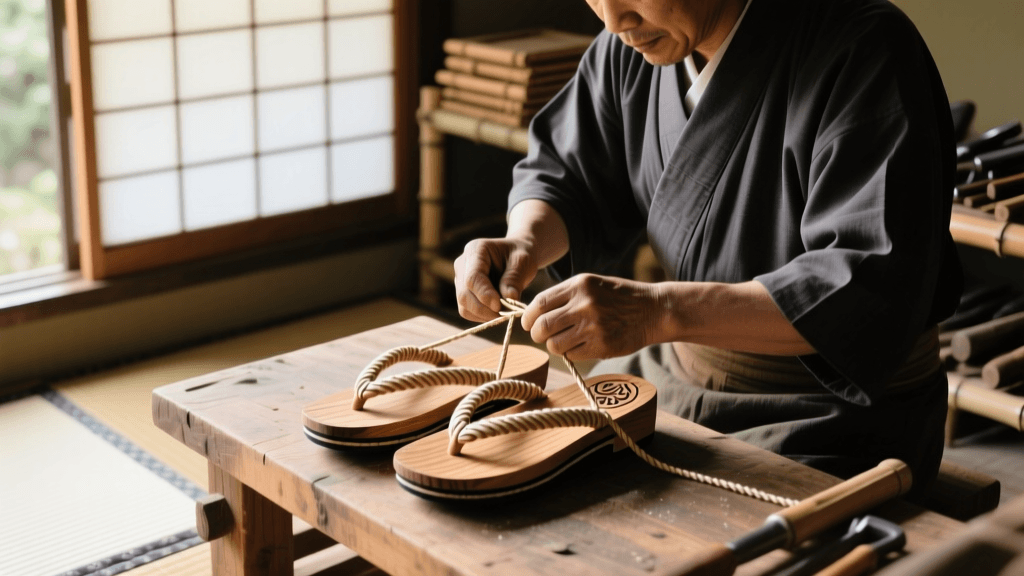
In 2026, the global appreciation for heritage craftsmanship has reached new heights, and traditional Japanese footwear is experiencing a remarkable renaissance. Once relegated primarily to summer festivals and formal ceremonies, geta (wooden clogs) and zori (flat sandals) are now being integrated into contemporary street fashion and daily wardrobes. This revival is not just a fleeting trend; it is a conscious movement toward sustainable, artisan-made garments that honor centuries of Japanese cultural history. At The Garment Atlas, we explore the intricate craft, modern evolution, and practical wearing guide for traditional Japanese footwear in the current landscape of 2026.
The Anatomy of Traditional Japanese Footwear
To appreciate the craftsmanship, one must first understand the structural anatomy that distinguishes Japanese footwear from Western shoes. Unlike modern sneakers that enclose the entire foot, geta and zori are designed to liberate the toes, promote airflow, and alter the wearer's posture and gait.
Core Components
- Dai (Base): The main body of the footwear. For geta, this is typically a solid block of carved wood. For zori, it is a flat, woven, or leather-covered platform.
- Ha (Teeth): The protruding wooden blocks on the bottom of traditional geta. Most common are two-teeth geta, though ipponba (single-tooth) and sanbonba (three-tooth) variations exist for specialized performances or rugged terrain.
- Hanao (Thong): The V-shaped strap that secures the foot to the dai. It passes through three holes in the base and is tied with specialized artisan knots hidden inside the wood or base material.
The Artisan Craft: Woodworking and Hanao Tying
The creation of authentic geta is a masterclass in woodworking and textile tension. In 2026, the most prized material for the dai remains Paulownia wood, known in Japan as kiri. According to the Japan Traditional Crafts Association, Paulownia is favored for its exceptional lightweight properties, natural moisture-wicking capabilities, and beautiful, pale grain. Sustainable harvesting of Paulownia has become a major focus in 2026, with artisan cooperatives in regions like Niigata and Shizuoka ensuring that trees are harvested at the optimal 5-to-7-year growth cycle to prevent deforestation while maintaining the wood's structural integrity.
The shaping of the dai requires an intimate understanding of foot ergonomics. Master geta-shi (footwear artisans) carve a subtle incline and contour the wood to cradle the arch, ensuring that the weight is distributed evenly. While some rough cutting is assisted by precision machinery, the final sanding, beveling, and polishing are done entirely by hand to preserve the wood's natural cellular structure, which provides a soft, forgiving grip against the skin.
The Mastery of the Hanao
The hanao is where textile craft meets structural engineering. Traditional hanao are made from braided cotton, silk, or velvet, often stuffed with raw cotton or modern eco-friendly kapok fibers for cushioning. The artisan threads the hanao through the front hole (the tsubo) and the two rear holes (the ana). The knotting technique is critical: it must be tight enough to withstand thousands of steps but engineered so that the knots sit flush inside the carved cavities of the wood, preventing them from rubbing against the foot or unraveling. In 2026, custom hanao color-matching and interchangeable snap-in hanao systems have become highly popular, allowing wearers to swap thongs to match different yukata patterns without needing a cobbler.
The Sensory Experience: The Sound of Geta
One cannot discuss geta without mentioning their auditory signature. The rhythmic karankoron sound of wooden teeth striking stone or pavement is deeply embedded in Japanese cultural nostalgia. In modern urban environments, where noise pollution is heavily regulated, artisans have developed hybrid geta featuring integrated rubber or EVA (ethylene-vinyl acetate) caps on the bottom of the wooden teeth. These 2026 hybrid models retain the elevated posture, aesthetic, and lightweight feel of traditional wood but offer shock absorption and a muted, city-friendly footfall.
Geta vs. Zori: 2026 Comparison Chart
Choosing between geta and zori depends on the occasion, the garment being worn, and the desired level of formality. Below is a comprehensive comparison guide updated for the 2026 market.
| Feature | Traditional Kiri Geta | Modern EVA Zori | Formal Brocade Zori |
|---|---|---|---|
| Base Material | Paulownia Wood | Ethylene-Vinyl Acetate | Tatami / Leather / Brocade |
| Elevation | Elevated (Teeth) | Flat / Low Wedge | Flat / Thick Wedge |
| Weight | Light | Ultra-light | Medium to Heavy |
| 2026 Avg Price (USD) | $85 - $180 | $35 - $65 | $150 - $400+ |
| Best Occasion | Festivals, Yukata, Casual | Daily Wear, Rain, Travel | Weddings, Tea Ceremony, Formal Kimono |
How to Choose, Size, and Wear Geta & Zori
The most common mistake Westerners make when purchasing traditional Japanese footwear is applying Western sizing logic. In 2026, international retailers and heritage brands emphasize a completely different fitting philosophy.
The Sizing Rule: The Overhang Technique
Unlike closed-toe shoes where your toes should not touch the front, geta and zori should actually be slightly smaller than your foot. When standing in a properly fitted pair, your heel should overhang the back edge of the dai by approximately 1 to 2 centimeters. This intentional overhang serves two purposes: it prevents the back of your heel from striking the wooden edge during the sliding walking motion, and it ensures the tsubo (the front knot) sits perfectly between your big toe and second toe without forcing your toes to curl over the front edge.
The Suriashi Walking Technique
Walking in geta requires the suriashi (sliding) gait. Instead of the heel-toe strike common in Western walking, you should keep your feet relatively flat, gliding them forward and setting the entire base down almost simultaneously. This technique, deeply rooted in traditional Japanese martial arts and Noh theater, minimizes the jarring impact on the joints and keeps the wooden teeth from catching on uneven ground. As highlighted by cultural preservation initiatives supported by the Japan Foundation, mastering the suriashi walk not only protects the footwear but naturally aligns the spine, engages the core, and promotes a graceful, upright posture.
Pairing with Tabi
While bare feet are acceptable for casual summer yukata wear, pairing your footwear with tabi (split-toe socks) is essential for zori and highly recommended for geta in cooler months. In 2026, modern tabi made from moisture-wicking bamboo blends and stretch-lace materials have replaced the stiff, non-yielding cotton of the past, making them as comfortable as standard athletic socks while maintaining the traditional aesthetic.
Care, Maintenance, and Preservation
Proper care extends the life of artisan-crafted footwear for decades. For Paulownia geta, the wood should be treated annually with natural tung oil or perilla oil. This nourishes the grain, prevents cracking in dry winter climates, and creates a natural water-resistant barrier. If the wood becomes stained or darkened from years of use, artisans recommend gently sanding the surface with fine-grit sandpaper to reveal the fresh, pale wood beneath.
The hanao is the only component that requires regular replacement. Depending on usage, a cotton hanao may need to be replaced every two to three years. Many heritage shops in Kyoto and Tokyo offer mail-in restringing services, ensuring that even if you live outside of Japan, you can maintain your footwear through certified artisans. By investing in the maintenance of these pieces, wearers actively participate in the preservation of a craft that bridges the gap between ancient tradition and modern sustainable fashion. For those looking to explore the broader context of Japanese garment history and textile evolution, the Japan National Tourism Organization offers extensive resources on regional craft villages where these techniques are still practiced daily.
Conclusion
The enduring appeal of geta and zori in 2026 is a testament to the brilliance of Japanese design. They are not merely historical artifacts; they are functional, ergonomic, and deeply aesthetic pieces of wearable art. Whether you are stepping onto the wooden porches of a historic ryokan or navigating the vibrant, modern streets of Harajuku, understanding the craft and proper wear of traditional Japanese footwear transforms every step into a mindful connection with centuries of cultural heritage.