Hanfu Family Ceremonies 2026: Birth, Wedding & Ancestral Rites Guide
The Evolution of Ceremonial Hanfu in 2026
As we navigate through 2026, the Hanfu movement has transcended its origins as a niche streetwear subculture to become deeply embedded in the fabric of major life milestones. Across Asia and within global diaspora communities, traditional Han clothing is now the definitive standard for family ceremonies. According to cultural historians and fashion analysts, the modern revival is no longer just about aesthetics; it is a profound reclamation of ritual propriety, or li. As noted by BBC Travel, the movement has successfully bridged the gap between ancient heritage and modern identity, paving the way for the highly structured ceremonial wear we see today.
For families planning significant life events this year, understanding the nuanced dress codes for birth blessings, weddings, and ancestral rites is essential. The 2026 market offers unprecedented access to historically accurate silhouettes, elevated by modern textile innovations that ensure comfort during lengthy rituals. This comprehensive guide will walk you through the precise garments, colors, and styling protocols required for each major family ceremony.
The First Rite: Birth Blessings and Coming of Age
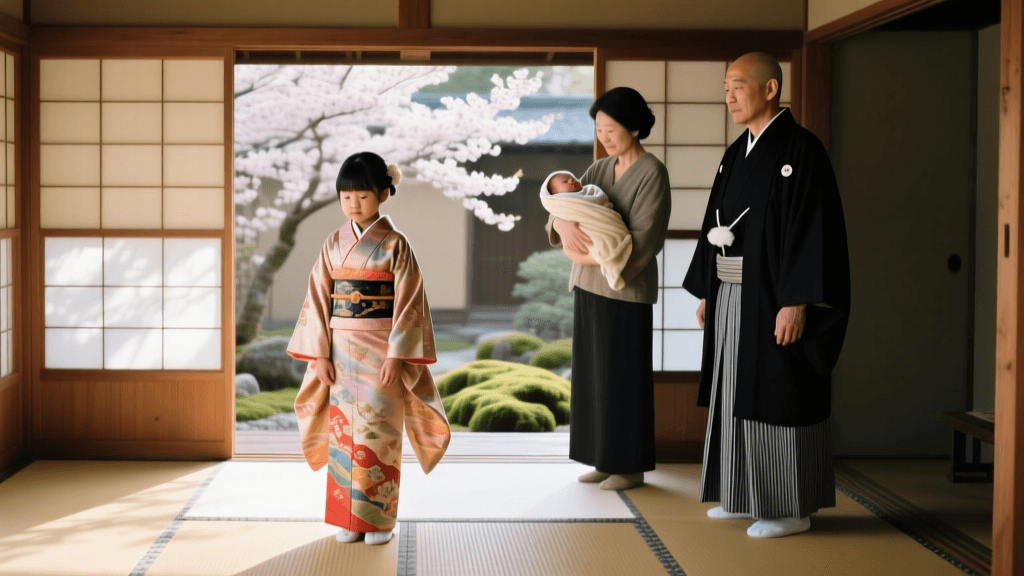
The earliest ceremonial garments in a person's life are designed to invoke protection, health, and auspicious fortune. For newborns, the 2026 trend leans heavily toward organic, naturally dyed textiles. Infants are traditionally adorned with huitouxie (tiger-head shoes) and douba (embroidered belly covers). In 2026, leading heritage brands are utilizing hypoallergenic, bio-washed organic cotton and bamboo-silk blends for these infant garments, ensuring that the vibrant red and gold motifs—symbolizing warding off evil spirits and inviting prosperity—are completely safe for sensitive skin.
As children grow, the next major milestone is the Coming of Age ceremony. Known as Guan Li for young men (traditionally at age 20) and Ji Li for young women (traditionally at age 15), these rites mark the transition into adulthood and societal responsibility. The centerpiece of this ceremony is the Shenyi (deep robe), a garment that physically and symbolically connects the upper and lower halves of the body, representing the harmony of heaven and earth.
For young women undergoing the Ji Li in 2026, the Ming-style Aoqun (jacket and skirt) remains incredibly popular due to its dignified silhouette and structural elegance. The hair is pinned up with jade or wooden hairpins, signifying maturity. For young men, the Zhiduo or Daopao (scholar's robes) are the garments of choice, often paired with a traditional Guan (cap). Families in 2026 are increasingly opting for custom-tailored linen-silk blends for summer coming-of-age ceremonies, allowing for breathability without sacrificing the historical drape and weight required for proper ritual bowing.
The Union: 2026 Hanfu Wedding Attire
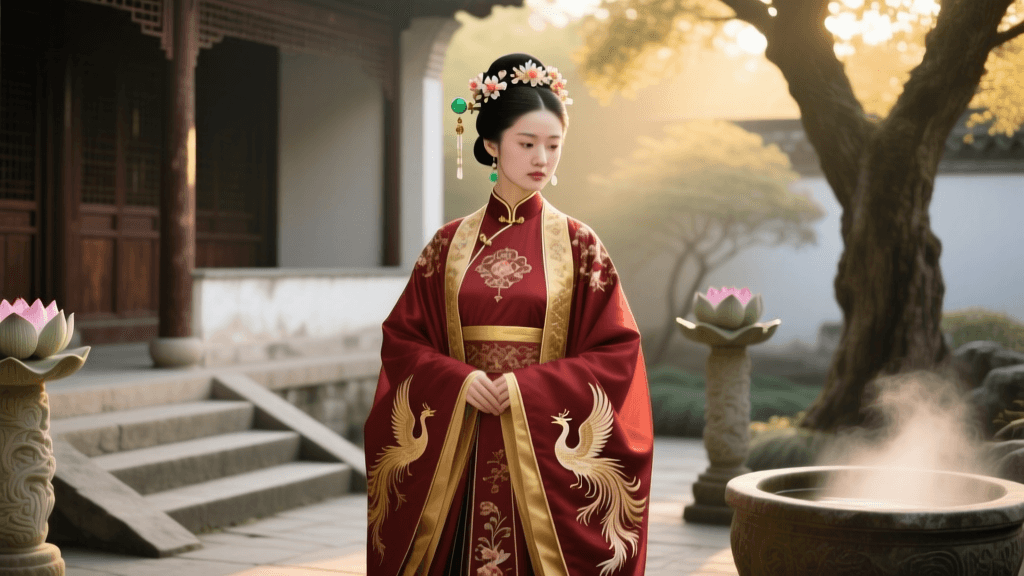
Weddings represent the pinnacle of Hanfu ceremonial wear. In 2026, couples are moving away from generic, mass-produced 'ancient-style' costumes and are instead investing in meticulously researched, dynasty-specific wedding attire. The choice of dynasty often reflects the couple's aesthetic preference, ranging from the opulent grandeur of the Ming dynasty to the ethereal elegance of the Tang and Song periods.
According to The Metropolitan Museum of Art's extensive archives on historical Chinese clothing, the structural integrity and layering of traditional wedding garments carry deep cosmological significance. Today's brides and grooms honor this by adhering to strict layering protocols, ensuring that collars, cuffs, and hemlines reveal precise contrasting colors that symbolize yin and yang balance.
Below is a comparison of the most sought-after Hanfu wedding styles for 2026, including current market pricing for custom, historically accurate ensembles.
| Dynasty Style | Key Garments & Accessories | Color Palette & Motifs | 2026 Custom Price (USD) |
|---|---|---|---|
| Ming Dynasty | Fengguan (Phoenix Crown), Xiapei (Cloud Scarf), Mamianqun (Horse-face skirt), Dahu (Jacket) | Crimson, deep blue, gold. Dragons, phoenixes, peonies, and cloud collars. | $2,500 - $6,000+ |
| Tang Dynasty | Da Shan (Grand Shirt), Qixiong Ruqun (Chest-high skirt), elaborate floral hair combs | Vibrant vermilion, emerald, saffron. Peonies, pomegranates, and auspicious birds. | $1,800 - $4,500 |
| Song Dynasty | Beizi (Long outer coat), Baidiequn (Hundred-pleat skirt), pearl and jade hair ornaments | Muted jade green, pearl white, soft pink. Subtle floral weaves, cranes, and bamboo. | $1,500 - $3,800 |
For the modern groom, the Ming-style Jinfu (official-style robe) with a Wusha cap or the Tang-style Gongfu provides a commanding, regal presence that perfectly complements the bride's elaborate layers. In 2026, a major innovation in wedding Hanfu is the integration of smart-weave brocades. These advanced textiles utilize microscopic tension threads that prevent the heavy silk from wrinkling during the complex kneeling and bowing sequences of the traditional tea ceremony.
Honoring the Past: Ancestral Rites and Mourning Wear
Ancestral worship and mourning rites require a stark departure from the celebratory reds and golds of weddings and births. These ceremonies demand garments that reflect solemnity, respect, and a connection to the earth. The traditional Jifu (sacrificial dress) is worn during major ancestral temple visits, such as the Qingming Festival or the anniversary of an ancestor's passing.
In 2026, the color palette for Jifu is strictly regulated by traditional propriety: deep navy, charcoal, black, and unbleached white are the standard. The garments are typically cut in the Shenyi or Daopao style, favoring modesty and volume over ostentatious embroidery. Motifs, if present, are subdued—such as the huigou (thunder pattern) or simple geometric borders that represent eternity and the unbroken family line.
Mourning wear, or Sufu, is governed by the ancient system of the Five Degrees of Mourning (Wufu). The closeness of the familial relationship dictates the coarseness of the fabric and the duration of the mourning period. For the closest relatives (such as children mourning parents), the traditional garment is the Zhancui, made from the roughest, unhemmed hemp. While authentic raw hemp is still used by strict traditionalists in 2026, many families opt for softened, ethically sourced organic ramie that honors the visual and tactile austerity of the Wufu system while providing necessary comfort during multi-day funeral rites.
Sustainability plays a massive role in 2026's ancestral wear. As highlighted by Encyclopædia Britannica's overview of historical Chinese textiles, ancient mourning and ritual wear relied heavily on unadulterated plant fibers. Modern eco-conscious families are returning to this roots, utilizing naturally dyed indigo and unbleached cottons, viewing the environmental mindfulness as an extension of their respect for the natural order and their ancestors.
Sourcing, Tailoring, and 2026 Innovations
Acquiring ceremonial Hanfu in 2026 requires foresight and an understanding of the current bespoke market. Off-the-rack options are generally unsuitable for major rites, as the precise drape, sleeve length, and collar alignment are critical to ritual correctness. Leading heritage ateliers such as Mingding and Shisanyu have expanded their 2026 ceremonial lines, offering comprehensive consultation services that guide families through historical accuracy, fabric selection, and motif symbolism.
When ordering custom ceremonial Hanfu, families should initiate the process at least four to six months in advance. This timeline allows for the creation of a personal sloper (a basic pattern block), the weaving of custom brocade motifs, and multiple fitting sessions. A crucial tip for 2026 buyers is to request 'ceremonial weighting' in the hems of skirts and robes. Tailors are now using micro-lead-free copper chains sewn into the inner hems of Mamianqun and Daopao to ensure the garments fall perfectly and remain grounded, even in outdoor ancestral shrines prone to wind.
Accessories are the final, indispensable component of ceremonial wear. For weddings, sourcing authentic-style jade pendants (Yupei) and embroidered fragrance pouches (Xiangnang) is vital, as these items historically served to regulate the wearer's pace and project an aura of purity. For ancestral rites, simple wooden or bone hairpins and unadorned cloth belts are the standard, reflecting humility before the ancestors.
Conclusion: Weaving Continuity into Modern Life
The integration of Hanfu into family ceremonies in 2026 is a testament to the enduring power of cultural memory. Whether swaddling a newborn in auspicious tiger motifs, uniting two families under the heavy, embroidered silk of a Ming dynasty wedding crown, or bowing in unbleached ramie to honor those who came before, these garments serve as a physical bridge across time.
By understanding the specific requirements, historical contexts, and modern textile advancements available today, families can approach these sacred milestones with confidence and profound respect. Ceremonial Hanfu is not merely clothing; it is the wearable architecture of Asian heritage, carefully preserved and beautifully adapted for the generations of tomorrow.