2026 Kimono Guide: Birth, Coming-of-Age & Memorial Ceremonies
The Enduring Role of the Kimono in Japanese Life
The Japanese kimono is far more than a mere garment; it is a wearable archive of family history, cultural continuity, and profound social etiquette. In Japan, the most pivotal milestones of human life—birth, the transition into adulthood, and the solemn remembrance of those who have passed—are still deeply intertwined with traditional dress. As we navigate 2026, the intersection of deep-rooted tradition and modern convenience has reshaped how families approach these ceremonies. While the silhouettes and strict sartorial rules remain largely unchanged, innovations in sustainable textile recycling, climate-adaptive fabrics, and AI-assisted virtual fittings have modernized the acquisition and wearing process.
According to the Metropolitan Museum of Art's Heilbrunn Timeline of Art History, the kimono's evolution has always reflected the social and economic currents of its time. Today, understanding the nuanced differences between a celebratory Furisode and a mourning Kuro-mofuku is essential for anyone participating in or studying Japanese family traditions. This comprehensive 2026 guide breaks down the specific garments, etiquette, and modern sourcing methods for Japan's three most significant family ceremonies.
Birth and Infancy: Miyamairi and the First Shrine Visit
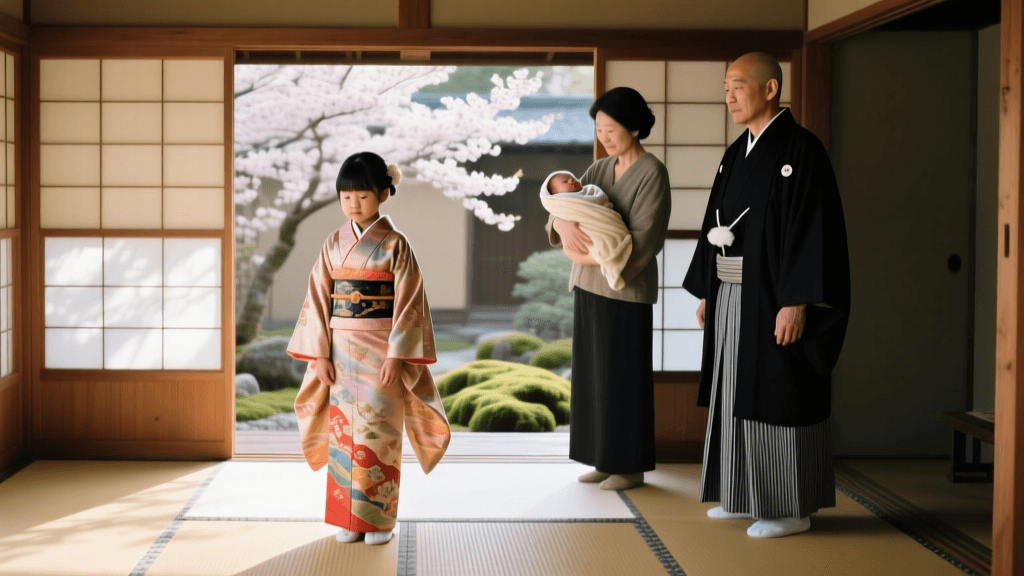
The first major ceremony in a Japanese child's life is Miyamairi (or Omiyamairi), the initial shrine visit that typically takes place when the baby is about one month old. This ritual is designed to thank the deities for the safe delivery of the child and to pray for their long-term health and prosperity. In 2026, with shifting seasonal temperatures making traditional heavy silks uncomfortable for infants during late spring and early autumn, many families are opting for breathable, lightweight summer silks like ro and sha, or high-quality blended textiles that mimic the drape of silk while offering better temperature regulation.
Garment Specifics for Infants and Parents
For the infant, the centerpiece is the Uwagi, a beautifully embroidered outer robe. While the baby is usually dressed in a simple white cotton kimono underneath, the Uwagi is draped over the baby and held by the mother or grandmother. Traditional motifs dominate the embroidery: cranes and turtles symbolize longevity, while pine, bamboo, and plum (the shochikubai trio) represent resilience and vitality.
- Mothers: Mothers typically wear an Iromuji (a solid-colored kimono with one to three family crests) or a subdued Houmongi (visiting kimono). In 2026, soft pastels and muted earth tones are highly favored to keep the visual focus on the infant.
- Fathers: Fathers often wear a formal Western suit, though there is a growing 2026 trend among younger fathers to wear a subtle, dark-colored Komon or a formal Montsuki Hakama to match the mother's attire.
- Grandparents: Grandparents, who often host the ceremony and the subsequent family meal, wear formal visiting kimonos (Tomesode for married women, Houmongi for unmarried women) to show respect to the shrine and the new addition to the family.
Coming-of-Age: Furisode and the 20th Year Celebration
Seijin no Hi (Coming-of-Age Day) is held annually on the second Monday of January. Although Japan's legal age of adulthood was lowered to 18 in 2022, municipalities and families in 2026 overwhelmingly continue to hold ceremonies for 20-year-olds. This is largely because 18-year-olds are typically consumed by university entrance examinations, whereas 20-year-olds are in a transitional phase, making it the perfect time for a celebratory gathering. Often rebranded locally as '20s Gatherings' or 'Youth Festivals,' the sartorial traditions remain fiercely protected.
2026 Trends in Furisode Styling
Unmarried young women celebrate this milestone by wearing a Furisode, a formal kimono characterized by its long, swinging sleeves. The Victoria and Albert Museum's textile archives note that the Furisode historically signaled a woman's unmarried status and availability for courtship; today, it is a vibrant celebration of youth and independence. The sleeves can range from oh-furisode (over 114cm) to the more practical chu-furisode (around 100cm).
In 2026, the styling of the Furisode has seen a 'retro-modern' renaissance. Young adults are increasingly pairing vintage, upcycled silk Furisode from the Showa era with contemporary, boldly patterned obi (sashes) and modern obijime (decorative cords). Jewel-toned palettes, asymmetric hem patterns, and the integration of 3D-printed, lightweight kanzashi (hair ornaments) are defining the 2026 aesthetic. For young men, while Western suits are common, the traditional Hakama (pleated trousers) worn over a solid-colored kimono with a family crest remains a powerful, dignified choice that is seeing a resurgence in popularity.
Memorials and Mourning: The Solemnity of Mofuku
At the other end of life's spectrum are the ceremonies of mourning. Japanese funeral and memorial etiquette is among the most strictly codified in the world, and the kimono worn during these times—collectively known as Mofuku—reflects deep respect, grief, and social proximity to the deceased. Understanding the stages of mourning attire is critical, as wearing the wrong level of formality can cause unintended offense.
Navigating the Stages of Mourning Attire
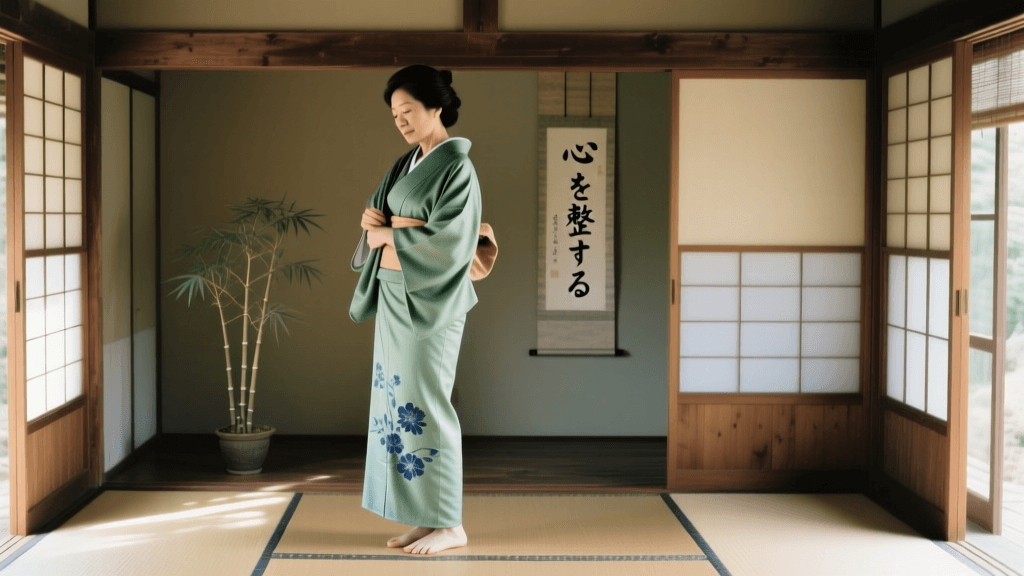
1. Kuro-mofuku (The Funeral and Immediate Mourning): Reserved exclusively for close family members and immediate relatives during the wake and funeral, the Kuro-mofuku is a solid, matte black silk kimono (usually habutae silk) bearing five family crests (itsutsu-mon). The under-kimono (nagajuban) and the collar (han-eri) must be stark white. The obi is a matte black brocade with a subdued, dark silver or gray obijime cord. In 2026, authentic matte black silk remains essential; any sheen or synthetic reflectivity is considered highly inappropriate. Accessories must be minimal: a single strand of pearls or black onyx, and plain black zori sandals with black crepe straps.
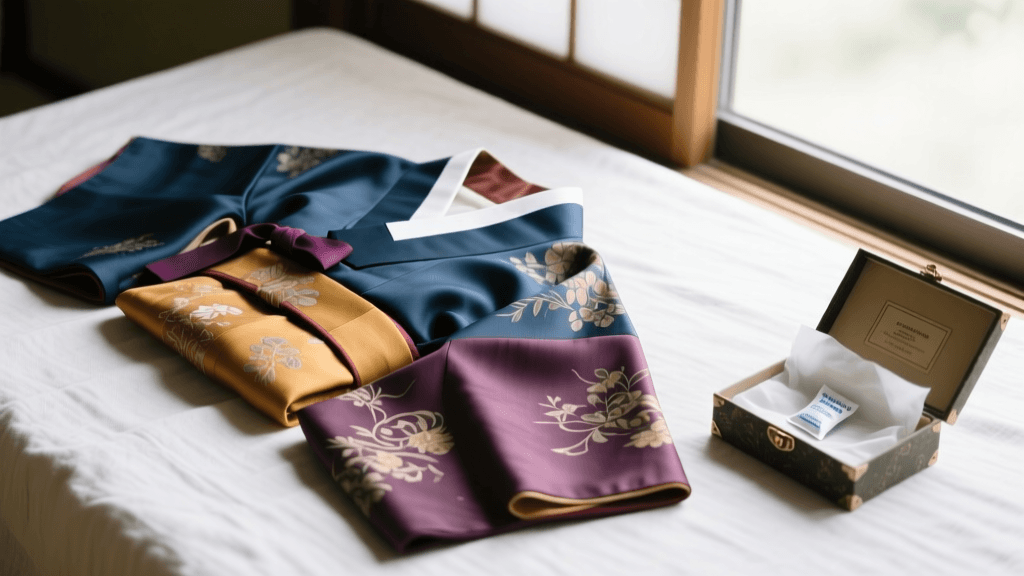
2. Iro-mofuku (Subsequent Memorial Services): For the 49-day ceremony, the first-year anniversary, and subsequent memorials (3rd, 7th, 13th years), or for attendees who are not immediate family, Iro-mofuku is worn. These are kimonos in subdued, dark colors such as charcoal gray, deep navy, plum, or dark forest green. They typically feature one to three family crests. The obi can be slightly lighter, often featuring subtle silver or gray geometric patterns, but flashy gold threads or bright floral motifs remain strictly forbidden. As families transition out of deep mourning, the han-eri collar may shift from stark white to a very pale gray or lavender, signaling the gradual return to daily life.
2026 Cost and Sourcing Guide: Rental vs. Purchase
The economics of ceremonial kimono have shifted significantly. With urban living spaces shrinking and the meticulous care required for silk garments becoming a burden for younger generations, the 2026 market is heavily skewed toward premium rental services. Major chains and boutique online vendors now offer AI-driven virtual fitting tools, allowing users to upload their measurements and see precise 3D renderings of how a specific Furisode or Houmongi will drape on their body before committing to a rental or purchase.
| Ceremony Type | Primary Garment | 2026 Rental Cost (¥) | 2026 Purchase Cost (¥) | Preparation Time |
|---|---|---|---|---|
| Miyamairi (Birth) | Uwagi / Iromuji | 15,000 - 35,000 | 80,000 - 180,000 | 2-3 Weeks |
| Seijin no Hi (Coming-of-Age) | Furisode / Hakama | 90,000 - 200,000 | 350,000 - 900,000+ | 3-6 Months |
| Ososhiki (Funeral) | Kuro-mofuku | 12,000 - 25,000 | 150,000 - 350,000 | Immediate (1-2 Days) |
| Memorial Service (Hojo) | Iro-mofuku | 18,000 - 40,000 | 120,000 - 280,000 | 1-2 Weeks |
Note: Rental packages in 2026 typically include the kimono, obi, undergarments, accessories, and professional dressing services at a partnered salon on the day of the event. Purchase prices reflect new, custom-tailored silk garments from established Kyoto and Tokyo ateliers.
Preserving Heritage in a Modern Era
Whether wrapping a newborn in the protective embroidery of a Miyamairi Uwagi, celebrating a young adult's future in the sweeping sleeves of a Furisode, or honoring a departed loved one in the quiet dignity of Kuro-mofuku, the kimono remains the ultimate vessel for Japanese family heritage. The year 2026 proves that while the methods of sourcing and the realities of modern climate may evolve, the profound emotional weight and cultural significance of these garments remain entirely untouched. For families navigating these milestones, investing time in understanding the proper attire is not just an exercise in fashion—it is an act of deep respect for the past, present, and future of the family line.