Peking Opera Costumes: Sourcing Mang Robes & Kao Armor
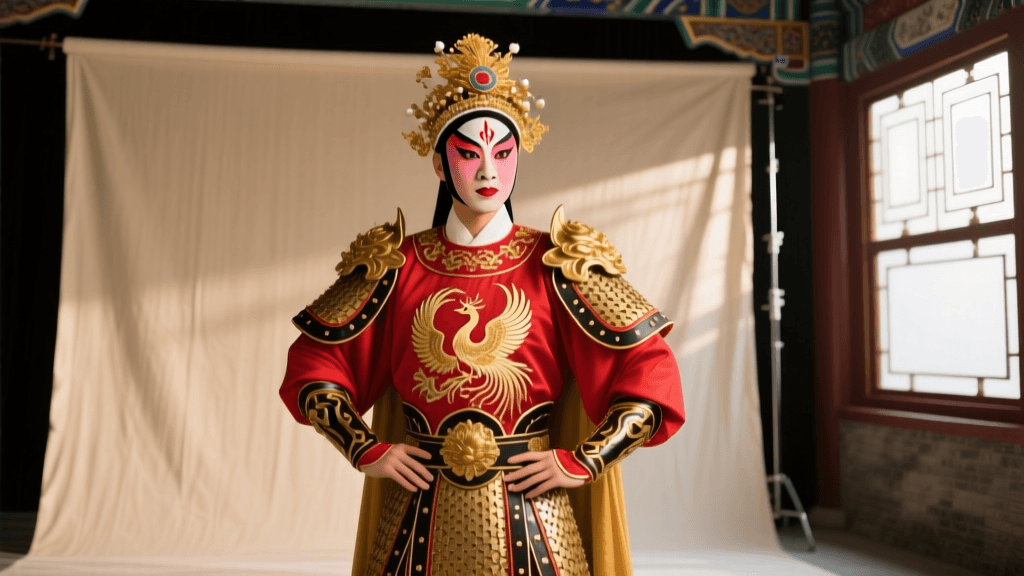
The Codified Wardrobe: Understanding Xingtou
Peking Opera, or Jingju, is a pinnacle of Chinese theatrical art, renowned for its stylized movements, vibrant vocal performances, and spectacular visual aesthetics. Recognized globally for its cultural significance, the art form was inscribed on the UNESCO Representative List of the Intangible Cultural Heritage of Humanity in 2010. Central to this visual spectacle is the traditional opera wardrobe, known as Xingtou. Unlike historical everyday clothing, Xingtou is highly codified, prioritizing stage visibility, character archetypes, and kinetic movement over strict historical accuracy.
For cultural festival organizers, university theater troupes, and heritage societies, sourcing authentic Peking Opera costumes is a complex but rewarding endeavor. The two most iconic and visually commanding garments in the Xingtou repertoire are the Mang (python robe) and the Kao (martial armor). Understanding the construction, sourcing logistics, and maintenance of these garments is essential for any troupe aiming to present an authentic and respectful performance.
The Mang Robe (蟒袍): Elegance for Emperors and Officials
The Mang robe is the formal court attire worn by characters of high social standing, including emperors, generals, and senior officials. As detailed by Britannica's comprehensive guide to Peking Opera, the Mang is characterized by its sweeping silhouette, intricate embroidery, and the iconic 'water sleeves' (shuixiu) that extend far beyond the hands to facilitate expressive, fluid gestures.
Design, Color Coding, and Embroidery
The color of a Mang robe immediately communicates a character's rank and personality to the audience. Yellow is strictly reserved for the emperor and royal family. Red denotes high-ranking officials and nobility, while purple and blue are worn by mid-level officials. Black is often used for characters with rough, straightforward, or fierce personalities, such as the famous judge Bao Zheng.
The embroidery typically features the 'python' (a four-clawed dragon-like creature), waves, and auspicious clouds. High-end authentic robes utilize panjin (gold couching), where gold-wrapped threads are laid on the silk surface and stitched down with fine silk thread, creating a raised, luminous effect that catches the stage lights beautifully.
Sourcing and Measurements for Troupes
When ordering custom Mang robes for a festival troupe, precise measurements are critical. Unlike Western tailoring, opera costumes are designed to be loose and layered.
- Shoulder and Chest: Measured broadly to accommodate the thick inner padding (pangao) worn to give the actor a more imposing, broad-shouldered silhouette.
- Sleeve Length: The base sleeve must reach the wrist, but the attached water sleeve (shuixiu) requires separate specification.
- Water Sleeve Dimensions: For amateur and student troupes, a water sleeve length of 18 to 24 inches is recommended for manageable movement. Professional performers typically use sleeves ranging from 30 to 36 inches, which require years of practice to manipulate without tangling.
Cost and Lead Time
Authentic silk brocade Mang robes with hand-embroidered gold couching are significant investments. Expect to pay between $600 and $1,500 USD per robe, with a lead time of 6 to 10 weeks from specialized ateliers in Beijing or Suzhou. For budget-conscious festival troupes, machine-embroidered polyester alternatives are available for $120 to $250 USD, with lead times of 2 to 3 weeks. While synthetic fabrics lack the drape and luster of silk, they are highly durable and easier to clean for touring companies.
The Kao Armor (靠): Martial Heroes on Stage
For martial roles (Wusheng and Wudan), the Kao armor is the ultimate symbol of heroism and battlefield prowess. The Kao is a stylized representation of ancient Chinese armor, consisting of a front and back panel, shoulder pads, and knee-length side panels. The most striking feature of the 'hard Kao' (yingkao) is the four triangular flags (kaoqi) attached to the back, which represent an army of soldiers and amplify the actor's movements during acrobatic combat sequences.
Assembly and Practical Stage Advice
Dressing an actor in a full Kao is a rigorous process that takes 20 to 30 minutes and requires at least one, preferably two, experienced dressers. The armor is tightly bound to the body using wide cotton belts to ensure it does not shift during backflips, kicks, and rapid spins.
Festival organizers must account for the physical toll of the Kao. A fully assembled hard Kao, complete with headdress and weapons, can weigh between 12 and 18 pounds. Actors require a dedicated warm-up period and frequent hydration breaks backstage. Furthermore, the kaoqi flags extend roughly 3 to 4 feet above the actor's head, meaning backstage ceilings and stage fly systems must have adequate clearance to prevent accidents during entrances and exits.
Comparison Chart: Mang vs. Kao for Festival Troupes
To assist artistic directors and wardrobe managers in planning their festival productions, the following table contrasts the logistical requirements of the Mang robe and the Kao armor.
| Feature | Mang Robe (Court/Official) | Kao Armor (Martial/General) |
|---|---|---|
| Primary Role Type | Wen (Civilian/Scholar/Emperor) | Wu (Martial/General/Warrior) |
| Average Weight | 3 - 5 lbs (Lightweight silk) | 12 - 18 lbs (Heavy padding & flags) |
| Dressing Time | 10 - 15 minutes (1 dresser) | 20 - 30 minutes (2 dressers) |
| Mobility | Fluid, sweeping, elegant | Acrobatic, expansive, kinetic |
| Estimated Cost (Silk) | $600 - $1,500 USD | $800 - $2,000 USD |
| Storage Requirement | Padded hangers, breathable garment bags | Flat storage, flags removed and rolled |
Essential Accessories: Headdresses and Footwear
A Mang or Kao is incomplete without its corresponding accessories, which are equally vital for the visual impact of a festival performance.
Guanmao (Headdresses)
Civilian officials wearing the Mang typically wear a Sha Mao (hat with wing-like flaps). Martial generals in Kao wear elaborate helmets adorned with pom-poms and, most notably, lingzi (pheasant tail feathers). These feathers can be up to 6 feet long. Actors use subtle head and neck movements to make the feathers tremble, sway, or form circles, conveying intense emotion such as rage, contemplation, or triumph. When sourcing lingzi, ensure they are securely wired at the base to prevent snapping during vigorous performances.
Xuezi (Footwear)
Male characters in formal or martial attire wear Hou Di Xue (thick-soled boots). These boots feature white cotton soles that are 2 to 4 inches thick, elevating the actor and giving them a statuesque, commanding presence. Walking in these boots requires a specific heel-to-toe rolling technique. Troupes must mandate that actors practice walking and performing basic stances in these boots weeks before the festival to prevent ankle injuries on stage.
Maintenance and Storage Best Practices
Authentic Peking Opera costumes are delicate works of art. A feature in Smithsonian Magazine highlights the immense dedication required to preserve these theatrical artifacts. Proper maintenance ensures a troupe's investment lasts for decades.
- Cleaning: Never machine wash or dry clean authentic silk Mang robes or Kao panels, as the water and chemicals will ruin the metallic gold threads and cause the silk brocade to warp. Spot clean with a damp microfiber cloth and mild silk detergent. For deep odors, use a professional theatrical steamer at a low setting, keeping the nozzle at least 6 inches from the fabric.
- Humidity Control: Silk and metallic threads are highly susceptible to mold and tarnishing. Store costumes in a climate-controlled environment maintaining 45% to 55% relative humidity. Include silica gel packets in storage trunks, but ensure they do not directly touch the fabric.
- Handling the Kao Flags: The bamboo or fiberglass spines of the kaoqi flags must never be bent backward. After a performance, detach the flags, wipe them down, and store them flat in a specialized canvas roll to prevent the silk from creasing and the spines from warping.
Conclusion
Sourcing and managing Peking Opera costumes for festival performances is a meticulous process that bridges historical craftsmanship with modern theatrical logistics. Whether investing in a hand-embroidered silk Mang robe to convey the quiet authority of an emperor, or rigging a heavy Kao armor for the explosive acrobatics of a martial hero, understanding the nuances of the Xingtou wardrobe is paramount. By respecting the codified traditions, budgeting appropriately for quality materials, and implementing rigorous maintenance protocols, cultural troupes can ensure that the vibrant legacy of Peking Opera continues to captivate festival audiences worldwide.