Inclusive Kimono Guide: Styling For All Body Types & Genders
The Evolution of Kimono Sizing and Inclusivity
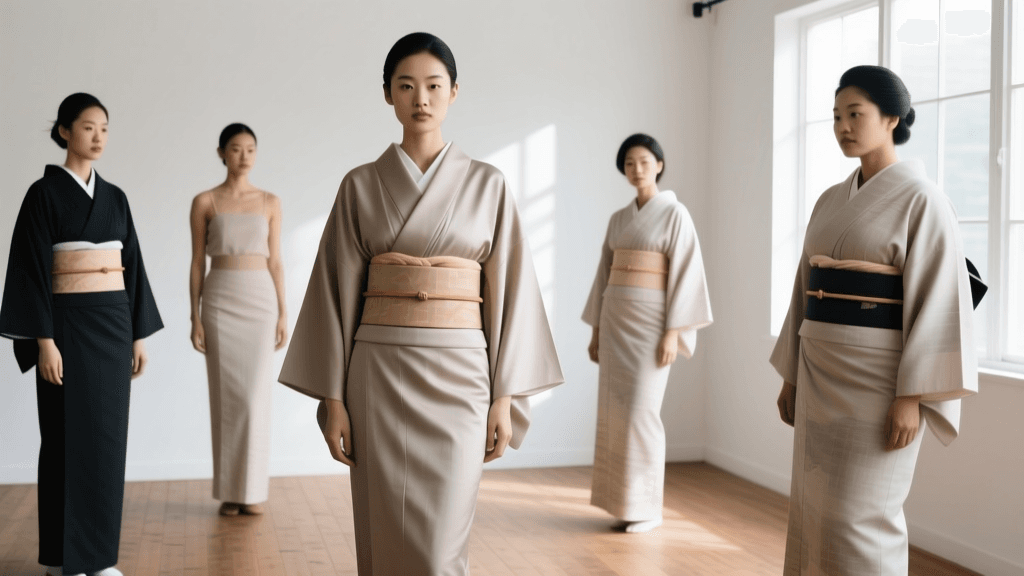
The traditional Japanese kimono is a masterpiece of textile art, cultural heritage, and sartorial elegance. However, for decades, the global perception of the kimono has been constrained by rigid sizing norms and strict gender binaries. Historically, kimonos were crafted from a single bolt of fabric known as a tanmono, which typically measures about 38 centimeters (15 inches) in width. This standard width inherently limited the garment's adaptability for diverse body types, particularly for plus-size individuals or those with broader shoulders. Furthermore, traditional dressing schools enforced strict rules separating menswear and womenswear, leaving little room for gender-nonconforming expressions.
Today, a cultural renaissance is reshaping how we approach traditional Japanese clothing. Modern kitsuke (kimono dressing) practitioners, progressive rental shops in Kyoto and Tokyo, and contemporary textile artisans are championing inclusivity. By understanding the underlying geometry of the kimono and utilizing modern styling techniques, individuals of all heights, sizes, and gender identities can wear this iconic garment with comfort, confidence, and deep respect for its heritage. According to the Metropolitan Museum of Art, the kimono's T-shaped structure was originally designed to be adaptable, wrapped, and folded to suit the wearer—a flexible philosophy that modern inclusive fashion is reclaiming.
Tailoring and Styling for Diverse Body Types
Unlike Western clothing, which is cut and sewn to fit specific curves and contours, the kimono is essentially a two-dimensional canvas that becomes three-dimensional through the art of folding, tying, and padding. This unique characteristic makes it surprisingly adaptable, provided you know which adjustments to make.
Petite Frames: Managing Proportions and Patterns
For individuals under 155 cm (5'1"), the primary challenge is managing excess fabric without creating a bulky silhouette. The ohashori—the horizontal fold at the waist created when adjusting the kimono's length—is your best tool. A deeper ohashori allows you to raise the hem to the perfect ankle-grazing length. To avoid being visually overwhelmed, opt for komon (small, repeating patterns) or subtle edokomon rather than large, bold yuzen motifs. When tying the obi (sash), choose a compact knot like the otaiko musubi rather than a large, dramatic fukura-suzume, ensuring the back proportion remains balanced with your height.
Tall Figures: Navigating Sleeve and Hem Lengths
Individuals over 170 cm (5'7") often face the issue of yuki (the measurement from the center back of the neck, over the shoulder, to the wrist). Standard vintage kimonos typically have a yuki of 64 cm, which may leave the wrists exposed on taller wearers. While traditionalists argue that showing a sliver of the wrist is elegant, excessive exposure can make the garment look undersized. To counter this, layer a contrasting nagajuban (under-kimono) with longer sleeves so the underlayer peeks out intentionally, creating a styled, layered look. Alternatively, wearing a haori (kimono jacket) over the ensemble draws the eye vertically and elegantly masks the sleeve length discrepancy.
Plus-Size and Curvy Bodies: Achieving Comfort and Support
The most critical measurement for plus-size wearers is the mi-haba (body width), calculated by adding the width of the front panel (maemigoro) and the back panel. If the combined width is less than your hip measurement plus 20 cm for overlap, the kimono will pull open at the front. For curvy figures, modern kitsuke experts recommend using wide, elasticized datejime and soft cotton koshihimo (tying sashes) to secure the garment without restricting breathing or digging into the waist. Avoid stiff, heavily brocaded maru obi; instead, choose a soft, lightweight happi obi or a stretchy tsuke obi (pre-tied sash) that provides structure without the uncomfortable compression of traditional tight wrapping. Custom plus-size kimonos, woven from wider bolts or utilizing Western upholstery silks, typically cost between ¥150,000 and ¥300,000 when commissioned from a shitateya (tailor).
Breaking the Binary: Gender-Inclusive Kimono Fashion
Historically, the distinction between men's and women's kimonos was codified during the Edo period through sumptuary laws and societal norms. Men's kimonos (kimono or kosode) feature sleeves that are attached to the body all the way down (tsutsode), utilize subdued colors like charcoal, navy, and olive, and are worn without an ohashori fold. Women's kimonos feature an open gap under the arm (okumi), vibrant patterns, and require the waist fold. However, as noted by the Victoria and Albert Museum, the kimono has always been a reflection of shifting social identities, and today's gender-fluid fashion movement is pushing these boundaries further.
For non-binary, genderqueer, or trans individuals, the kimono offers a fascinating medium for gender-neutral or mixed-gender expression. A popular modern styling technique involves pairing a traditionally masculine, dark-colored haori jacket over a vibrant, feminine yukata or komon. This juxtaposition blends the structured, broad-shouldered silhouette of menswear with the expressive textile art of womenswear. Furthermore, the kai-no-kuchi (clam shell) obi knot, traditionally reserved for men, is increasingly adopted by women and non-binary individuals for its sleek, flat profile that creates a streamlined, androgynous silhouette without the bulk of a decorative bow.
Comparison Chart: Adjustments for Diverse Bodies
| Body Type / Identity | Primary Challenge | Key Measurement | Modern Adjustment & Styling Trick |
|---|---|---|---|
| Petite (Under 155cm) | Excess fabric bulk, overwhelming patterns | Take-jitsu (back length) | Deepen the ohashori fold; choose komon (small patterns) and compact obi knots. |
| Tall (Over 170cm) | Short sleeves (yuki), high hemlines | Yuki (sleeve length) | Layer a longer nagajuban; wear a haori jacket to obscure wrist gaps. |
| Plus-Size / Curvy | Front overlap pulling, waist compression | Mi-haba (body width) | Use elastic datejime; opt for stretch tsuke obi; seek custom wide-bolt tailoring. |
| Gender-Nonconforming | Rigid binary styling rules, restrictive silhouettes | Shoulder drop & Obi placement | Mix masculine haori with feminine textiles; use the flat kai-no-kuchi obi knot. |
Practical Guide to Renting Inclusive Kimonos in Japan
If you are visiting Japan and wish to experience traditional dress without the investment of purchasing, rental shops are an excellent option. Standard kimono rentals in tourist hubs like Asakusa (Tokyo) or Higashiyama (Kyoto) generally cost between ¥5,000 and ¥8,000 for a full day, including dressing services and basic accessories. However, standard shops often stock only average-sized garments (typically fitting up to a US Women's size 10 or Men's Medium, and heights up to 165 cm).
For plus-size, tall, or gender-inclusive rentals, you must seek out specialty boutiques. Shops like Yae Kimono Rental in Kyoto or specialized inclusive services in Tokyo offer extended sizing up to 3XL and taller yuki measurements, though they may charge a premium surcharge of ¥2,000 to ¥5,000 for oversized inventory. When booking, always email the shop in advance with your exact height, shoulder width, and hip circumference in centimeters. Ask specifically if they provide datejime extenders and if their dressing staff (kitsuke-shi) are trained in inclusive, gender-neutral styling. By communicating your needs and embracing modern adaptations, the kimono transforms from an exclusive relic of the past into a living, breathing garment that celebrates the beauty of every individual who wears it.