Hanfu Travel Guide: Styling Traditional Dress for Social Media
The Intersection of Heritage and Digital Culture
In recent years, the intersection of traditional Chinese heritage and modern digital culture has given rise to a spectacular travel phenomenon: Hanfu destination tourism. No longer confined to niche cosplay events or historical reenactments, traditional Han Chinese clothing has flooded the streets of ancient capitals, scenic gardens, and bustling metropolises. Driven by the visual power of platforms like Xiaohongshu (Little Red Book), Douyin, and Instagram, travelers are now curating entire itineraries around capturing the perfect Hanfu photograph. According to an extensive cultural analysis by BBC Culture, the Hanfu movement is deeply tied to a renewed sense of national pride and a desire among younger generations to reconnect with their ancestral aesthetics while projecting a highly stylized, cinematic presence online.
For content creators, travel bloggers, and cultural enthusiasts, planning a Hanfu-centric trip requires more than just booking a flight. It demands an understanding of historical silhouettes, regional climates, fabric behaviors, and the specific visual language that performs well on social media algorithms. This comprehensive guide will walk you through the logistics, styling matrices, and photography strategies needed to elevate your Hanfu tourism content from simple vacation snapshots to viral, high-fashion editorials.
The Hanfu Tourism Boom: Where History Meets the Algorithm
Cities across China have rapidly adapted to the Hanfu boom, transforming their historical sites into immersive backdrops for digital creators. As reported by Reuters, the commercial ecosystem surrounding Hanfu has expanded exponentially, with local tourism boards actively promoting traditional dress rentals, specialized makeup studios, and dedicated photography zones. The economic impact is profound; during peak holidays like the Qingming Festival or National Day, cities like Xi'an and Luoyang see hundreds of thousands of tourists walking the streets in flowing silk robes, creating a surreal, time-bending atmosphere that is pure gold for social media video content.
However, the key to successful destination styling lies in geographical and historical alignment. Wearing a heavy, structured Ming Dynasty winter coat in the humid, subtropical summer of Hangzhou will not only ruin your comfort but will also result in stiff, uninspired photography. Conversely, wearing a sheer, lightweight Tang Dynasty summer set in the snowy pavilions of Beijing will look visually disjointed. Understanding the regional 'vibe' is the first step in planning your content calendar.
Destination and Hanfu Styling Matrix
To help you plan your content shoots, we have developed a strategic matrix pairing top Chinese destinations with their most historically resonant and visually striking Hanfu styles. This chart factors in climate, architectural backdrop, and social media trends.
| Destination | Recommended Era | Best Fabric & Weight | Photography Vibe | Est. Rental & Styling Cost |
|---|---|---|---|---|
| Xi'an (Datang Furong Garden) | Tang Dynasty | Silk brocade, chiffon (120-150gsm) | Opulent, vibrant, cinematic, night-lit | 299 - 499 RMB ($40-$70) |
| Suzhou (Humble Admin. Garden) | Song & Ming | Raw silk, linen, light cotton (90-120gsm) | Elegant, minimalist, scholarly, soft focus | 199 - 350 RMB ($28-$50) |
| Hangzhou (West Lake) | Song Dynasty | Organza, lightweight jacquard | Ethereal, romantic, breezy, water-reflected | 150 - 300 RMB ($20-$40) |
| Beijing (Forbidden City) | Ming Dynasty | Heavy brocade, velvet, wool blends (200gsm+) | Majestic, structured, symmetrical, imposing | 350 - 599 RMB ($50-$85) |
Deep Dive: Xi'an and the Tang Dynasty Aesthetic
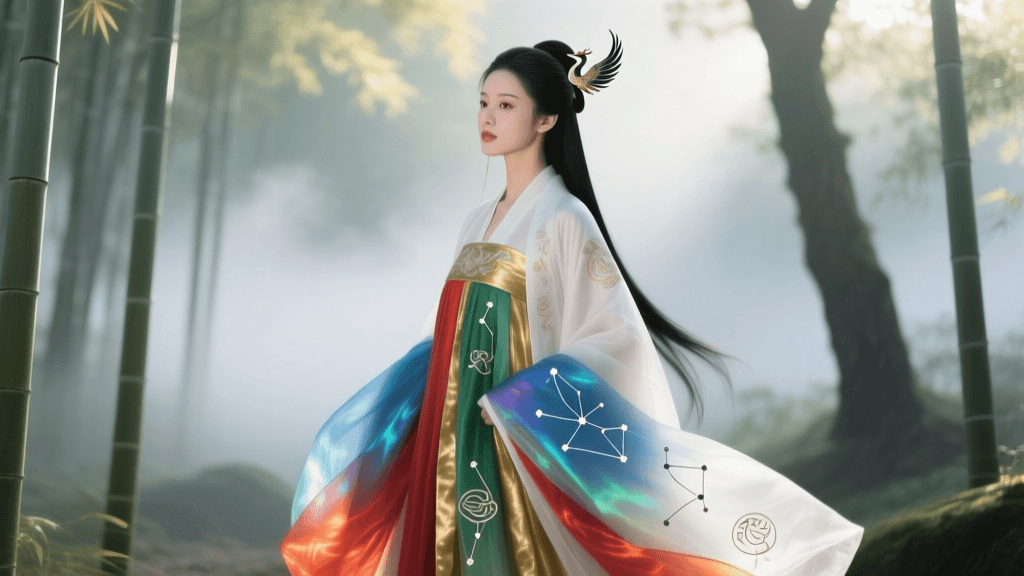
Xi'an, the ancient capital of Chang'an, is the undisputed mecca for Tang Dynasty Hanfu content. The Tang era (618–907 AD) was characterized by cosmopolitanism, wealth, and bold fashion choices. For social media, this translates to high-contrast colors, elaborate floral motifs, and the iconic Qixiong Ruqun (chest-high skirt). When shooting in Xi'an, particularly around the Big Wild Goose Pagoda or the City Wall at dusk, opt for rich jewel tones like crimson, emerald, and gold. The architectural scale of Xi'an demands volume; ensure your skirt has a minimum hem circumference of 3 meters to capture dramatic, sweeping movements in slow-motion Douyin videos.
Deep Dive: Suzhou and the Song Dynasty Minimalist
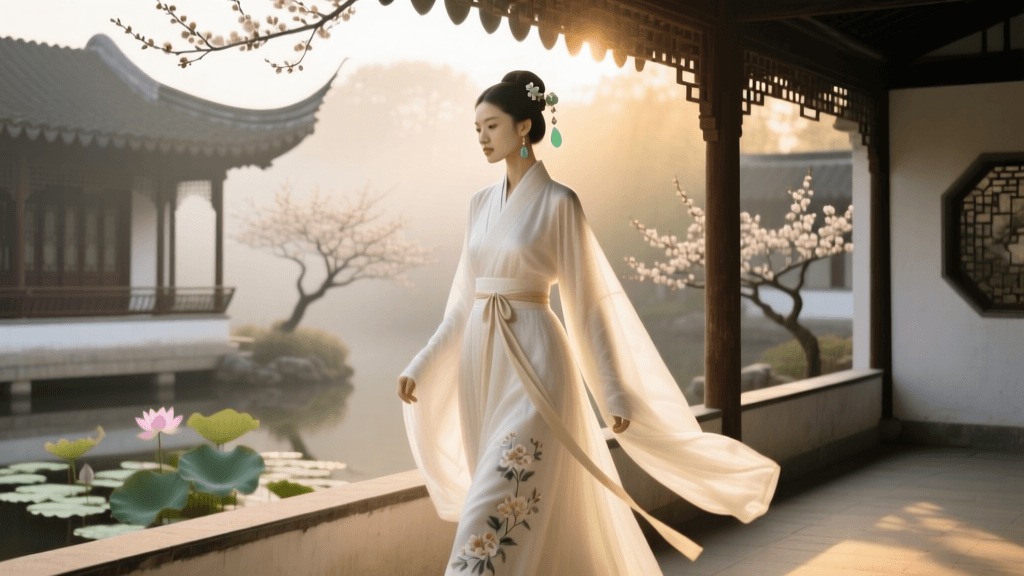
Suzhou offers a stark contrast with its intricate classical gardens and winding canals. The Song Dynasty (960–1279 AD) aesthetic aligns perfectly with this environment, favoring understated elegance, muted earth tones, and slender silhouettes. The Beizi (a long, open-front overcoat) layered over a pleated skirt is ideal for navigating narrow garden pathways. For Xiaohongshu photo essays, focus on macro details: the subtle weave of raw silk, a jade hairpin catching the dappled sunlight through bamboo leaves, and the quiet reflection of a pavilion in a koi pond.
Practical Wardrobe Essentials for the Traveling Creator
If you prefer to travel with your own Hanfu rather than relying on local rental shops, packing strategically is vital. The historical accuracy and structural integrity of your garments will heavily influence the quality of your content. According to the historical archives at The Metropolitan Museum of Art, traditional Chinese dress relies heavily on flat cutting and draping rather than Western tailoring, meaning the fabric's weight and drape are paramount to achieving the correct silhouette.
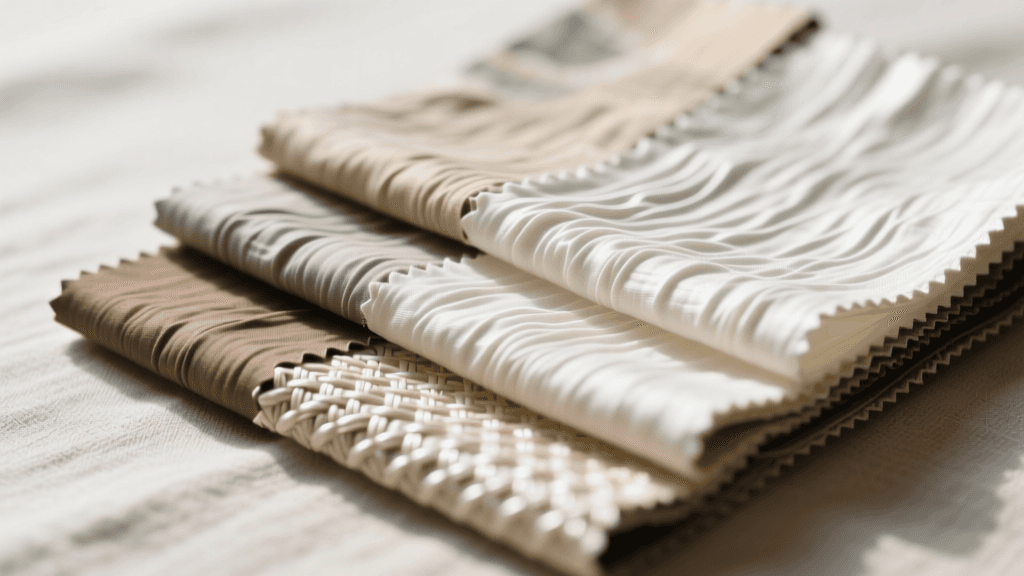
- The Mamianqun (Horse-Face Skirt): A Ming Dynasty staple that remains the most popular item in modern Hanfu street fashion. For travel, pack a mid-weight jacquard Mamianqun in a versatile color like navy or maroon. The flat front and back panels with pleated sides are incredibly forgiving for sitting on trains and create a stunning, structured look when walking toward the camera. Ideal length: 100-105cm, hitting right at the ankle to prevent tripping on cobblestones.
- The Song Dynasty Beizi: Think of this as the traditional equivalent of a lightweight duster coat. It is perfect for transitional weather and adds an instant layer of scholarly sophistication to your photos. Look for Beizi with subtle embroidery on the collar and cuffs, which frame the face beautifully in portrait shots.
- Essential Undergarments: Never pack Hanfu without the proper base layers. A modern Hanfu outfit requires a Chenyi (inner robe) or a specialized Hanfu corset/tube top to ensure the chest-high skirts stay securely in place during dynamic movement. Additionally, bring opaque cotton bloomers or leggings to wear beneath sheer skirts, especially when shooting in windy conditions or on elevated glass walkways.
- Footwear: While traditional cloth boots (Bu Xue) look authentic, they offer zero arch support for days spent walking on uneven ancient stones. The modern Hanfu community standard is to wear comfortable, neutral-toned sneakers or padded loafers hidden beneath the long hem of the skirt. Only invest in traditional embroidered flats for close-up detail shots.
Social Media Strategy: Posing, Props, and Lighting
Creating viral Hanfu content requires mastering the visual language of the 'Guofeng' (national style) aesthetic. Static, stiff posing is out; dynamic, narrative-driven movement is in. Here are actionable strategies to elevate your social media portfolio:
1. The Power of Props and Interaction
Props are essential for giving your hands something to do and anchoring your character in a specific narrative. Invest in a high-quality oil-paper umbrella (Youzhisan) for rainy day shoots in the Jiangnan water towns; the translucent paper diffuses light beautifully onto the face. For evening shoots, a traditional silk lantern or a folding fan with calligraphy provides both a focal point and a practical light source. When interacting with props, avoid looking directly at the camera. Instead, look down at the fan, adjust the umbrella handle, or gaze into the middle distance to create a candid, editorial feel.
2. Mastering the 'Guofeng' Movement
Hanfu is designed to be seen in motion. The sheer fabric of a Tang Dynasty Pibo (shawl) or the heavy pleats of a Ming skirt only reveal their beauty when catching the air. When filming for TikTok or Douyin, use a gimbal and shoot at 60fps to allow for buttery smooth slow-motion playback. Practice the 'turn and look' technique: walk away from the camera, let the skirt flare out to its full 3-meter circumference, and then turn your head over your shoulder. This simple movement consistently yields the highest engagement rates on short-form video platforms.
3. Lighting and the Golden Hour
Avoid the harsh midday sun, which washes out the intricate embroidery and creates unflattering shadows under traditional hairpieces. The absolute best time for Hanfu photography is the golden hour (the hour after sunrise and the hour before sunset). In historical sites like the Forbidden City, the late afternoon sun casts long, dramatic shadows and illuminates the red walls with a warm, cinematic glow that perfectly complements the gold and jade tones of traditional accessories.
Logistics: Navigating Rentals and Zaoxing (Styling)
For travelers who do not wish to pack bulky garments, China's Hanfu rental infrastructure is world-class, particularly in tourist hubs. The concept of Zaoxing (full styling) is standard practice. A typical Zaoxing package includes the garment rental, professional historical makeup (featuring era-specific elements like Huadian forehead decals or Tang Dynasty pearl accents), and intricate hair styling using extensions and traditional hairpins.
Pro-Tip for Booking: Do not wait until you arrive at the scenic area to book your styling. Top-rated studios near major landmarks book out days in advance, especially during the spring peony season or autumn foliage peaks. Use the WeChat Mini Programs of specific studios or ask your hotel concierge to secure a morning appointment (8:00 AM) so you can enter the parks right when they open, beating the massive crowds and securing pristine backgrounds for your photos.
Furthermore, be prepared for the physical reality of wearing traditional dress. Ming Dynasty collars can be tight, and chest-high skirts restrict deep breathing and large meals. Plan your culinary adventures for after the photoshoot, and always carry a small bag with safety pins, double-sided fashion tape, and blotting paper to manage sweat and wardrobe malfunctions during a long day of content creation. By blending historical respect with modern digital strategy, your Hanfu travel content will not only capture the beauty of Asian traditions but will also inspire a global audience to explore the rich tapestry of Chinese heritage.