Kimono Fabric Guide: Silk Types, Weaves, and Dyeing Arts
The Canvas of Japanese Culture: Understanding Kimono Textiles
The kimono is far more than a simple garment; it is a wearable canvas that reflects centuries of Japanese aesthetic philosophy, regional craftsmanship, and seasonal awareness. While the T-shaped silhouette of the kimono has remained largely unchanged since the Heian period (794–1185), the textiles used to create them represent some of the most sophisticated weaving and dyeing techniques in human history. For collectors, fashion historians, and enthusiasts, understanding the nuances of kimono fabrics is essential. The value, formality, and appropriate seasonal wear of a kimono are dictated not just by its pattern, but by the very threads it is woven from and the methods used to color it.
In this comprehensive guide, we will explore the primary silk fabrics used in traditional Japanese clothing, decode the masterful dyeing and weaving techniques that bring them to life, and provide actionable advice on how to measure, purchase, and care for these exquisite garments.
The Big Three: Essential Kimono Silk Fabrics
While cotton, hemp, and modern synthetics are used in everyday yukata and workwear, silk remains the undisputed king of formal and semi-formal kimono. However, not all silk is created equal. The preparation of the silk thread before weaving drastically alters the fabric's texture, drape, and acoustic properties.
1. Chirimen (Silk Crepe)
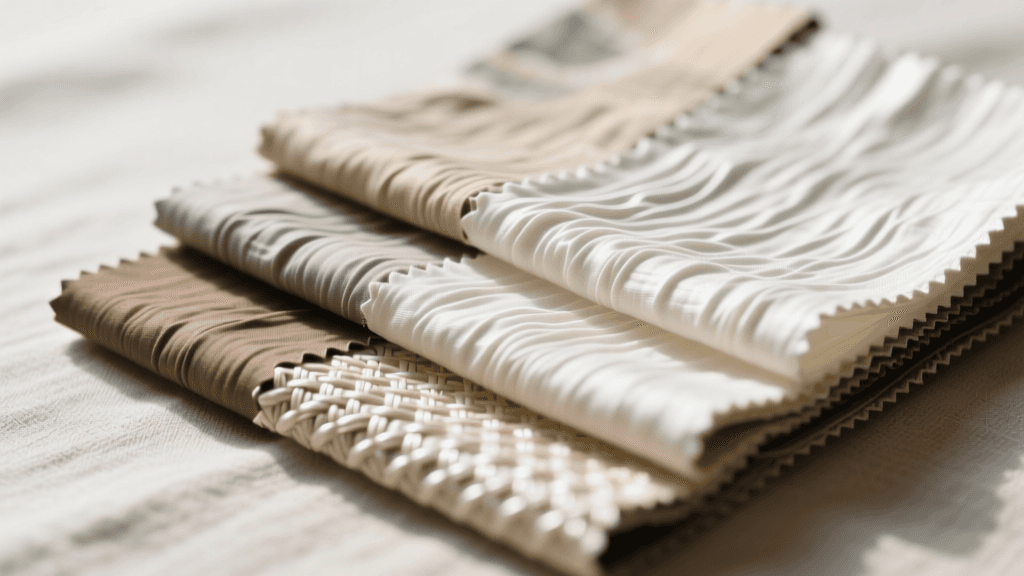
Chirimen is the most common fabric used for high-quality, formal kimono. It is created by using untwisted threads for the warp and tightly twisted threads for the weft. When the fabric is woven and subsequently washed, the tension in the weft threads relaxes, creating a distinctive pebbled, crinkled surface known as shibo.
- Actionable Identification: Rub the fabric gently between your thumb and index finger. Authentic Chirimen will feel slightly bumpy or textured, never perfectly smooth. When scrunched, it produces a soft, muted rustling sound rather than a sharp crispness.
- Best Use: Because the texture diffuses light beautifully and resists wrinkling, Chirimen is the standard for formal women's kimono, including the vibrant furisode (long-sleeved kimono for unmarried women) and the elegant houmongi (visiting wear).
2. Habutae (Plain Weave Silk)
Habutae is a plain-weave silk that is smooth, glossy, and fluid. Unlike Chirimen, the threads are not tightly twisted, resulting in a flat, lustrous surface that catches the light and drapes with a heavy, liquid elegance.
- Actionable Identification: Hold the fabric up to a light source. High-quality Habutae will have a slight translucency and a brilliant, reflective sheen. It feels cool and exceptionally smooth to the touch.
- Best Use: Due to its delicate nature and smooth surface, Habutae is frequently used for kimono linings (hiyoku), traditional undergarments (nagajuban), and men's formal crested kimono. It is also the preferred canvas for intricate, hand-painted Yuzen designs because the flat surface allows for precise brushwork.
3. Tsumugi (Silk Pongee)
Tsumugi represents the rustic, understated elegance of wabi-sabi. Historically woven from the broken or leftover silk threads that could not be used for fine, continuous filaments, Tsumugi is spun rather than reeled. This results in a fabric with irregular slubs, a matte finish, and a lightweight, breathable quality.
- Actionable Identification: Look closely at the weave. You will see slight irregularities and thick-and-thin variations in the thread. It lacks the shine of Habutae and the uniform pebbling of Chirimen, feeling instead like a very fine, soft linen or raw cotton.
- Best Use: Despite being made of 100% silk, Tsumugi is considered informal or semi-formal due to its rustic origins. It is highly prized for everyday tea ceremony wear, travel, and the sophisticated, muted aesthetics favored by older men and women.
Masterful Dyeing and Weaving Techniques
The transformation of raw silk into a masterpiece involves regional artisanal techniques that have been designated as Intangible Cultural Properties by the Japanese government. According to the Japanese Ministry of Economy, Trade and Industry (METI), there are over 230 designated traditional craft industries, many of which are dedicated exclusively to kimono textiles.
Yuzen Resist Dyeing
Yuzen is a paste-resist dyeing technique that allows for the creation of highly detailed, painterly designs that cover the entire garment. The process involves applying a waterproof rice paste (itome-nori) along the outlines of a design to prevent colors from bleeding into one another. There are two primary styles:
- Kyo-Yuzen (Kyoto): Known for its opulent, stylized motifs, extensive use of gold leaf, and vibrant, overlapping colors.
- Kaga-Yuzen (Kanazawa): Characterized by realistic, nature-inspired motifs (like leaves with insect bites) and a specific five-color palette (kaga-gosai) without the use of gold leaf.
Nishijin-ori (Nishijin Weaving)
Originating in Kyoto, Nishijin-ori is a yarn-dyed weaving technique where the threads are dyed before they are placed on the loom. Using complex Jacquard looms, weavers create incredibly dense, brocaded fabrics interwoven with gold and silver threads. The Nishijin Textile Center in Kyoto remains the epicenter of this craft, producing the luxurious obi (sashes) that can often cost more than the kimono itself. As noted by the Victoria and Albert Museum, the structural complexity of Nishijin weaving represents the pinnacle of Japanese textile engineering, requiring multiple artisans to operate a single traditional loom.
Shibori (Shaped Resist Dyeing)
Shibori encompasses various methods of folding, twisting, and binding fabric before dyeing it in indigo or other vats. Kanoko shibori (fawn-spot tie-dye) is the most labor-intensive, requiring artisans to tie thousands of microscopic knots by hand. When untied, the fabric reveals a 3D, textured pattern that is incredibly lightweight and breathable, making it highly sought after for summer garments.
Comprehensive Kimono Fabric Comparison Chart
| Fabric Type | Texture & Drape | Formality Level | Best Season | Estimated Vintage Cost (USD) |
|---|---|---|---|---|
| Chirimen | Pebbled, matte, heavy drape | Formal to Semi-Formal | Autumn, Winter, Spring | $80 - $400 |
| Habutae | Smooth, glossy, fluid | Formal (Lining/Undergarments) | All Seasons (as lining) | $40 - $150 |
| Tsumugi | Slubbed, matte, lightweight | Informal / Everyday | Autumn, Winter, Spring | $60 - $300 |
| Ro / Sha | Sheer, woven with gaps | Summer Formal / Informal | Mid-Summer (July-August) | $50 - $250 |
| Nishijin Brocade | Stiff, heavy, metallic | Formal Obi (Sashes) | All Seasons | $150 - $1,500+ |
Practical Guide: Buying, Measuring, and Caring for Silk
Purchasing a vintage or artisan kimono requires an understanding of Japanese measurements and proper textile maintenance. Unlike Western clothing, kimono are sold based on specific bodily dimensions rather than standard S/M/L sizes.
How to Measure for a Kimono
When buying online or from a dealer, you must know your Yuki and Mitake. Lay the kimono flat on the floor, fold it in half vertically (back seam to front edge), and measure the following:
- Mitake (Back Length): Measured from the base of the collar seam down to the hem. Ideally, this should equal your height minus 10 inches (or roughly from the nape of your neck to your ankle). Standard vintage lengths range from 150cm to 165cm.
- Yuki (Sleeve Length): Measured from the center back seam, across the shoulder, and down to the edge of the sleeve cuff. Actionable Tip: Your ideal Yuki is roughly the distance from the center of your spine, over your shoulder, to your wrist bone. A variance of +/- 3 cm is generally acceptable due to the adjustable nature of the kimono fold.
Cost Expectations and Authentication
When investing in kimono craftsmanship, condition is paramount. A brand-new, hand-painted Kyo-Yuzen kimono from a Kyoto atelier will easily cost between $3,000 and $15,000. Conversely, the vintage market offers incredible value. You can find pristine, mid-century Chirimen kimono for $100 to $300. Actionable Advice: Always perform the "smell test." Vintage kimono stored improperly in plastic will develop a pungent mildew or mothball odor that is nearly impossible to remove from silk. Always seek garments stored in traditional tatoushi (acid-free paper wrappers).
Professional Care and Storage
Silk kimono must never be washed with water, as this will destroy the rice-paste resists and cause the Chirimen crepe to lose its tension.
- Cleaning: Take your garment to a specialist who offers maru-arai (a specialized Japanese dry-cleaning process that uses solvents safe for silk dyes and gold leaf). Expect to pay $80–$150 per cleaning. Only clean the garment every 3 to 5 wears unless visibly stained.
- Storage: Never store silk on wire hangers; the weight of the fabric will distort the shoulders. Fold the kimono along its natural seams and store it flat in a drawer lined with acid-free paper. Include Japanese shikimol or natural cedar blocks to deter insects, but ensure the mothballs do not directly touch the silk, as they can cause chemical burns and yellowing.
Conclusion
The artistry of the kimono lies in its textiles. From the rustic, slubbed elegance of Tsumugi to the painterly brilliance of Yuzen-dyed Chirimen, every thread tells a story of regional heritage and artisanal dedication. By learning to identify these fabrics, understand their structural properties, and care for them properly, you do more than collect garments—you become a custodian of Japan's living textile history.