Celebrity and Influencer Kimono Trends: Style Guide
The Intersection of High Fashion and Traditional Garments
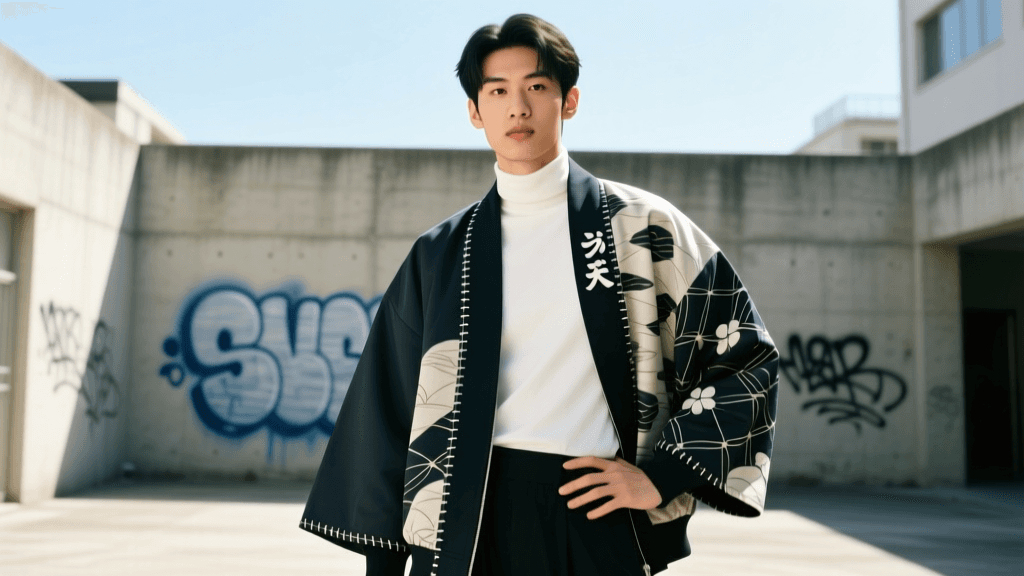
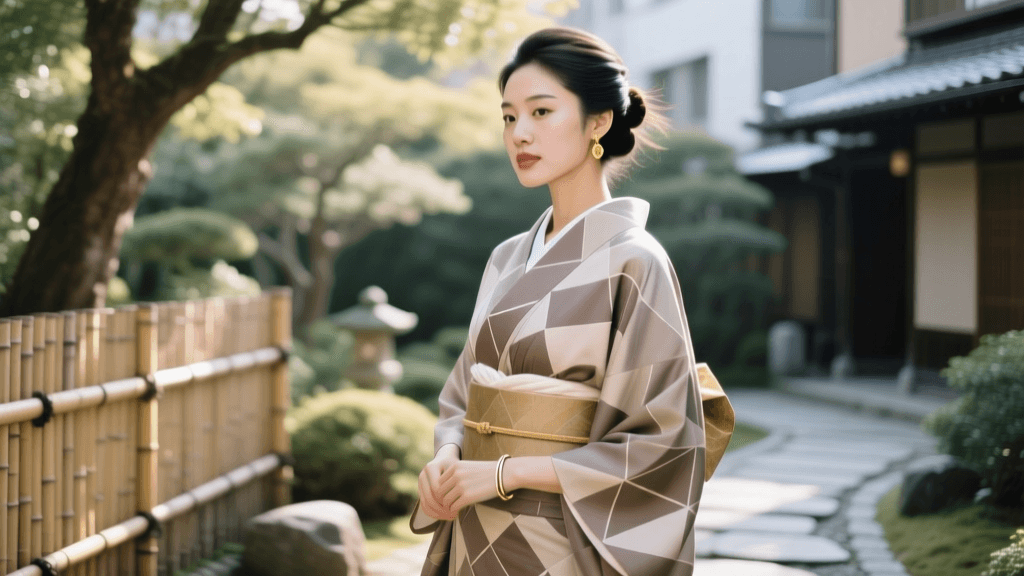
The kimono has long been a symbol of Japanese heritage, but in recent years, it has experienced a radical renaissance on global runways and social media feeds. No longer confined strictly to tea ceremonies or coming-of-age ceremonies, the garment is being reimagined by a new wave of celebrities, fashion editors, and digital influencers. From the streets of Harajuku to the red carpets of Paris, the 'Neo-Kimono' movement is blending centuries-old textile traditions with contemporary streetwear, avant-garde tailoring, and gender-fluid fashion.
As noted by the BBC Culture in their retrospective on the garment's global journey, the kimono has historically been a profound influencer on Western fashion, dating back to the Japonisme movement of the 19th century. Today, however, the influence flows in multiple directions. Influencers are pairing vintage silk kimono with chunky sneakers, while celebrities utilize obi belts to cinch modern evening wear. This guide breaks down the most prominent celebrity and influencer kimono trends, offering actionable advice, cost breakdowns, and styling tutorials so you can ethically and stylishly incorporate these looks into your own wardrobe.
Three Major Influencer Kimono Trends Dominating Social Media
1. The Sneaker and Combat Boot Crossover
Perhaps the most visible trend popularized by Tokyo-based street-style influencers and global pop stars is the pairing of traditional kimono with modern, heavy footwear. While purists might insist on zori (straw sandals) or geta (wooden clogs), the reality of navigating modern urban environments has led to a practical and highly aesthetic shift. Influencers frequently pair floral or geometric vintage kimono with classic white sneakers, such as the Nike Air Force 1, or heavy combat boots like Dr. Martens. This contrast creates a striking visual tension between the delicate, flowing silk of the garment and the rugged, utilitarian nature of the footwear. Furthermore, it eliminates the need for specialized tabi (split-toe socks), making the kimono much more accessible for casual, everyday wear.
2. The Obi as Outerwear and Corsetry
The obi—the wide sash used to secure the kimono—has become a standalone statement piece in the influencer sphere. Fashion editors and celebrities have been spotted wearing vintage, heavily embroidered maru obi or fukuro obi as wide corset belts over slip dresses, oversized blazers, and even denim jackets. A standard women's obi measures approximately 30 to 35 centimeters in width and 3.5 to 4.5 meters in length. When repurposed for modern styling, influencers often use leather harnesses or hidden elastic bands to secure the stiff, folded fabric around the waist without the need for complex traditional knotting (musubi). This trend highlights the incredible textile artistry of the obi, which often features gold and silver thread work that rivals high-end European couture.
3. Genderless and Androgynous Styling
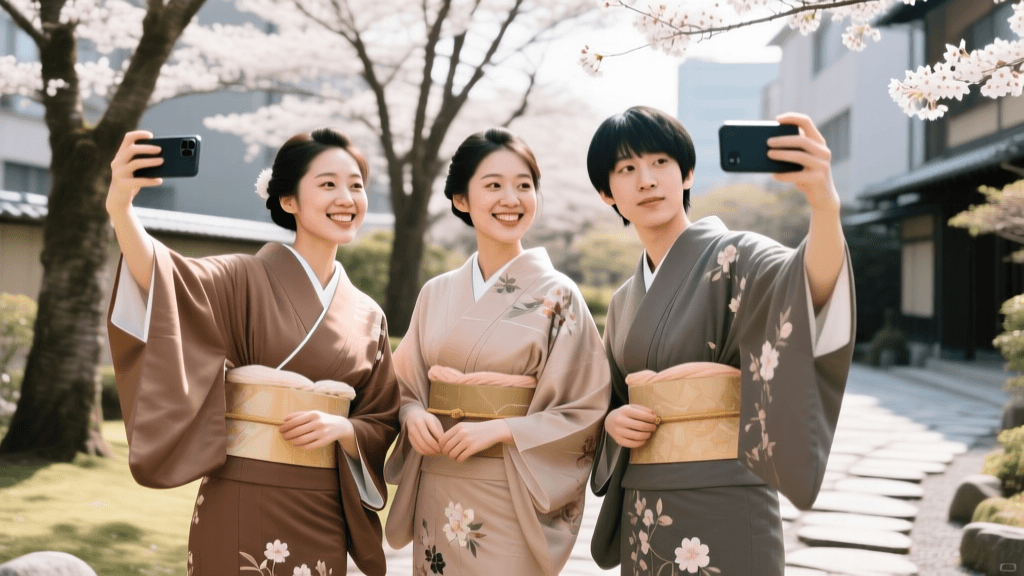
The traditional rules of kimono are heavily gendered, with distinct differences in sleeve length, color palettes, and tying methods for men and women. However, modern influencers and LGBTQ+ fashion advocates are dismantling these boundaries. The 'genderless kimono' trend involves wearing garments based on aesthetic preference rather than prescribed gender norms. Men and non-binary individuals are embracing the vibrant silks, longer sleeves, and elaborate floral motifs typically reserved for women, while women are adopting the subdued, geometric, and hakama-paired styles traditionally worn by men. This movement is not just a fashion statement but a profound cultural dialogue about identity and the fluidity of traditional garments.
Data Table: Traditional vs. Influencer 'Neo-Kimono' Styling
Understanding the differences between traditional kitsuke (the art of dressing) and the influencer-driven Neo-Kimono style is crucial for sourcing the right pieces and managing your budget. Below is a comparison chart detailing the practical differences.
| Styling Element | Traditional Approach | Influencer / Neo-Kimono Approach | Estimated Cost (USD) |
|---|---|---|---|
| Footwear | Zori or Geta with white Tabi socks | Chunky sneakers, combat boots, or loafers | $80 - $250 (Modern shoes) |
| Undergarments | Silk or cotton Juban with a Han-eri collar | Fitted turtlenecks, lace camisoles, or mesh tops | $20 - $60 (Modern basics) |
| Obi Securing | Obi-ita (board), Obi-makura (pillow), Koshi-himo (ties) | Leather belts, corset harnesses, or hidden safety pins | $30 - $150 (Leather accessories) |
| Accessories | Kanzashi (hairpins), Obi-jime (cord), Obi-age (scarf) | Layered chains, sunglasses, designer handbags | $50 - $300 (Modern accessories) |
| Silhouette | Cylindrical, hiding the body's natural curves | Defined waist, asymmetrical hems, exposed layers | N/A (Styling technique) |
Sourcing Guide: Where to Buy Influencer-Style Kimono
To achieve these looks without spending thousands of dollars on brand-new, artisan-crafted silk, influencers rely heavily on the vintage and secondhand market. Here is where you can source authentic pieces:
- Japanese Recycle Shops: Chains like 'Second Street' or 'Tansu-ya' in Japan offer vintage silk kimono for as little as $30 to $100. If you are not in Japan, proxy buying services like Buyee or ZenMarket can ship these directly to your door.
- Online Marketplaces: Etsy and eBay are treasure troves for vintage obi and haori (jackets). Search for terms like 'vintage silk haori,' 'Taisho roman kimono,' or 'Nishijin weave obi' to find high-quality textiles.
- Modern Washable Brands: For those who want the influencer look without the anxiety of dry-cleaning delicate silk, brands like Washable Silk Kimono (available via various Tokyo-based online retailers) offer polyester blends that mimic silk but can be thrown in a washing machine. These typically cost between $150 and $300.
Step-by-Step: Achieving the 'Street-Style' Silhouette
Recreating the effortless, avant-garde drape seen on fashion influencers requires a departure from strict traditional rules. Here is a practical tutorial for achieving the Neo-Kimono silhouette:
Step 1: The Asymmetrical Hemline
Traditional kimono are worn with the hem perfectly parallel to the ground. Influencers often pull the front panels slightly higher, creating an asymmetrical, high-low effect that reveals the footwear and adds dynamic movement. To do this, hold the front panels at your desired height before tying your first koshi-himo (waist tie). This also makes walking in long garments significantly easier.
Step 2: The Exposed Collar (Eri)
In traditional kitsuke, the back of the collar is pulled down to expose the nape of the neck, while the front is crossed tightly. The street-style trend often reverses or exaggerates this. Influencers might cross the collar deeply in the front for a more relaxed, robe-like appearance, or layer a contrasting lace turtleneck underneath to add texture and warmth during autumn months.
Step 3: The Haori as Outerwear
The haori is a hip- or thigh-length kimono jacket. Instead of tying it shut with the traditional haori-himo cord, influencers frequently wear it open like a duster coat or cardigan, belting it at the waist with a leather belt or leaving it to flow freely over jeans and a t-shirt. A standard vintage haori can be sourced for around $50 to $120 and serves as an excellent entry point into kimono fashion.
Navigating Cultural Appreciation in the Digital Age
As the kimono becomes a staple in global influencer fashion, the line between cultural appreciation and appropriation is a vital conversation. The fashion industry has faced severe backlash when traditional garments are used as mere costumes or when cultural terms are trademarked by foreign entities—most notably the 2019 controversy surrounding a Western celebrity's attempt to trademark the word 'Kimono' for a shapewear line.
True appreciation involves understanding the garment's history, supporting Japanese artisans, and respecting its structural integrity. According to the Victoria and Albert Museum, the kimono is inherently adaptable and has a long history of absorbing global influences while maintaining its core T-shaped structure. Furthermore, institutions like The Metropolitan Museum of Art emphasize the importance of recognizing the kimono not just as clothing, but as a canvas for Japanese art, poetry, and seasonal awareness.
'The most respectful way to participate in the Neo-Kimono trend is to purchase authentic, vintage garments or support contemporary Japanese designers, rather than buying cheap, mass-produced 'kimono-style' costumes from fast-fashion retailers.'
Conclusion
The celebrity and influencer-driven kimono revival is a testament to the garment's enduring versatility. By blending traditional silk textiles with modern streetwear elements, fashion innovators are ensuring that the kimono remains a living, breathing art form rather than a museum relic. Whether you are cinching a vintage obi over a blazer or pairing a floral silk robe with chunky sneakers, the Neo-Kimono movement offers endless opportunities for personal expression, provided it is approached with respect, knowledge, and a genuine appreciation for Japanese craftsmanship.