The Digital Silk Road: Growing a Kimono Vlogging Community
The Rise of the Kimono Influencer
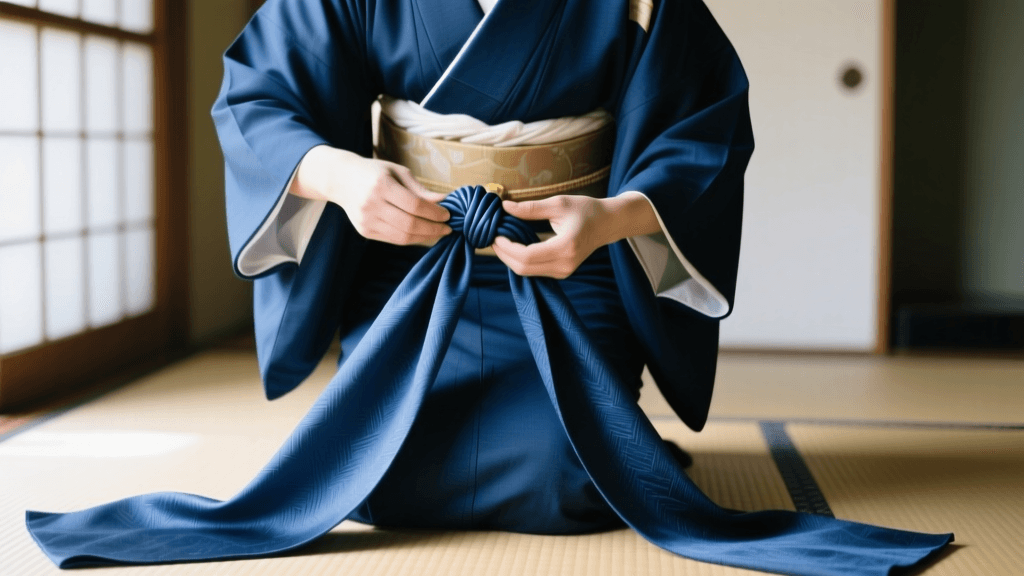
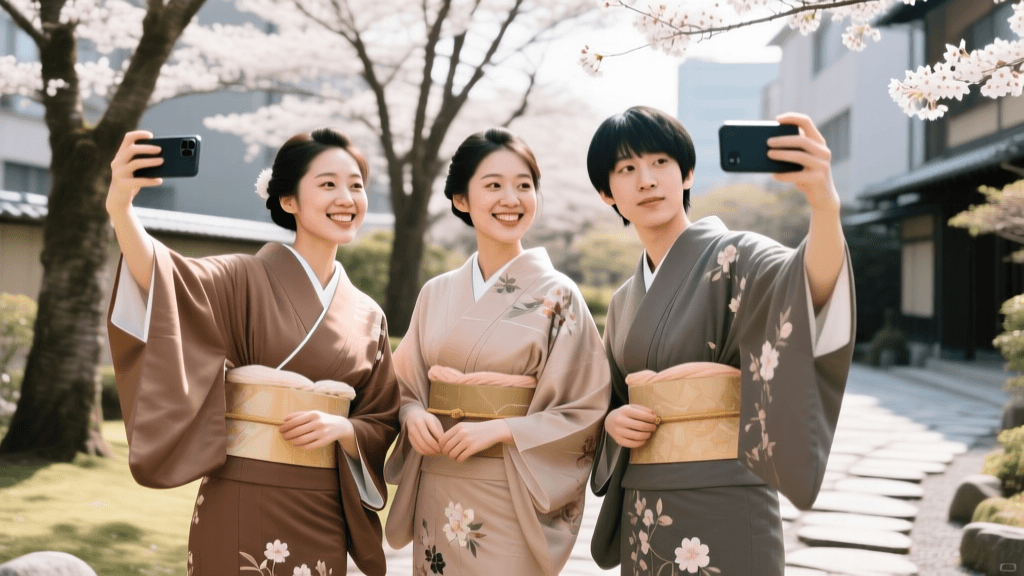
The intersection of traditional Japanese garments and modern digital media has birthed a vibrant and highly specialized niche: the kimono influencer. Far from mere cosplay or fleeting fashion trends, today’s kimono vloggers and content creators are cultural ambassadors, textile preservationists, and savvy digital entrepreneurs. They bridge the gap between centuries-old textile arts and contemporary global fashion, bringing the intricate world of kitsuke (the art of dressing) to a worldwide audience.
This global fascination is not entirely new, but its digital acceleration is unprecedented. As highlighted by the Victoria and Albert Museum's "Kimono: Kyoto to Catwalk" exhibition, the garment's influence extends far beyond Japan's borders, inspiring global designers, collectors, and enthusiasts alike. For the modern content creator, this means a built-in, highly engaged international audience hungry for authentic, educational, and visually stunning kimono content.
Choosing the Right Platform for Kimono Content
Not all social media platforms treat traditional textiles equally. The intricate details of a Nishijin-ori obi or the subtle gradients of a Yuzen-dyed hem require specific formats to truly shine. Below is a strategic breakdown of where kimono vloggers and influencers see the most success.
| Platform | Best For | Ideal Format | Audience Intent |
|---|---|---|---|
| Visual aesthetics, OOTD, detail shots | High-res Carousels, short Reels | Styling inspiration, visual discovery | |
| YouTube | In-depth tutorials, history, sourcing | Long-form video (10-20 mins) | Education, learning kitsuke steps |
| TikTok | Transformations, quick tips, trends | Vertical short-form (15-60 secs) | Entertainment, viral reach |
| Authentication, deep-dive discussions | Text posts, image galleries | Community support, historical facts |
Technical Guide: Filming and Photographing Silk
Capturing the true essence of a kimono requires a deep understanding of how light interacts with silk. Vloggers who master textile photography quickly rise to the top of the niche.
Lighting the Weave
Traditional fabrics like rinzu (silk damask) and chirimen (silk crepe) rely on texture. Direct, on-camera flash will flatten these textures and blow out the highlights on metallic threads. Instead, use a large, diffused light source. A 120cm octabox placed at a 45-degree angle to the garment will create soft shadows that accentuate the woven patterns of the silk. When filming outdoors, the 'golden hour' (shortly after sunrise or before sunset) provides directional, warm light that makes the sheen of habutai silk truly pop.
Camera Gear and Settings
To capture the micro-patterns of komon (repeating stencil dyeing), you need the right glass. A 50mm or 85mm prime lens with a wide aperture (f/1.8 or f/2.8) is ideal for isolating the subject and capturing sharp macro details of the obidome (obi clasp) and kanzashi (hair ornaments).
Pro Tip: When filming video, fine geometric patterns on kimono can cause 'moiré'—a distracting wavy interference pattern on digital sensors. To combat this, shoot in 4K, use a slightly softer focus profile, or avoid shooting perfectly parallel to tightly woven geometric grids.
Color Grading Yuzen and Kaga Dyes
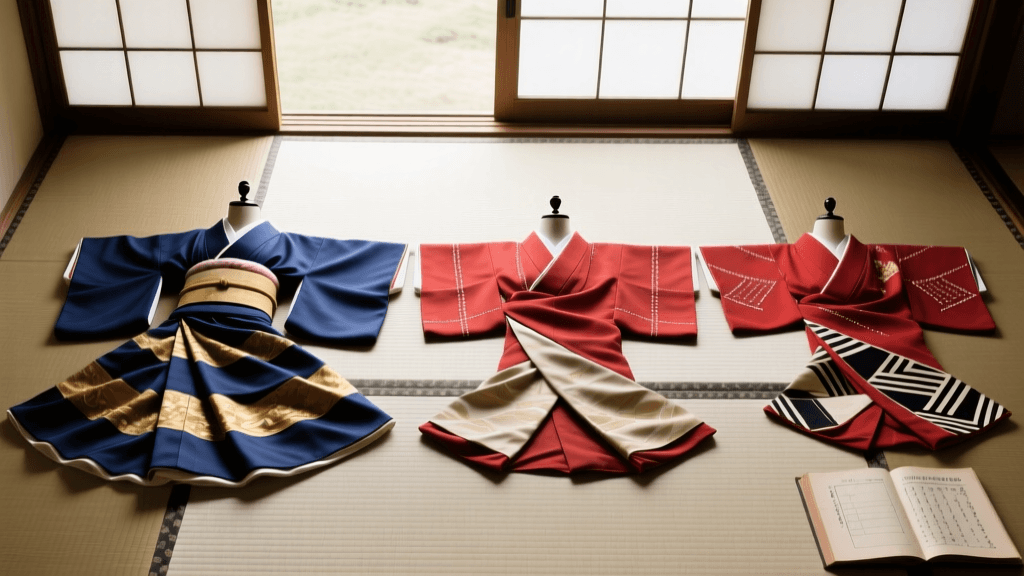
Yuzen and Kaga dyeing techniques produce famously vibrant and nuanced colors, from deep indigos to striking crimson reds. To ensure your audience sees the exact colors of the vintage piece you are reviewing, use a physical color checker passport on set. In post-production, this allows you to calibrate your footage, ensuring the delicate pastel cherry blossoms don't look artificially oversaturated.
Navigating and Building Online Kimono Communities
Building a loyal following in the kimono space requires more than just pretty pictures; it requires deep community integration and respect for the culture. The Reddit's r/kimono community is a prime example of a highly moderated, deeply knowledgeable space where enthusiasts share dressing tutorials, authenticate vintage pieces, and discuss textile history.
Community Etiquette and Authenticity
The kimono community values historical accuracy and respect for the garment's origins. When vlogging or posting, adhere to these community standards:
- Era Identification: Never guess the era of a garment without proof. Use terms like 'Showa-era' (1926–1989) or 'Taisho-era' (1912–1926) only when verified by the basting stitches, lining material, or sleeve length.
- Cultural Respect: Avoid referring to kimono as 'costumes' or 'robes.' Use the correct terminology (e.g., juban for undergarments, haori for jackets).
- Constructive Kitsuke: If a community member asks for a 'kitsuke check' (a review of their dressing), offer gentle, actionable advice rather than harsh criticism. Point out specific adjustments, like tightening the koshihimo (tying cords) or adjusting the ohashori (waist fold).
Hosting Collaborative Projects
Engagement thrives on participation. Successful influencers often host virtual 'kitsuke challenges' tied to the traditional Japanese calendar. For example, challenging your followers to coordinate an outfit featuring autumn maple motifs (momiji) in November, or plum blossoms (ume) in February, creates a shared, community-driven experience that boosts algorithmic engagement.
Sourcing, Reviewing, and Monetization
A major pillar of kimono vlogging is the 'haul' or 'review' video, where creators showcase recently acquired vintage or antique pieces. When discussing the historical context of these garments, referencing institutions like the Metropolitan Museum of Art's Asian Art Department adds immense credibility to your reviews of Edo-period kosode or Meiji-era uchikake.
The Economics of Vintage Sourcing
Transparency about the costs and logistics of sourcing kimono from Japan is highly valued by viewers. Break down the real costs in your videos to provide practical value. A typical vintage sourcing pipeline looks like this:
- Auction Sites: Yahoo! Auctions Japan or Rakuma for rare, unlisted vintage pieces.
- Proxy Services: Using services like Buyee or ZenMarket (adds a 10-15% fee plus domestic shipping).
- International Shipping: EMS or DHL (typically $30-$60 USD depending on the weight of heavy winter obi).
- Customs and Duties: Varies by country; always remind your audience to check local import taxes on silk textiles.
Monetization Strategies for Kimono Creators
Because the kimono niche is highly specialized, traditional ad revenue (like YouTube AdSense) may not be as lucrative as in broader fashion niches. Instead, successful vloggers diversify their income streams:
- Affiliate Marketing: Partnering with proxy buying services, Japanese craft supply stores, or online kimono retailers like Ichiroya and Yamatoku.
- Patreon and Memberships: Offering exclusive, slow-paced, multi-angle kitsuke tutorials, printable obi-tying cheat sheets, and early access to vintage shop restocks.
- Digital Products: Selling digital guides on kimono care, how to wash vintage silk safely, or how to build a starter kimono wardrobe on a budget.
- Upcycling Workshops: Teaching followers how to turn damaged, unwearable kimono into modern accessories like kinchaku (drawstring bags) or hanao (zori sandal straps).
Conclusion
The digital silk road is paved with pixels, passion, and profound respect for Japanese heritage. For the aspiring kimono influencer or vlogger, success lies not just in the aesthetic beauty of the garments, but in the depth of knowledge shared with the community. By mastering the technical aspects of silk photography, engaging respectfully with global communities, and providing transparent, actionable sourcing advice, content creators can build a thriving, sustainable platform that ensures the art of the kimono continues to flourish in the digital age.