From Heian Layers to Edo Kosode: Historical Kimono Guide
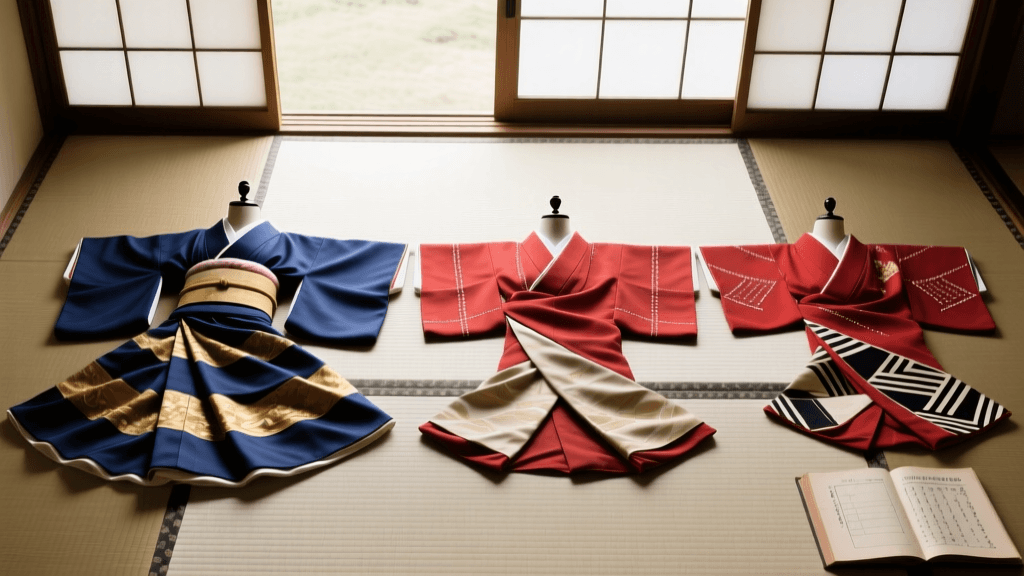
The evolution of Japanese traditional garments is a fascinating journey through time, reflecting shifts in political power, social hierarchy, and aesthetic philosophy. For collectors, historians, and enthusiasts of Asian traditions, understanding the transition from the lavish courtly layers of the Heian period to the refined, structured silhouettes of the Edo period is essential. This guide explores the dynastic fashion of Japan, offering practical advice for identifying, sourcing, and preserving antique kosode and early kimono.
The Heian Period (794–1185): Courtly Elegance and the Jūnihitoe
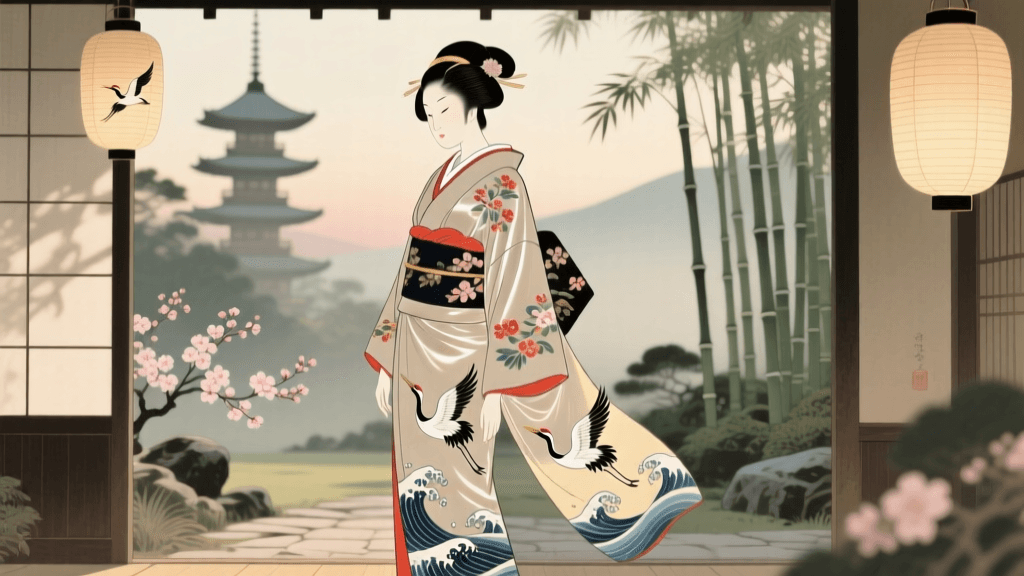
The Heian period represents the zenith of Japanese courtly culture, isolated from mainland Asian influences and focused on an indigenous aesthetic known as kokufu. The defining garment of this era for aristocratic women was the jūnihitoe, or 'twelve-layer robe.' In reality, this ensemble could consist of up to twenty layers of unlined silk robes, worn over a base garment and culminating in a sheer silk train.
The true artistry of Heian fashion lay in kasane no irome—the meticulous layering of colors to reflect the seasons, poetic motifs, and the wearer's rank. For instance, a spring ensemble might feature layers of cherry blossom pink, pale green, and deep crimson, visible only at the cuffs, hem, and collar. Because the garments were so heavy and restrictive, movement was minimal, and the focus was entirely on the visual poetry of the layered textiles. Today, authentic Heian garments are virtually non-existent outside of museum archives, such as those documented by the Metropolitan Museum of Art, making them the holy grail for institutional collectors rather than private buyers.
The Kamakura and Muromachi Periods (1185–1573): The Rise of the Kosode
As political power shifted from the imperial court in Kyoto to the military samurai class in Kamakura, fashion underwent a radical simplification. The samurai valued martial prowess and practicality over courtly decadence. Consequently, the elaborate jūnihitoe was abandoned. In its place, the kosode—which had previously served as a plain silk undergarment for both men and women during the Heian period—began to emerge as the primary outer garment.
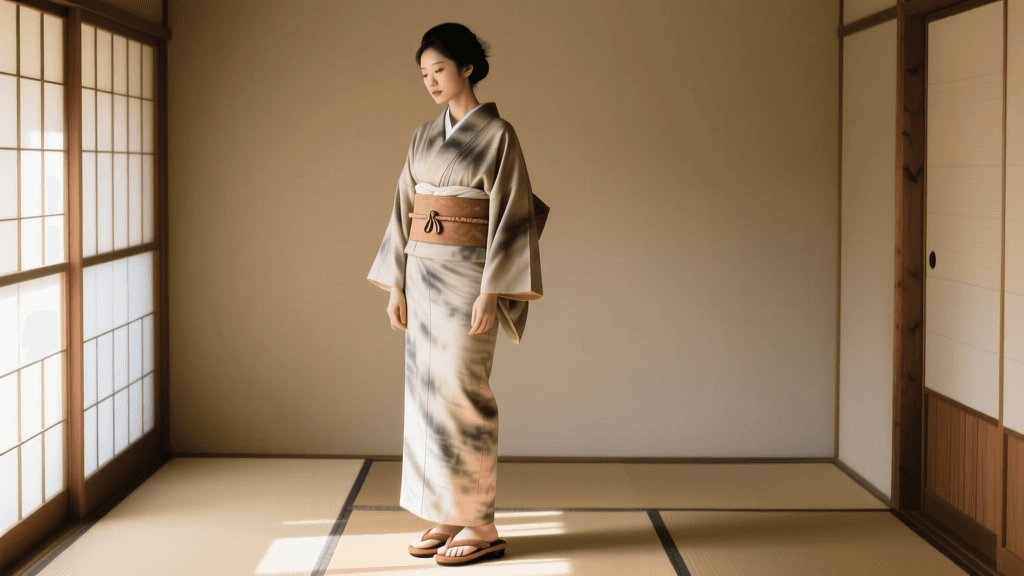
The kosode translates to 'small sleeve,' referring to the narrow sleeve opening compared to the wide, open sleeves of the Heian court robes. During the Muromachi period, women began wearing the kosode without the traditional pleated trousers (hakama) underneath, securing it with a narrow, practical sash. This era laid the foundational silhouette for what the world now recognizes as the kimono. The textiles of this period featured intricate weaving techniques like nishiki (brocade) and surihaku (gold leaf application), reflecting the growing wealth of the merchant class and the patronage of the Ashikaga shoguns.
The Edo Period (1603–1867): Merchant Wealth and the Modern Kimono
The Edo period, characterized by over 250 years of peace under the Tokugawa shogunate, was a golden age for Japanese textiles and fashion. With the rise of a wealthy urban merchant class (chōnin) in cities like Edo (Tokyo), Kyoto, and Osaka, fashion became a primary means of social expression. However, the shogunate frequently enacted strict sumptuary laws to prevent merchants from outshining the samurai class in public displays of wealth.
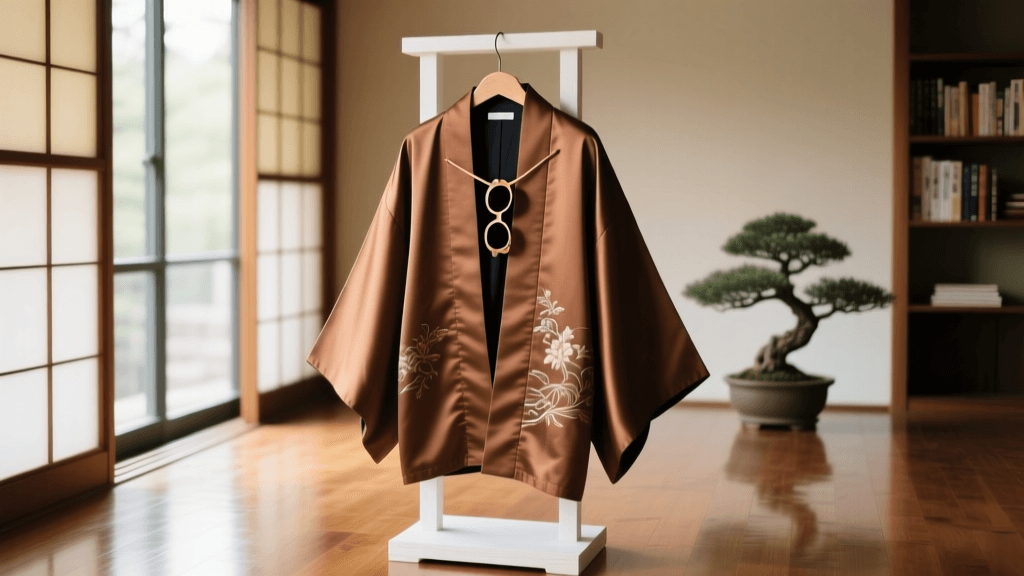
This suppression birthed the aesthetic of iki—subtle, understated elegance. Merchants would wear outwardly subdued, dark-colored garments lined with incredibly expensive, vividly dyed silks, a practice known as ura-masari (hidden luxury). It was also during the Edo period that the revolutionary yuzen dyeing technique was perfected, allowing artisans to paint elaborate, pictorial designs directly onto silk using resist-dye paste. Furthermore, the narrow sash of previous eras evolved into the wide, decorative obi we see today, shifting the focal point of the garment's decoration toward the lower half and the back.
'The Edo period transformed the kimono from a simple wrapped garment into a complex canvas of social identity, regional pride, and unparalleled textile engineering.' — Victoria and Albert Museum
Collector’s Guide: Sourcing Antique Japanese Garments
For modern collectors, the Edo, Meiji (1868–1912), and Taisho (1912–1926) periods offer the most accessible and diverse market for antique Japanese garments. When sourcing historical pieces, understanding measurements, fabric types, and market pricing is crucial.
Understanding Vintage Sizing and Measurements
Unlike Western tailoring, which cuts fabric to fit the body's curves, traditional Japanese garments are constructed from straight bolts of fabric (tanmono). Antique kimono were custom-tailored to the individual, meaning 'one size' does not exist. When evaluating an antique kosode or early kimono, you must look at four key measurements:
- Yuki (Sleeve Length): Measured from the center back of the neck to the wrist. Antique garments often have a shorter yuki (around 60–64 cm) compared to modern standards (66+ cm), reflecting the shorter average stature of historical populations.
- Mitake (Back Length): Measured from the base of the collar to the hem. Vintage pieces may require an ohashori (the waist fold) adjustment, or they may have been tailored for a specific height.
- Sodehaba (Sleeve Width): The horizontal width of the sleeve. Edo period kosode often feature narrower sleeves than the sweeping furisode of the modern era.
- Okumi (Front Panel Width): Determines how much the garment can overlap at the front. Older garments sometimes have narrower front panels, which can make them difficult to wrap securely for modern wearers.
Pricing and Market Availability
The market for antique Japanese textiles is vast, but pricing varies wildly based on era, condition, and provenance. According to market data from international antique textile dealers and cultural tourism resources like the Japan National Tourism Organization, here is what collectors can expect when sourcing historical garments:
| Historical Era | Garment Type | Collector Availability | Estimated Price Range (USD) |
|---|---|---|---|
| Heian / Kamakura | Court Robes / Early Kosode | Extremely Rare (Museums only) | $5,000 - $20,000+ (Fragments/Replicas) |
| Edo Period | Merchant Kosode, Samurai Kamishimo | Rare to Moderate | $400 - $2,500 |
| Meiji Period | Yuzen Silk, Early Haori | High | $150 - $800 |
| Taisho / Early Showa | Everyday Kimono, Kasuri Cotton | Abundant | $40 - $200 |
Practical Preservation: Caring for Historical Textiles
Acquiring an Edo or Meiji period garment is only the first step; preserving it requires strict environmental controls. Historical Japanese silks and hemp fabrics are highly susceptible to humidity, light damage, and acidic degradation.
- Storage Environment: Maintain a stable relative humidity of 45–55% and a temperature around 65°F (18°C). Fluctuations cause silk fibers to expand and contract, leading to micro-tears.
- Archival Materials: Never store antique kimono in plastic bags, which trap moisture and emit off-gassing chemicals. Wrap garments in acid-free, unbuffered tissue paper and store them in flat, archival-quality cardboard boxes or cedar chests (tansu).
- The Tansu Tradition: Traditionally, Japanese garments were stored in tansu (wooden chests). Paulownia wood (kiri) is the gold standard for antique storage, as it naturally regulates humidity and repels insects. If purchasing a vintage kiri tansu, ensure it has not been treated with modern chemical varnishes.
- Airing Out (Mushiboshi): In Japan, the practice of mushiboshi involves airing out textiles during the dry, cool autumn months to prevent mold and moth damage. Replicate this by carefully unfolding your antiques in a shaded, climate-controlled room for a few hours once a year.
Conclusion
From the poetic, layered silks of the Heian aristocracy to the hidden luxuries of the Edo merchants, Japanese historical fashion is a masterclass in textile artistry and cultural adaptation. For the dedicated collector, understanding the dynastic shifts that shaped the kosode and the early kimono provides a profound connection to Japan's past. By applying rigorous measurement standards, respecting historical pricing, and utilizing traditional preservation methods, you can safeguard these wearable artifacts for generations to come.