Mastering Kimono Accessories: Obi-Jime, Obi-Age, and Zori Guide
The Art of Kimono Coordination: Beyond the Main Garment
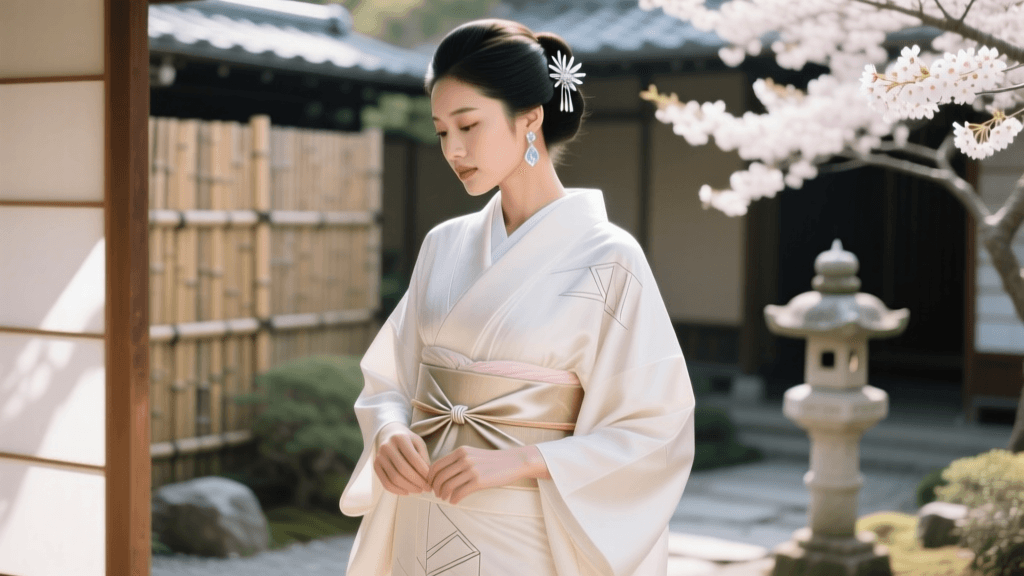
When most people envision traditional Japanese clothing, they immediately picture the sweeping sleeves and vibrant patterns of the kimono itself. However, true mastery of kitsuke (the art of dressing in a kimono) lies not just in the selection of the primary garment, but in the meticulous coordination of its accessories. According to The Metropolitan Museum of Art, the evolution of the kimono from the Heian period to the modern era transformed it into a highly structured canvas where every supplementary element carries profound cultural and aesthetic weight.
Among the most critical of these elements are the obi-age (sash scarf), obi-jime (decorative cord), and zori (formal sandals). These accessories do not merely serve functional purposes; they dictate the formality of the outfit, reflect the changing seasons, and express the wearer's personal taste. In Japanese culture, the concept of TPO (Time, Place, and Occasion) is strictly observed, and misjudging the formality of your accessories can be as glaring as wearing sneakers with a tuxedo. This comprehensive guide will break down the rules, measurements, and styling techniques for mastering kimono accessories.
Obi-Age: The Silk Scarf of the Sash
The obi-age is a rectangular piece of cloth, typically measuring about 30 centimeters in width and 100 to 120 centimeters in length. Its primary functional purpose is to cover and conceal the obi-makura (the pillow-like pad used to create volume in the obi knot). Aesthetically, it acts as a vibrant frame for the obi, adding a crucial pop of color and texture just beneath the bust line.
Materials and Formality
- Shibori (Tie-Dye) Silk: Highly textured and casual. Shibori obi-age are predominantly worn with yukata, komon (everyday patterned kimono), and tsumugi (woven silk). The tactile bumps of the tie-dye process are considered too informal for high-tier events.
- Chirimen (Crepe) Silk: Smooth with a slight pebbled texture. This is the standard for semi-formal to formal wear, including tsukesage and homongi.
- Rinzu (Satin) and Brocade: Woven with subtle glossy patterns or metallic threads. These are reserved for the highest levels of formality, such as furisode (unmarried women's formal wear) and kurotomesode (married women's formal wear).
When coordinating an obi-age, a common rule of thumb is to match it to the hashiiro (the contrasting edge color) of the obi, or to pick up a secondary color from the kimono's pattern. For formal events, the obi-age should be tied tightly and neatly, with only a thin, precise line of the fabric visible above the obi. For casual wear, it can be tied more loosely, allowing more of the fabric to show in a relaxed, puffy style.
Obi-Jime: The Decorative Cord
The obi-jime is a braided cord, usually around 150 centimeters long and 1 centimeter thick, tied securely over the center of the obi to hold the complex knot in place. As noted by Encyclopedia Britannica, the intricate braiding techniques used for these cords, known as kumihimo, have been a revered Japanese craft for centuries, originally used for samurai armor and horse tack before transitioning to fashion accessories.
Types of Obi-Jime
- Marugumi (Round Cord): The most common type, versatile and suitable for almost all occasions. Thicker, plush round cords are often used for winter and formal wear, while thinner, tightly braided cords are preferred for summer.
- Hiragumi (Flat Cord): Woven flat, often resembling a narrow ribbon. These are generally more casual and are frequently paired with yukata or everyday komon.
- Maruguke (Stuffed Cord): A hollow, stuffed cord that is very thick and plush. This is strictly reserved for highly formal occasions and bridal wear.
The Obi-Dome: A Touch of Jewelry
For semi-casual and casual outfits, wearers often thread an obi-dome (a decorative brooch) through a flat or thin round obi-jime. Obi-dome can be crafted from lacquer, coral, jade, or precious metals. It is important to note that obi-dome are generally considered too casual for strict formal events like tea ceremonies or weddings, where the beauty of the braided cord itself should take center stage.
Zori and Tabi: Footwear Formality
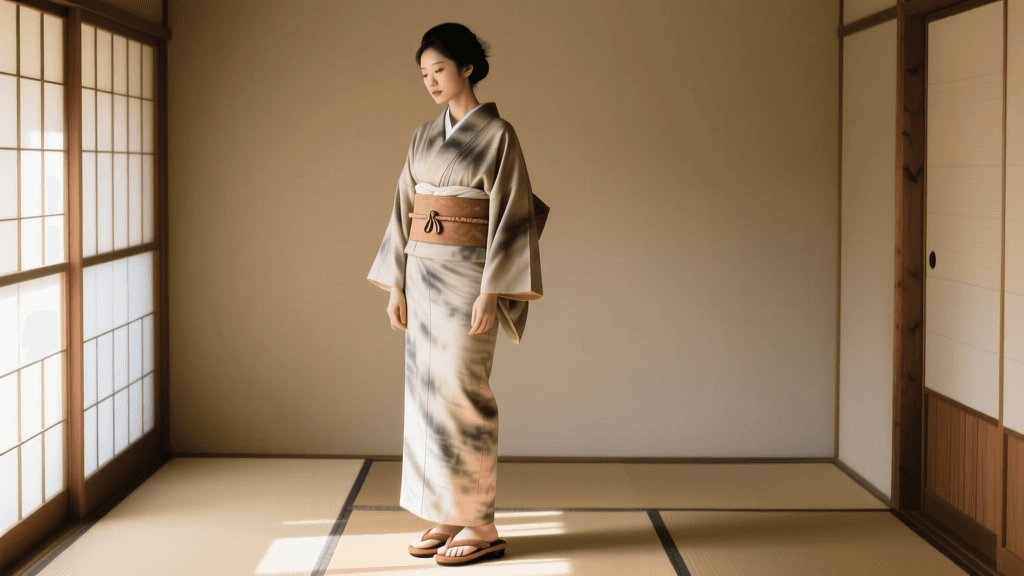
Footwear is the final anchor of the kimono ensemble. Unlike Western shoes, traditional Japanese footwear is not sized by strict numerical measurements but rather by the length of the dai (the base) and the color of the hanao (the thongs). When wearing zori, it is customary for the heel to slightly overhang the back edge of the base by about half an inch; a shoe that is too large is considered clumsy and inelegant.
Zori vs. Geta
Zori are flat, thonged sandals made from materials like vinyl, leather, brocade, or tatami straw. They are the standard footwear for everything from semi-formal gatherings to the most prestigious formal events. High-end formal zori often feature a thick, brocade-covered platform and metallic hanao. The base is constructed with three holes through which the hanao are threaded and knotted securely underneath.
Geta, on the other hand, are elevated wooden sandals. While lacquered, high-quality geta can be worn with very formal kimono in specific regional or traditional contexts, standard wooden geta are overwhelmingly casual. They are the traditional pairing for yukata and everyday wool or cotton kimono. The distinctive 'clack-clack' sound of geta is a beloved auditory hallmark of casual summer festivals.
Tabi Socks
Tabi are the split-toe socks worn with both zori and geta. The rule for tabi is remarkably strict: white is for formal wear, and colors or patterns are for casual wear. A crisp, white cotton or silk tabi is mandatory for any formal kimono (homongi, tomesode, furisode). For casual outings, yukata, or fashion-forward street style, wearers might choose tabi in dark colors, lace, or featuring subtle seasonal embroidery.
Formality Chart: Matching Accessories to Kimono Types
To simplify the complex rules of kitsuke, refer to the following coordination chart. This table outlines the appropriate accessory pairings based on the formality of the primary kimono.
| Kimono Type | Formality Level | Obi-Age Style | Obi-Jime Style | Zori Type | Tabi Color |
|---|---|---|---|---|---|
| Yukata | Very Casual | None or Shibori | Hiragumi (Flat) or None | Wooden Geta | Barefoot or Colored |
| Komon | Casual / Everyday | Shibori or Chirimen | Thin Marugumi w/ Obi-dome | Vinyl or Straw Zori | White or Patterned |
| Tsukesage | Semi-Formal | Chirimen Silk | Standard Marugumi | Leather or Brocade Zori | White |
| Homongi | Formal | Smooth Chirimen or Rinzu | Thick Marugumi (Gold/Silver) | Brocade Zori | White |
| Kurotomesode | Ultra-Formal | White Rinzu or Brocade | Maruguke or Gold/Silver Cord | Thick Brocade Zori | White |
Seasonal Rules and Color Coordination
Japanese traditional dress is deeply intertwined with the natural world. The concept of shun (seasonality) dictates not only the motifs on the kimono but also the colors of the accessories. In spring, pastel obi-age and obi-jime in shades of cherry blossom pink, wisteria, and pale yellow are favored. Summer calls for cool, translucent tones like ice blue, mint, and stark white, often utilizing sheer or loosely woven cords to evoke a sense of coolness. Autumn embraces rich, warm hues such as maple red, ochre, and deep plum, while winter utilizes deep greens, navy, and pure white, often incorporating metallic threads to mimic frost and snow.
"The harmony of a kimono ensemble is never accidental. It is a calculated balance of color, texture, and formality that speaks volumes before the wearer even utters a word."
When matching colors, avoid using the exact same shade for the obi, obi-age, and obi-jime, as this creates a flat, monotonous look. Instead, use analogous colors (colors next to each other on the color wheel) or complementary colors to create depth. For example, a deep navy obi might be paired with a silver obi-jime and an obi-age featuring a subtle silver and pale blue gradient.
Practical Tips for Buying and Caring for Accessories
Building a collection of kimono accessories can be an affordable entry point into traditional Japanese fashion. While a high-quality, hand-painted kimono can cost thousands of dollars, vintage obi-jime and obi-age can often be found at flea markets in Kyoto or Tokyo, or through specialized online retailers, for a fraction of the cost.
Storage and Maintenance
- Airing Out: After wearing, always untie the obi-jime and lay the obi-age flat to air out. Silk retains moisture and body oils, which can lead to mold or permanent staining if stored immediately in a confined space.
- Untangling Cords: Never store an obi-jime in a tight knot. This will permanently warp the kumihimo braiding. Wrap it loosely in a figure-eight pattern around your fingers and secure it with a piece of acid-free tissue paper.
- Zori Care: The hanao (thongs) of zori can stretch and loosen over time. If the thongs become too loose, they can be tightened or replaced by a specialized cobbler. Store zori in a cool, dry place away from direct sunlight to prevent the vinyl or leather base from cracking.
Mastering the coordination of obi-age, obi-jime, and zori requires patience and an understanding of Japan's rich sartorial history. By respecting the rules of formality and embracing the seasonal aesthetics of these beautiful accessories, you elevate the kimono from a simple garment to a profound expression of art and culture.