Modern Kimono Styling for Weddings and Formal Galas
The Renaissance of the Kimono in Modern Formalwear
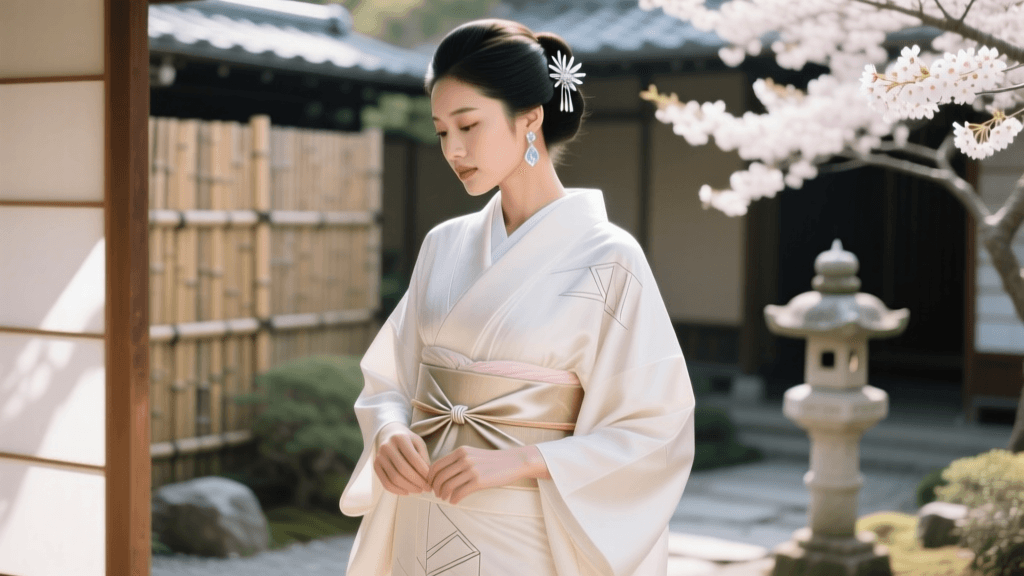
The kimono is often mistakenly viewed by the global public as a static relic of the past, reserved exclusively for traditional tea ceremonies, shrine visits, or coming-of-age ceremonies. However, within Japan and among international fashion enthusiasts, the kimono is experiencing a vibrant renaissance as a premier choice for modern formalwear. From black-tie galas and international film festivals to contemporary luxury weddings, the kimono holds its own alongside Western haute couture. When styled correctly, it offers a silhouette that is both deeply respectful of heritage and strikingly avant-garde.
According to cultural historians and resources like Tofugu's comprehensive guide to Japanese garments, the kimono's T-shaped structure provides a unique canvas for personal expression through layering, textile selection, and accessory pairing. For modern occasions, the key to successful styling lies in understanding the strict hierarchy of traditional formality while thoughtfully integrating contemporary elements that suit modern venues, such as marble-floored ballrooms and outdoor garden receptions.
Choosing the Right Kimono for the Occasion
Selecting the appropriate kimono is the most critical step in your styling journey. Japanese formalwear is governed by a complex set of rules based on the wearer's marital status, the formality of the event, and the relationship to the host. Wearing a garment that is too casual will appear disrespectful, while wearing one that is too formal can be seen as an attempt to outshine the host or bride.
Homongi vs. Tsukesage vs. Furisode vs. Tomesode
For weddings and galas, you will primarily choose between four types of silk garments. The Homongi (visiting wear) features patterns that flow continuously across the seams, making it a highly formal and elegant choice for wedding guests and gala attendees. The Tsukesage is slightly less formal, with patterns that do not cross the seams, making it perfect for cocktail parties and dinner receptions. Unmarried women often opt for the Furisode, characterized by its dramatic, floor-sweeping sleeves. Meanwhile, married women attending a close family member's wedding will wear the Tomesode, the most formal garment featuring family crests and patterns restricted to the hemline.
| Kimono Type | Formality Level | Pattern Placement | Best Modern Occasion | Estimated Rental Cost (JPY) |
|---|---|---|---|---|
| Homongi | High | Continuous, flows across seams | Wedding Guest, Formal Galas | 10,000 - 15,000 |
| Tsukesage | Medium-High | Disjointed, mainly below shoulders | Cocktail Parties, Dinner Receptions | 7,000 - 12,000 |
| Furisode | Highest (Unmarried) | Long swinging sleeves, vibrant | Coming-of-Age, Wedding Guest | 15,000 - 25,000 |
| Tomesode | Highest (Married) | Black with crests, pattern only at hem | Close Relative of the Bride | 15,000 - 30,000 |
Contemporary Obi Styling and Knots
The obi (sash) is the structural and visual anchor of the kimono. For highly formal events, the fukuro obi is the standard. Traditionally, married women wear the taiko musubi (drum knot), which is understated and elegant, while unmarried women wear the fukura suzume (puffed sparrow knot). However, modern styling allows for subtle deviations to suit contemporary aesthetics.
For a modern gala, consider incorporating a metallic or subtly beaded obijime (the decorative cord tied over the obi). While traditional obijime are braided silk, contemporary artisans are crafting cords with metallic threads, leather accents, or even subtle gemstone clasps that catch the light in dimly lit ballrooms. Additionally, the obidome (the ornamental brooch worn on the obijime) can be swapped from traditional coral or jade for modern minimalist metalwork or vintage European brooches, creating a stunning cross-cultural fusion that elevates the formalwear.
Footwear and Accessories: Blending Eras
One of the most common dilemmas for modern kimono wearers attending Western-style formal events is footwear. Traditional zori (sandals) and tabi (split-toe socks) are designed for tatami mats and flat surfaces. Navigating a modern venue with cobblestone paths, thick carpet, or slippery marble floors can be hazardous and uncomfortable in traditional footwear.
If you choose to wear modern heels, the kimono's hemline must be adjusted. Traditionally, the kimono is worn long, with an ohashori (a deep fold at the waist) to adjust the length. When wearing a 2-inch to 3-inch heel, the ohashori is minimized or eliminated entirely, and the kimono is tailored or pinned to hit just above the ankle bone. This prevents the hem from dragging and allows the wearer to walk confidently in heels. If you prefer traditional zori, invest in high-quality urethane-soled zori which offer better grip and cushioning than traditional woven soles.
Regarding bags, traditional hakoseko or small woven baskets often lack the capacity for modern necessities like smartphones and lipstick. For galas, a structured, metallic clutch or a beaded evening bag that complements the obi is not only acceptable but highly encouraged in modern styling circles.
Hair, Makeup, and Jewelry Synergy
Because the kimono covers the body almost entirely from the neck down, the nape (eri-nuki) and the face become the primary focal points. For modern formal events, heavy traditional white makeup is entirely inappropriate unless you are a geiko or maiko. Instead, opt for a flawless, dewy modern complexion with a bold lip color that echoes a secondary hue in your kimono's pattern.
Hair should be styled in an elegant updo to showcase the nape of the neck, which is considered highly elegant in Japanese aesthetics. While traditional kanzashi (hairpins) are beautiful, they can sometimes clash with modern formalwear. A minimalist approach works best: a single, high-quality tortoiseshell pin, or a modern metallic hair cuff, provides sophistication without overwhelming the silhouette. Skip necklaces entirely, as they disrupt the clean lines of the kimono collar; instead, rely on statement earrings or a delicate hairpiece.
Practical Guide: Timeline and Budget
Preparing for a formal event in a kimono requires significantly more logistical planning than slipping into a Western gown. Professional dressing, known as kitsuke, is almost mandatory for formal silk garments to ensure the collar is perfectly aligned and the obi is securely tied.
- 3 Months Prior: Secure your kitsuke appointment and reserve your kimono rental, or begin sourcing vintage silk if purchasing. For those navigating the economics of traditional wear, Japan Cheapo's rental breakdown highlights that booking early secures the highest quality silk.
- 1 Month Prior: Finalize the obi, obijime, and obidome accessories. Break in your tabi socks by wearing them around the house to soften the stiff cotton.
- 1 Week Prior: Confirm event venue flooring (marble, grass, tatami) to finalize footwear choices and adjust hem measurements accordingly.
- Day Of: Allocate 90 minutes for professional dressing. Eat a light, easily digestible meal beforehand, as the obi will be tied tightly around your ribs and stomach.
Budget Breakdown: A full premium rental package (kimono, obi, accessories, and dressing service) typically ranges from 15,000 to 35,000 JPY ($100 - $230 USD). Purchasing a new, custom-tailored silk Homongi can easily exceed 500,000 JPY ($3,300 USD), making high-end vintage markets or specialized rental boutiques the most practical route for one-off galas.
Cultural Etiquette and Modern Rules
Even as the kimono adapts to modern settings, certain cultural boundaries remain rigid. Never wear white to a wedding, as this color is strictly reserved for the bride (specifically the shiromuku or iro-uchikake). Additionally, avoid wearing garments with five family crests (itsutsu-mon) unless you are an immediate family member of the bride or groom, as doing so is considered an arrogant attempt to elevate your status above other guests.
When traveling or attending events in unfamiliar venues, platforms like Japan Experience recommend familiarizing yourself with the spatial requirements of the garment. The wide sleeves of a furisode or the long hem of a formal homongi require spatial awareness; learn the graceful art of 'sleeve management' (holding the sleeve back when reaching for a drink or sitting down) to maintain elegance and protect expensive silk from spills.
'The kimono is not a costume to be worn, but an environment to be inhabited. When you step into a formal silk garment, you are stepping into a continuum of craftsmanship that demands both respect and a confident, modern posture.'
Ultimately, styling a kimono for a modern wedding or gala is an exercise in harmonious contrast. By respecting the foundational rules of formality, textile, and motif, you earn the right to play with modern accessories, contemporary silhouettes, and cross-cultural styling. The result is a breathtaking formal look that honors Asian traditions while firmly claiming its place on the modern global stage.