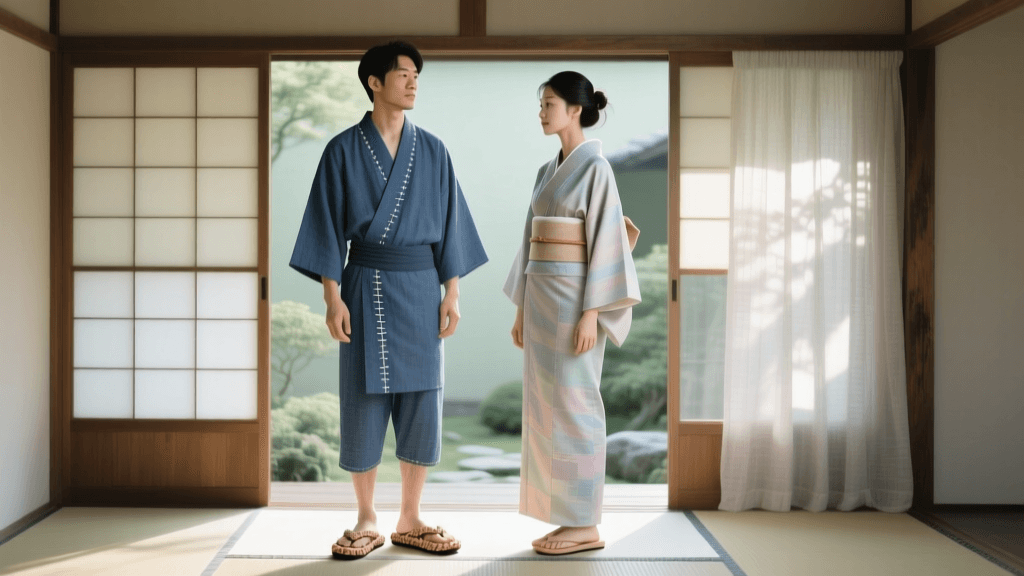
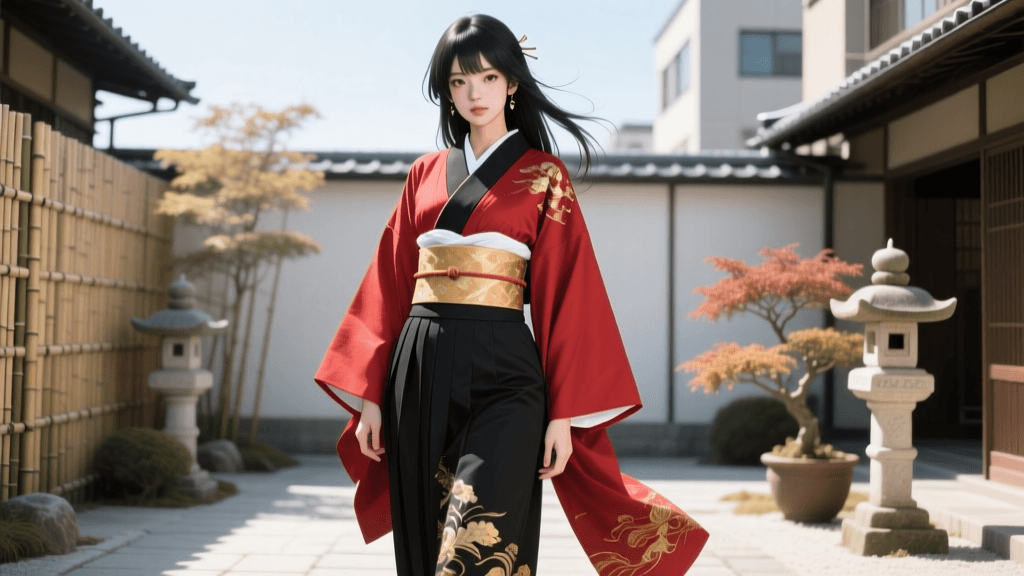
The Haori in Global Pop Culture: Styling Traditional Japanese Jackets
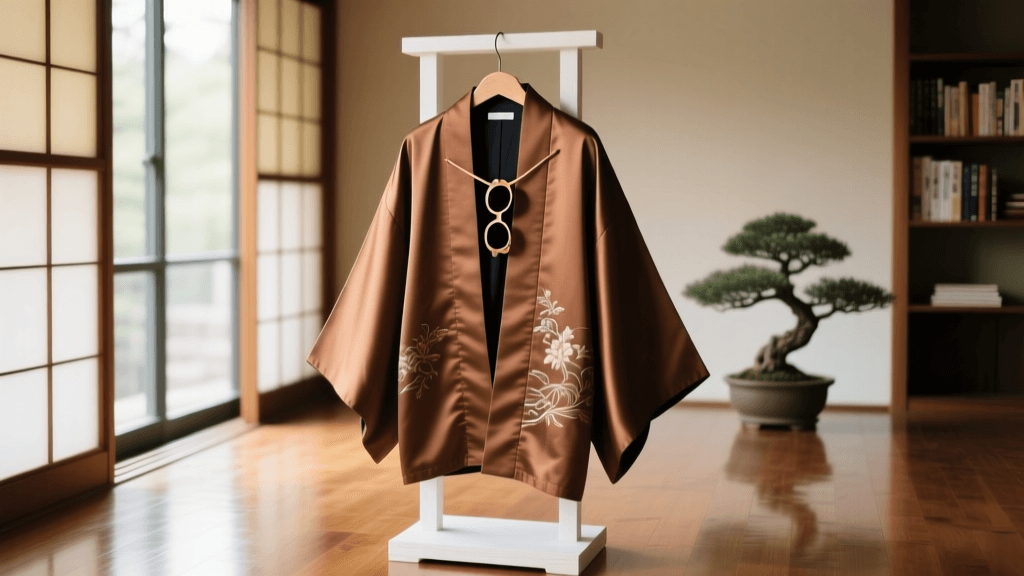
The Haori: From Sengoku Battlefields to Global Runways
The haori is a traditional Japanese hip- or thigh-length kimono-style jacket, worn open over a kimono or modern clothing. While today it is celebrated as a versatile staple in global streetwear and high fashion, its origins are deeply rooted in the martial and social history of Japan. During the Sengoku period (1467–1615), the haori evolved from the jinbaori, a sleeveless surcoat worn by samurai over their armor to display clan crests (mon) and protect against the elements. By the Edo period (1603–1867), as Japan entered an era of prolonged peace, the haori transitioned from a garment of war to a symbol of status, artistry, and cultural expression among the merchant classes and geisha.
Today, the haori has transcended its traditional boundaries. It is a frequent fixture on international runways, in Hollywood cinema, and within global pop culture. According to the Metropolitan Museum of Art, the evolution of Japanese outerwear reflects deep shifts in societal structure, global trade, and the enduring appeal of Japanese aesthetics in Western fashion Kimono | Heilbrunn Timeline of Art History. From the avant-garde deconstructions by Rei Kawakubo of Comme des Garçons to the vibrant, anime-inspired streetwear seen in Harajuku and Brooklyn, the haori is a masterclass in cross-cultural sartorial adaptation.
The Anime and Cinema Effect: A Pop Culture Renaissance
While high fashion has long borrowed from the Japanese wardrobe, global pop culture and media have been the primary drivers of the haori’s recent explosion among younger demographics and international collectors. Hollywood films like Quentin Tarantino’s Kill Bill and Rob Marshall’s Memoirs of a Geisha introduced the dramatic silhouette of the haori to Western audiences, often associating it with mystique, martial prowess, and elegance.
However, the true renaissance of the haori in the 2020s is largely owed to the global juggernaut of Japanese anime. The blockbuster series Demon Slayer: Kimetsu no Yaiba features its protagonist, Tanjiro Kamado, wearing a striking black-and-green ichimatsu (checkerboard) patterned haori. This specific design choice did more than define a character; it sparked a massive global surge in demand for traditional Japanese textiles. Fans and fashion enthusiasts alike began seeking out authentic vintage haori and modern interpretations, bridging the gap between cosplay and everyday streetwear. The Victoria and Albert Museum’s landmark exhibition highlighted this exact phenomenon, showcasing how traditional garments like the haori continue to influence and be reimagined by modern global subcultures Kimono: Kyoto to Catwalk.
Anatomy of a Haori: What to Look For
Before diving into sourcing and styling, it is crucial to understand the anatomy of a traditional haori to appreciate its craftsmanship and ensure a proper fit.
- Eri (Collar): Unlike the kimono, which wraps tightly, the haori features a wide, folded collar that is meant to be worn open, framing the garment underneath.
- Sode (Sleeves): Haori sleeves are typically shorter than kimono sleeves and feature an opening at the back edge, allowing for ease of movement.
- Machi (Gussets): Small triangular gussets under the arm that provide extra room and structural integrity.
- Haori Himo (Ties): Decorative, braided cords used to tie the front panels together at the chest. They are detachable and often feature intricate macramé or beadwork.
- Ura (Lining): Vintage silk haori often feature spectacular, hidden linings with hand-painted Yuzen dyeing or intricate Shibori tie-dye patterns, a nod to the Edo-period sumptuary laws that restricted outward displays of wealth.
Sourcing Your Haori: Authentic Vintage vs. Pop Culture Replicas
When building a wardrobe that incorporates traditional Japanese garments, buyers generally choose between authentic vintage pieces, modern artisan creations, and pop-culture replicas. Below is a comprehensive comparison to help you make an informed purchasing decision.
| Haori Type | Material | Price Range (USD) | Pop Culture Link | Best Use Case |
|---|---|---|---|---|
| Vintage Silk (Mid-20th Century) | 100% Silk, Yuzen/Shibori | $60 - $250 | Classic Cinema, Vintage Streetwear | Layering over turtlenecks, formal events |
| Modern Artisan (Nishijin-ori) | Silk Brocade, Gold Thread | $400 - $1,500+ | High Fashion Runways | Statement pieces, luxury collecting |
| Anime Replica (e.g., Demon Slayer) | Polyester / Cotton Blend | $40 - $90 | Cosplay, Anime Conventions | Costuming, casual fan-wear |
| Modern Cotton / Linen | Woven Cotton, Indigo Dyed | $80 - $180 | Harajuku Streetwear, Festivals | Summer layering, casual daily wear |
Where to Buy Authentic Vintage: For genuine vintage silk haori, online platforms like Ichiroya and Yamatoku are highly reputable exporters of Japanese vintage textiles. If you are in Japan, the Nishijin district in Kyoto and the vintage shops in Tokyo’s Shimokitazawa offer unparalleled physical selections. Expect to pay around $80 for a standard vintage silk haori in good condition, while rare pieces with intact family crests (kamon) or museum-quality linings can exceed $300.
Actionable Styling Guide: Integrating the Haori into Modern Wardrobes
The beauty of the haori lies in its structural versatility. Because it lacks the restrictive wrapping and obi-belt requirements of a full kimono, it can be seamlessly integrated into Western and contemporary streetwear silhouettes.
1. The Urban Minimalist Look
Pair a solid-colored, dark vintage silk haori (such as deep navy, charcoal, or black) with a fitted black turtleneck, tailored wool trousers, and Chelsea boots. The wide sleeves and straight drape of the haori act similarly to a longline duster coat or an open cardigan, adding dramatic movement without overwhelming the frame. Leave the haori untied to maintain a relaxed, avant-garde silhouette.
2. Streetwear and Harajuku Fusion
For a bolder, youth-culture-inspired look, opt for a brightly patterned or Shibori dyed cotton haori. Wear it over a heavyweight graphic tee, baggy denim, and chunky sneakers. Accessorize with a modern, braided haori himo in a contrasting color (like neon orange or deep crimson) to cinch the jacket slightly at the chest, giving it a more structured, bomber-jacket-like profile.
3. Essential Measurements for Online Buying
When buying vintage haori online, sizing is not denoted by S, M, or L. You must rely on flat measurements. Use a soft measuring tape on a well-fitting jacket you already own, and compare it to these critical haori dimensions:
- Yuki (Sleeve + Shoulder Width): Measured from the center back of the neck, across the shoulder, down to the wrist. A standard men's haori is around 75-80cm; women's is 60-65cm.
- Katahaba (Shoulder Width): Measured straight across the back from shoulder seam to shoulder seam. Ensure this is at least as wide as your natural shoulders to avoid pulling at the silk.
- Mitake (Back Length): Measured from the base of the collar down the center back. For a modern streetwear look, aim for a length that hits mid-thigh (approx. 85-95cm for men, 75-85cm for women).
Care and Maintenance for Vintage Silk Haori
Investing in an authentic, vintage silk haori requires proper care to preserve the delicate fibers and natural dyes. Never machine wash or aggressively hand-wash a silk haori, as this will cause the Yuzen dyes to bleed and the silk to warp.
'The beauty of a traditional Japanese garment is not just in its creation, but in its preservation. A well-cared-for silk haori can outlive its original wearer by centuries.'
- Airing Out: After wearing, hang the haori on a wide, padded hanger in a shaded, well-ventilated area for 24 hours to allow moisture and odors to dissipate. Never expose vintage silk to direct sunlight, which will rapidly fade natural indigo and botanical dyes.
- Storage: Store the haori folded with acid-free washi paper to prevent hard creases. For premium pieces, invest in a kiri-bako (Paulownia wood box). Paulownia wood naturally regulates humidity and repels insects, making it the gold standard for kimono and haori storage in Japan.
- Cleaning: If the garment becomes soiled, seek out a dry cleaner that specializes in traditional Japanese garments (often referred to as Maruaki cleaning in Japan). In the West, look for heritage textile conservators or specialized bridal/vintage cleaners who understand the delicate nature of silk brocades and metallic threads.
Conclusion
The haori is a testament to the enduring power of traditional Japanese design. From its origins as a samurai’s protective surcoat to its current status as a beloved canvas in global pop culture, anime fandom, and high fashion, it remains one of the most accessible and striking traditional garments available to modern collectors. By understanding its anatomy, sourcing authentic pieces, and styling it with contemporary respect, you can seamlessly weave centuries of Asian textile heritage into your everyday wardrobe.