Styling Traditional Haori and Hakama for Anime Cosplay Fashion
The Rise of Wafuku Cosplay: Where Tradition Meets Anime
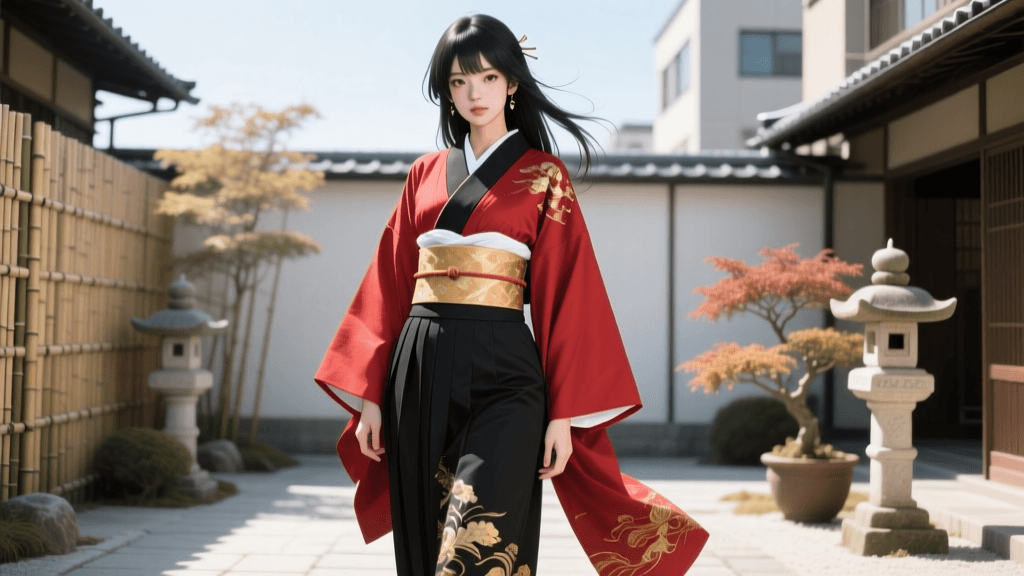
The global phenomenon of anime and manga has profoundly influenced modern fashion, giving rise to a unique subculture known as "wafuku cosplay." This movement transcends simple costume replication, focusing instead on integrating authentic, traditional Japanese garments into character design and everyday streetwear. Series like Demon Slayer, Bleach, Rurouni Kenshin, and Jujutsu Kaisen have popularized the striking silhouettes of the haori and hakama, inspiring fans to seek out genuine vintage pieces rather than relying on mass-produced polyester replicas. As highlighted by the Victoria and Albert Museum's Kimono exhibition, traditional Japanese outer layers have always been highly adaptable, serving as canvases for personal expression, family crests, and artistic motifs. Today, cosplayers and streetwear enthusiasts are reclaiming these garments, blending historical authenticity with dynamic, modern character aesthetics.
"True wafuku cosplay is not just about wearing a costume; it is about understanding the drape, weight, and history of the silk, and using it to bring a two-dimensional character into the three-dimensional world."
This guide provides actionable advice, precise measurements, and convention survival tips for integrating authentic haori and hakama into your anime cosplay and streetwear wardrobe.
Mastering the Haori: The Ultimate Anime Layering Piece
The haori is a hip- or thigh-length kimono-style jacket worn over a kosode (the precursor to the modern kimono). In anime, it is the quintessential garment for wandering swordsmen, modern shinobi, and spiritual leaders. Its open front and flowing sleeves create a dramatic, wind-swept silhouette that is highly coveted for convention photography and streetwear layering.
Sizing and Measurements for the Perfect Drape
Unlike Western clothing, haori are not sized by chest or shoulder width. The most critical measurement is the Yuki, which measures from the center back of the neck, across the shoulder, and down to the wrist.
- Traditional Fit: A yuki of 60-65cm. The sleeves will end near the wrist, offering a clean, historical look suitable for characters like Kenshin Himura.
- Oversized Streetwear/Anime Fit: A yuki of 75-85cm. This creates the dramatic, drop-shoulder, long-sleeve look iconic to characters like Tanjiro Kamado or Gojo Satoru. When buying vintage, look for men's haori, as they naturally feature longer yuki measurements and broader shoulder drops.
Actionable Styling for Conventions and Streetwear
Authentic haori do not have buttons or zippers; they are secured at the front using a braided cord called a haori himo. For cosplay, you can swap traditional white himo for color-matched paracord, leather straps, or decorative chains to match your character's aesthetic. For modern streetwear, layer a vintage silk haori over a fitted black turtleneck, wide-leg trousers, and chunky sneakers. The contrast between the delicate, patterned silk and heavy, modern textiles creates a striking visual balance.
Hakama: Pleated Power for Dynamic Character Silhouettes
The hakama is a traditional pleated lower garment that resembles wide trousers or a long skirt. It is a staple in anime for characters involved in martial arts, shrine duties, or historical combat. According to cultural guides from the Japan National Tourism Organization (JNTO), the hakama was historically worn by samurai and court nobles to conceal foot movements and project an aura of authority and volume.
Umanori vs. Andon: Choosing Your Silhouette
- Umanori (Divided Hakama): These are split down the middle like trousers. They are essential for action-oriented cosplays (e.g., Rurouni Kenshin, Hakuoki) as they allow for high kicks, running, and dynamic posing without exposing the legs.
- Andon (Undivided Hakama): These are constructed like a pleated skirt. They are ideal for elegant, stationary characters, shrine maidens (miko), or scholars, offering a beautiful, bell-like drape when standing still.
The Convention Bathroom Hack: Securing the Himo
Tying a hakama securely requires a complex knotting technique using the himo (long fabric cords). Untying and retying this knot in a cramped convention center bathroom is a notorious struggle for cosplayers. The Hack: Sew heavy-duty velcro strips or attach discreet binder clips to the ends of the himo. Wrap the cords around your waist to maintain the authentic visual of the knot at the back, but use the velcro/clips to secure the tension. This allows you to unfasten the hakama in seconds without losing the structural integrity or the aesthetic of the traditional tie.
Sizing and Styling Comparison Chart
| Garment | Anime Archetype | Key Measurement | Avg. Vintage Cost (USD) | Modern Streetwear Pairing |
|---|---|---|---|---|
| Haori (Men's) | Wandering Swordsman / Shinobi | Yuki (75cm+) | $40 - $150 | Turtleneck, cargo pants, chunky boots |
| Haori (Women's) | Spiritual Guide / Modern Mage | Yuki (60-65cm) | $30 - $90 | Pleated midi skirt, fitted crop top |
| Umanori Hakama | Samurai / Martial Artist | Waist & Himo Length | $60 - $200 | Fitted martial arts gi top, split-toe sneakers |
| Andon Hakama | Scholar / Shrine Maiden | Waist & Pleat Drop | $50 - $180 | Oversized knit sweater, platform loafers |
Sourcing Guide: Vintage vs. Cosplay-Grade Replicas
When building your wafuku cosplay wardrobe, you must choose between authentic vintage garments and modern cosplay-grade replicas. The Kyoto Costume Institute (KCI) notes that the structural integrity and dyeing techniques of vintage silk offer a depth of color and movement that synthetic fabrics cannot replicate.
- Vintage Silk (Authentic): Sourced from online exporters like Ichiroya, Yamatoku, or specialized eBay sellers. Pros: Unmatched drape, authentic family crests (kamon), unique vintage patterns. Cons: Dry-clean only, fragile, susceptible to water damage and sweat stains at crowded conventions.
- Cosplay-Grade Polyester (Replica): Sourced from Etsy, Taobao, or dedicated cosplay shops. Pros: Machine washable, holds sharp pleats permanently, inexpensive ($30-$80), can be screen-printed with exact anime character patterns (like the demon slayer checkered or cloud motifs). Cons: Lacks the heavy, flowing drape of real silk; can look overly shiny or cheap in professional photography.
Pro Tip: For main characters with highly specific, non-traditional patterns (like the black and red clouds of the Akatsuki), buy a high-quality polyester replica. For background characters, original characters (OCs), or streetwear integration, invest in a vintage silk haori to elevate the overall quality of your outfit.
Convention Survival Tips for Traditional Garments
Wearing traditional Japanese clothing in a modern, high-traffic environment like an anime convention requires practical adjustments to preserve both the garment and your sanity.
Sleeve Management: The Tasuki
Haori and kimono sleeves are long and wide, making them a hazard near convention center food courts or when reaching for props. Use a tasuki—a traditional cord used to tie back sleeves. You can use a simple braided paracord or a decorative ribbon to tie the sleeves up and out of the way, creating a cross-back harness that looks intentional and tactical, perfect for combat-oriented anime characters.
Footwear: Bridging the Gap Between Zori and Sneakers
Traditional zori or geta sandals are notoriously uncomfortable for walking miles on concrete convention floors, and they expose your feet to unpredictable weather and dirt. The modern wafuku cosplay solution is the split-toe sneaker. Brands like Maison Margiela (Tabi boots), Nike (ISPA line), or affordable split-toe martial arts shoes allow you to wear authentic tabi socks while maintaining the arch support and traction of modern footwear. This hybrid approach keeps your character grounded in reality while saving your feet during a 12-hour convention day.
Heat and Sweat Management
Authentic haori are often lined with silk or synthetic rayon, which does not breathe well in crowded convention halls. Wear a moisture-wicking compression shirt (like Under Armour or Uniqlo AIRism) underneath your garments. If wearing a hakama, opt for a lightweight, breathable cotton gi top rather than a heavy polyester cosplay shirt to prevent overheating while maintaining the traditional layered silhouette.