Kimono Fashion in Ukiyo-e: A Guide to Woodblock Art
Introduction to Ukiyo-e and Textile History
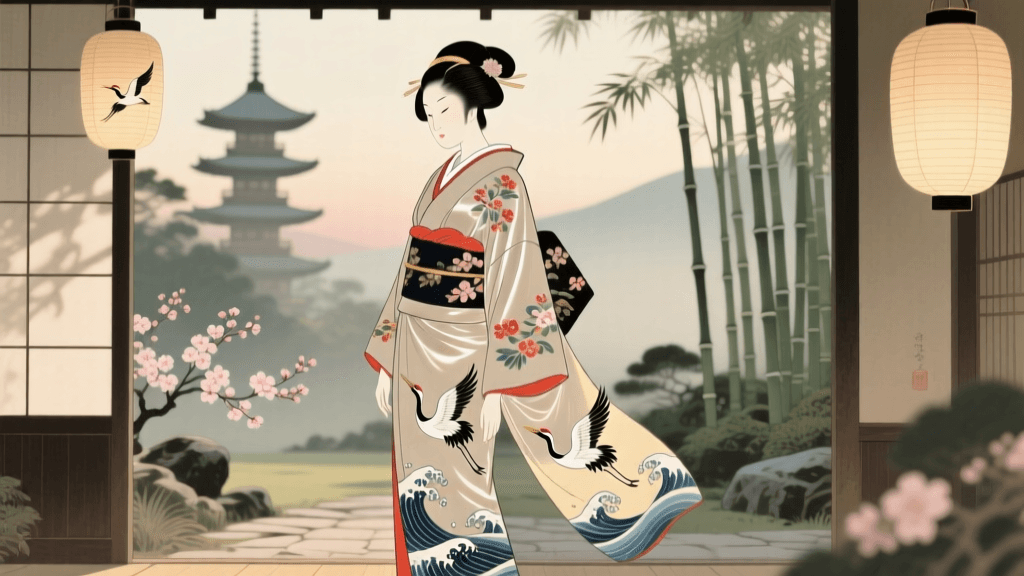
The term ukiyo-e translates to 'pictures of the floating world,' a concept that emerged in Japan during the Edo period (1603–1867). While these woodblock prints are globally celebrated for their sweeping landscapes and dramatic theater portraits, they also serve as the most vital historical catalog of Edo-period kimono fashion. Before the advent of fashion magazines and photography, ukiyo-e artists were the primary trendsetters and documentarians of Japanese textile design. For modern collectors, historians, and kimono enthusiasts, studying these prints offers an unparalleled window into the sartorial elegance, complex dyeing techniques, and cultural codes of historical Japan.
According to the Metropolitan Museum of Art's Heilbrunn Timeline of Art History, ukiyo-e was fundamentally an art form of the urban merchant class. It captured the fleeting pleasures of the pleasure quarters, kabuki theaters, and bustling city streets. In this vibrant world, the kimono was not merely clothing; it was a highly regulated, deeply symbolic canvas that communicated the wearer's age, marital status, wealth, and even their literary education.
Sumptuary Laws and the Art of Subtle Rebellion
To truly understand kimono fashion in woodblock prints, one must understand the strict sumptuary laws enforced by the Tokugawa shogunate. The government frequently issued edicts restricting the merchant class (chonin) from wearing lavish fabrics, bright colors, or expensive gold embroidery, reserving such opulence for the samurai and aristocratic classes.
However, the wealthy merchants circumvented these laws through a concept known as iki—an understated, subtle elegance. While their outer garments might appear plain or dark to comply with the law, the inner linings, undergarments (juban), and the inside of their obi sashes were crafted from the most exquisite, vibrantly dyed silks. Ukiyo-e artists frequently depicted courtesans and kabuki actors, who operated somewhat outside these strict societal bounds, allowing the artists to illustrate maximum textile opulence, heavy brocades, and complex yuzen dyeing techniques that the general public could only dream of wearing.
Decoding Motifs: A Practical Guide to Edo-Period Textiles
When viewing ukiyo-e prints, learning to 'read' the kimono motifs provides profound insights into the subject's identity and the season of the scene. Japanese textile design is deeply tied to seasonality and poetic symbolism. Here is a practical guide to identifying common motifs found in woodblock prints:
- Yukimochi (Snow-laden branches): Often depicting pine or bamboo weighed down by snow, this motif represents resilience and endurance. In prints, it indicates a winter setting and is frequently worn by women of high status or maturity.
- Asanoha (Hemp leaf): A geometric, star-like pattern representing the fast, straight growth of the hemp plant. In ukiyo-e, this pattern is almost exclusively depicted on the garments of children or young adolescents, symbolizing a wish for healthy, rapid growth.
- Goshodoki (Imperial Palace motifs): These intricate designs feature elements like folding fans, imperial carriages, and flowing water, often referencing classical literature such as 'The Tale of Genji.' Spotting this in a print indicates the wearer is highly educated, likely a high-ranking courtesan (oiran) or a wealthy merchant's wife.
- Kikko (Tortoiseshell): A repeating hexagonal geometric pattern mimicking a turtle's shell. Because turtles are symbols of longevity in Japanese mythology, this motif is heavily featured in prints depicting brides or women preparing for wedding ceremonies.
- Tsubaki (Camellia): A winter-blooming flower. However, because the camellia flower drops its entire head at once rather than petal by petal, it was historically associated with decapitation and avoided by samurai. In ukiyo-e, it is beautifully rendered on the garments of women in the pleasure quarters, free from such martial superstitions.
Master Artists and Their Signature Textile Styles
Different ukiyo-e masters approached the depiction of textiles with unique stylistic signatures. By examining the way fabric drapes, folds, and displays pattern, experts can often attribute unsigned prints to specific artists or schools. The Library of Congress Japanese Woodblock Prints Collection provides an excellent digital archive for comparing these distinct artistic approaches.
| Artist | Active Era | Signature Kimono Style & Contribution | Notable Subject Matter |
|---|---|---|---|
| Kitagawa Utamaro | Late 18th Century | Master of translucent fabrics and complex obi knots. Meticulously depicted the subtle sheen of silk and the intricate details of yuzen dyeing. | Bijin-ga (beautiful women), high-ranking courtesans, intimate domestic scenes. |
| Suzuki Harunobu | Mid 18th Century | Pioneered nishiki-e (full-color brocade prints). Used soft, pastel palettes to depict delicate, poetic motifs on slender, youthful figures. | Young lovers, tea house girls, literary parodies. |
| Utagawa Hiroshige | 19th Century | Focused on functional, weather-appropriate garments. Excelling in depicting travel coats (michi-yuki), straw raincoats (mino), and snow-dusted textiles. | Landscapes, travelers on the Tokaido road, atmospheric weather scenes. |
| Katsushika Hokusai | 19th Century | Emphasized bold, dynamic patterns and the practical clothing of the working class. Often featured striking geometric designs and indigo-dyed cottons. | Artisans, fishermen, dynamic landscapes, mythological figures. |
The Technical Process: Capturing Yuzen and Shibori in Wood
Translating the fluid, dyed patterns of a silk kimono onto a rigid woodblock required immense technical skill. The development of nishiki-e (brocade pictures) in the 1760s allowed for the use of multiple color blocks—sometimes up to fifteen or more for a single print. This innovation was crucial for capturing the complexities of Japanese textile arts.
Carvers had to meticulously replicate the soft, bleeding edges of yuzen (rice-paste resist dyeing) and the textured, crinkled appearance of shibori (tie-dye). Printers utilized a technique called bokashi (color gradation), where pigment is manually wiped across the woodblock to create a fade. This was frequently used to mimic the ombre dyeing techniques seen on the hems of high-end kimono, known as susomawashi, where the color deepens toward the bottom of the garment to ground the visual weight of the wearer.
Practical Guide: Collecting and Viewing Ukiyo-e Kimono Art
For textile enthusiasts and art collectors, acquiring and studying ukiyo-e prints is a highly rewarding pursuit. The Victoria and Albert Museum's landmark exhibition, 'Kimono: Kyoto to Catwalk', highlighted the enduring influence of these historical garments on global fashion, proving the lasting value of this art form. If you are looking to start a collection or view these works in person, consider the following actionable advice:
Originals vs. Reproductions
Authentic Edo-period originals are surprisingly accessible but require careful evaluation. A standard, good-condition print by a lesser-known artist might cost between $300 and $800, while pristine works by Utamaro or Sharaku can fetch tens of thousands of dollars at auction. When buying originals, always check for kami (paper) thinning, color fading (organic reds and purples fade fastest), and the presence of a centerfold, which indicates the print was once bound in a book.
For those who want the aesthetic without the conservation worries, consider purchasing modern reproductions from the Adachi Institute of Woodblock Prints in Tokyo. They use traditional methods, hand-carving cherry wood blocks and printing on authentic washi paper using natural pigments. These reproductions typically cost between $150 and $400 and are stunning representations of historical textile patterns.
Storage and Display
Ukiyo-e prints are typically created on oban sized paper, measuring approximately 10 by 15 inches. If you purchase original prints, never frame them using standard matte boards, which contain acids that will yellow and brittle the washi paper. Always invest in archival, acid-free mounting corners and UV-filtering glass. Keep the prints away from direct sunlight and high humidity to preserve the delicate botanical dyes used to render the kimono patterns.
Where to View Masterpieces
Beyond major auction houses, some of the best places to study the intersection of kimono and woodblock art include the Asian Art Museum in San Francisco, the British Museum in London, and the Freer Gallery of Art in Washington, D.C. Many of these institutions have digitized their collections, allowing you to zoom in on the high-resolution scans to study the minute details of the textile patterns, the weave suggestions, and the layering of the undergarments.
Conclusion
Ukiyo-e woodblock prints are far more than beautiful historical artifacts; they are the definitive visual archives of Japanese textile history. By learning to decode the motifs, understand the socio-political constraints of the Edo period, and appreciate the masterful carving techniques used to replicate silk on paper, modern enthusiasts can gain a much deeper appreciation for the kimono. Whether you are studying the drape of an obi in an Utamaro print or collecting your first authentic woodblock, the floating world continues to offer endless sartorial inspiration.