Hanfu For Extreme Climates: Tropical, Desert And Cold Weather 2026
The Global Hanfu Movement in 2026
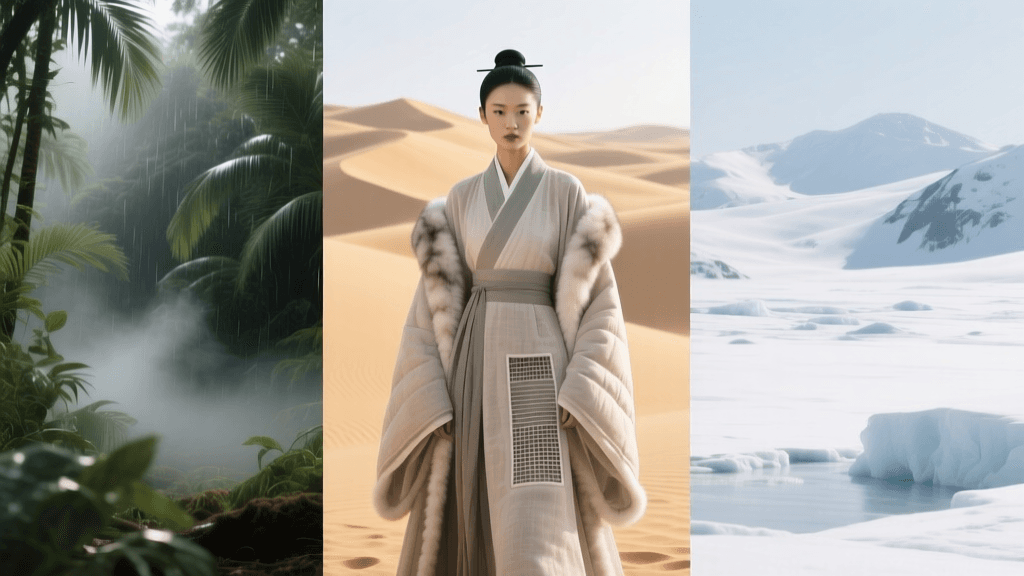
As the global appreciation for traditional Chinese clothing continues to surge in 2026, enthusiasts are no longer confined to temperate climates or indoor events. The modern Hanfu movement has evolved into a year-round, worldwide lifestyle. However, wearing historically inspired garments in extreme environments—from the sweltering humidity of Southeast Asian tropics to the arid heat of desert regions and the biting cold of northern winters—requires a deep understanding of traditional textiles, historical layering techniques, and modern fabric innovations. This comprehensive guide explores how to authentically and comfortably adapt Hanfu for extreme climates in 2026, ensuring both cultural fidelity and environmental practicality.
Tropical and Humid Climates: Breathability and Tradition
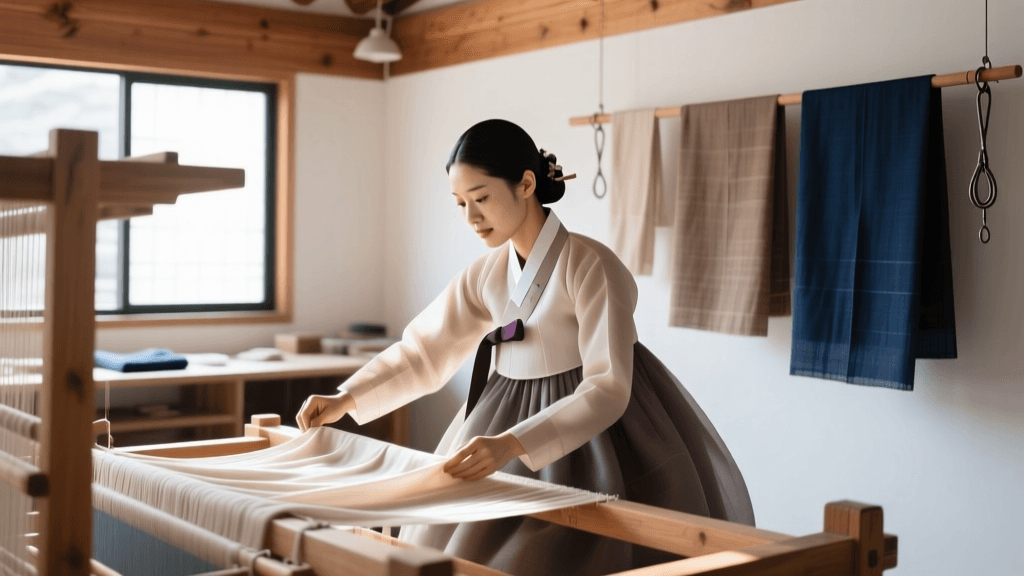
Wearing Hanfu in tropical regions, such as Singapore, Malaysia, or the southern provinces of China during the summer, presents a unique challenge: managing high heat combined with oppressive humidity. The historical solution lies in the strategic use of specific natural fibers and the minimalist silhouettes of the Song Dynasty.
Xiangyunsha and Ramie: The Ultimate Tropical Textiles
For tropical weather, Xiangyunsha (gambiered Canton silk) remains the undisputed champion of traditional fabrics. This intangible cultural heritage textile undergoes a complex dyeing process using the juice of the Dioscorea cirrhosa tuber and iron-rich river mud. According to the UNESCO Intangible Cultural Heritage frameworks that protect such traditional crafts, the resulting fabric is naturally antibacterial, moisture-wicking, and exceptionally cool to the touch. In 2026, authentic Xiangyunsha commands a premium price, often ranging from $150 to $300 per meter, but its ability to prevent sweat adhesion makes it invaluable for tropical Hanfu wearers.
Another historically accurate and highly practical choice is Xia Bu (summer cloth), woven from premium ramie. Ramie fibers possess a natural stiffness that keeps the fabric away from the skin, promoting airflow. When styled in a Song Dynasty Beizi (a long, open-front jacket) worn over a lightweight silk Moxiong (tube top) and a breezy Baidi (pleated skirt), the wearer benefits from maximum ventilation while maintaining a dignified, traditional silhouette.
Arid and Desert Climates: Sun Protection and Airflow
Desert environments, whether in the Middle East, Central Asia, or the American Southwest, demand garments that protect against intense UV radiation and extreme diurnal temperature shifts. The key to desert Hanfu adaptation in 2026 is utilizing the voluminous silhouettes of the Tang Dynasty to create microclimates of cool air around the body.
Tang Dynasty Silhouettes for Heat Management
The Tang Dynasty is renowned for its cosmopolitan fashion, heavily influenced by Silk Road trade. For desert climates, the wide-sleeved Daxiushan (large-sleeved shirt) and flowing skirts are not merely aesthetic choices; they are functional. The loose, draping fabric traps a layer of insulating air that protects the skin from direct solar radiation while allowing convective cooling as the wearer moves. The Metropolitan Museum of Art's Heilbrunn Timeline of Art History notes that historical Chinese silk weaving produced lightweight, gauze-like textiles specifically designed for such expansive, flowing garments.
In 2026, modern Hanfu brands have introduced linen-silk blends specifically engineered for arid climates. These blends offer the structural drape of silk with the superior moisture absorption and UV resistance of linen. When traversing desert landscapes, pairing a lightweight, long-sleeved Ru (top) with a high-waisted, floor-length Qixiong Ruqun (chest-high skirt) ensures full-body sun protection without the suffocating heat retention of modern synthetic activewear.
Extreme Cold Regions: Insulation and Ming Dynasty Elegance
Adapting Hanfu for freezing temperatures and harsh winter winds requires looking to the Ming Dynasty, an era characterized by structured, layered, and heavily insulated garments. The modern Hanfu market in 2026 has brilliantly revived these historical winter wear concepts, integrating modern thermal technologies without compromising historical aesthetics.
The Padded Ao and Winter Pifeng
The cornerstone of winter Hanfu is the Mian Ao (padded jacket). Historically stuffed with silk floss or cotton, the 2026 iterations of the Ao often feature advanced, ultra-thin aerogel or synthetic down linings that provide immense warmth without the bulky silhouette of traditional batting. The Victoria and Albert Museum's Asian collections highlight the historical importance of these layered, insulated garments in maintaining both warmth and social decorum during harsh northern winters.
To complete the winter ensemble, the Pifeng (a long, open-front cloak) or the Doupeng (a hooded, bell-shaped cloak) is essential. Modern winter Doupeng are frequently crafted from heavy wool blends or lined with ethically sourced faux fur, providing critical wind resistance. Layering a thermal base layer beneath a Ming-style Aoqun (jacket and skirt) allows enthusiasts to attend outdoor winter festivals, lunar new year celebrations, and snowy photoshoots in complete comfort.
2026 Climate-to-Hanfu Adaptation Matrix
| Climate Type | Recommended Era/Silhouette | Optimal Fabrics (2026 Market) | Key Functional Benefit |
|---|---|---|---|
| Tropical / Humid | Song Dynasty (Beizi, Baidi) | Xiangyunsha, Ramie (Xia Bu), Organza | Moisture-wicking, anti-adhesion, maximum airflow |
| Arid / Desert | Tang Dynasty (Qixiong Ruqun, Daxiushan) | Linen-silk blends, Raw silk, Lightweight gauze | UV protection, convective cooling, microclimate creation |
| Extreme Cold / Winter | Ming Dynasty (Aoqun, Doupeng) | Wool blends, Padded Mian Ao (aerogel lined), Faux fur | Wind resistance, thermal insulation, core heat retention |
Sourcing Authentic Climate-Specific Hanfu in 2026
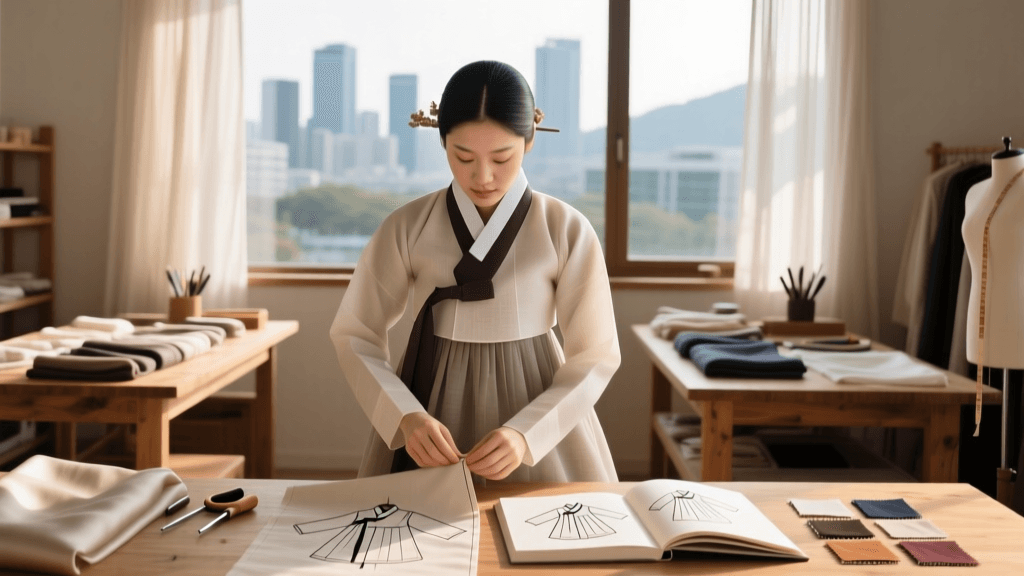
As the demand for climate-specific traditional wear grows, the 2026 market has seen a rise in specialized Hanfu ateliers. When sourcing garments for extreme weather, it is crucial to verify the fiber content. Many mass-market costumes use polyester, which will cause severe overheating in the tropics and dangerous sweat-freezing in the cold. Always seek out reputable vendors who provide detailed textile composition reports and collaborate with traditional weaving cooperatives in regions like Guangdong for Xiangyunsha or Jiangsu for heavy winter silks. By respecting the historical ingenuity of Asian textile traditions and embracing modern material science, enthusiasts can confidently wear Hanfu in any environment the world presents.