Top 4 Seoul Hanbok Sewing Workshops For Beginners In 2026
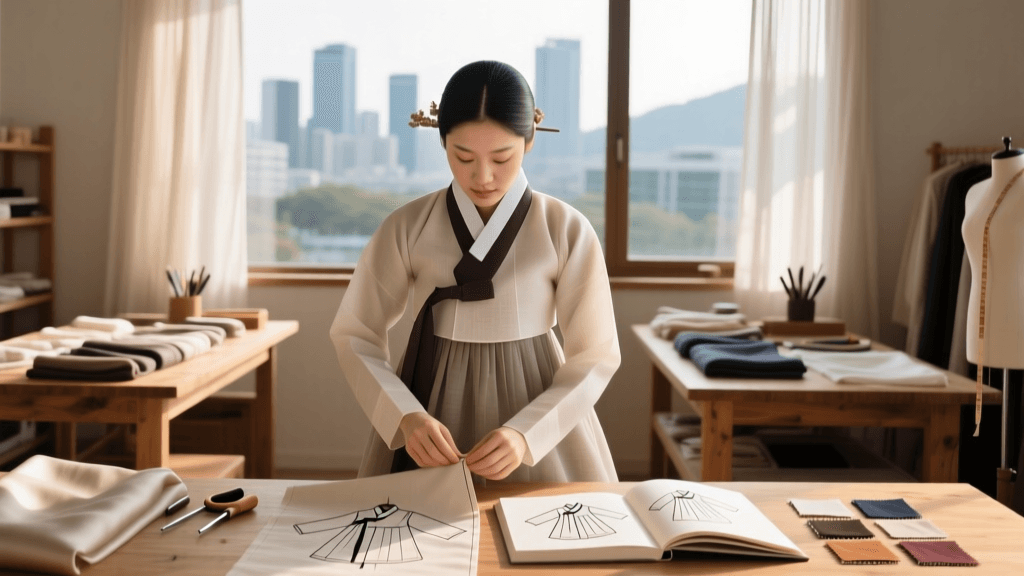
The Resurgence of Hands-On Hanbok Crafting in 2026
As the global appreciation for slow fashion and cultural heritage deepens, the traditional Korean garment, the hanbok, has experienced a massive renaissance. In 2026, travelers and fashion enthusiasts are no longer satisfied with simply renting a hanbok for a photoshoot at Gyeongbokgung Palace. Instead, they are seeking authentic, hands-on experiences to understand the meticulous engineering behind these garments. According to the official Korean cultural portal, the hanbok is defined by its vibrant colors, simple lines, and lack of pockets, but its true magic lies in its structural geometry and the way it moves with the human body.
Seoul has emerged as the undisputed epicenter for traditional garment education. The city's cultural centers and independent ateliers now offer specialized sewing masterclasses tailored for international beginners. Whether you are a fashion student, a sustainable sewing hobbyist, or a cultural historian, learning to construct a hanbok from scratch provides unparalleled insight into East Asian textile traditions. This guide reviews the top Seoul hanbok sewing workshops available in 2026, breaking down their curriculums, pricing, and the specific techniques you will master.
Top 3 Seoul Hanbok Sewing Masterclasses for Beginners
1. Hanbok Advancement Center: The Jeogori Foundation Course
Located in the heart of Seoul, the Hanbok Advancement Center is a government-backed institution dedicated to preserving and modernizing traditional Korean dress. Their flagship 'Jeogori Foundation Course' is widely considered the gold standard for beginners in 2026. The jeogori is the basic upper garment of the hanbok, and its construction requires a deep understanding of flat-pattern drafting and traditional seam finishes.
Over a comprehensive four-week weekend seminar, students learn to draft patterns using traditional Korean proportional measurements, which differ vastly from Western tailoring. You will work with myeongju (a lightweight, breathable Korean silk) and learn the crucial technique of creating the baerae—the elegant, curved underarm line of the sleeve that gives the hanbok its distinctive silhouette when the arms are raised. The instructors provide bilingual support (Korean and English), making it highly accessible for international attendees.
2. Seoul Global Cultural Center: Weekend Ramie & Silk Seminar
For those who cannot commit to a month-long course, the Seoul Global Cultural Center offers an intensive two-day weekend seminar focusing on material manipulation and the chima (the high-waisted, full-skirted wrap dress). As highlighted by the Seoul Tourism Organization, this center is a hub for cross-cultural exchange, and their textile workshops are heavily subsidized to encourage global participation.
The 2026 curriculum places a special emphasis on mosi (ramie) and silk blends, teaching students how to handle slippery, delicate fabrics that are notoriously difficult for Western sewists accustomed to cotton or wool. You will learn the intricate pleating techniques required for the chima, including how to attach the wide waistband and integrate the hidden ties. The seminar also covers the history of the garment's evolution from the Goryeo to the Joseon dynasty, providing vital context to your physical work.
3. DDP Slow Fashion Lab: Modernizing the Hanbok Silhouette
Housed within the futuristic curves of the Dongdaemun Design Plaza (DDP), the Slow Fashion Lab offers a forward-thinking workshop that bridges historical techniques with contemporary 2026 fashion sensibilities. This seminar is perfect for those who want to learn traditional hanbok construction but apply it to modern, wearable garments.
Students in this masterclass learn the traditional methods of constructing the goreum (the long, flowing chest ribbon) and the dongjeong (the crisp, white, detachable paper collar that frames the face). However, the final project involves adapting these elements into a modern hybrid garment, such as a hanbok-inspired wrap blouse or a structured midi-skirt. The DDP lab utilizes eco-friendly, naturally dyed textiles sourced from local artisans, aligning perfectly with the 2026 global push toward sustainable, zero-waste fashion practices.
Core Techniques You Will Master
Unlike Western tailoring, which relies heavily on darts and complex shaping to contour the fabric to the body, traditional hanbok construction is rooted in flat, rectilinear cutting. The garments are designed to be disassembled, washed, and re-sewn, a testament to their historical practicality. In these workshops, you will master several core techniques:
- The Baerae Sleeve Curve: Learning to draft and sew the underarm gusset and curved sleeve seam that allows for unrestricted movement while maintaining a graceful drape.
- Seam Finishing (Solgi): Mastering the traditional flat-felled seams that enclose all raw edges, ensuring the garment is reversible and incredibly durable without the use of modern sergers.
- The Dongjeong Collar: Understanding the structural interplay between the outer silk collar and the stiff, white inner collar that provides the hanbok's sharp, contrasting neckline.
- Goreum Tying and Construction: Sewing the elongated chest ribbons and learning the precise, asymmetrical knotting technique that secures the jeogori without buttons or clasps.
2026 Workshop Comparison Chart
To help you choose the right educational experience, we have compiled a comparison of the top seminars available this year. Pricing reflects the 2026 market rates, which include all materials, tool rentals, and bilingual instruction fees.
| Workshop Name | Duration | 2026 Price (KRW / USD) | Skill Level | Primary Focus |
|---|---|---|---|---|
| Hanbok Advancement Center | 4 Weekends | ₩850,000 / $630 | Beginner to Intermediate | Jeogori drafting and Baerae sleeves |
| Seoul Global Cultural Center | 2 Days | ₩150,000 / $110 | Absolute Beginner | Chima pleating and fabric handling |
| DDP Slow Fashion Lab | 3 Days | ₩420,000 / $310 | Intermediate | Modern adaptation and natural dyeing |
| Bukchon Heritage Atelier | 1 Week Intensive | ₩1,200,000 / $890 | Advanced Beginner | Full ensemble (Jeogori & Baji trousers) |
Essential Tools and Fabric Sourcing in Dongdaemun
While most beginner workshops provide a starter kit containing your pre-measured silk or ramie, traditional needles, and silk thread, serious students often wish to source their own materials. No hanbok-making journey in Seoul is complete without a pilgrimage to the Dongdaemun Comprehensive Market. According to historical textile archives documented by the Metropolitan Museum of Art, the Korean peninsula has a rich history of sericulture and weaving, and Dongdaemun remains the modern beating heart of this industry.
In 2026, the market's Building C and D are the go-to destinations for traditional hanbok textiles. When shopping, look for gapsa (a sheer, lightweight silk ideal for summer hanbok) and sa (a loosely woven silk gauze). You will also need to purchase traditional notions, such as the stiff paper used for the dongjeong collar and the specialized, slightly curved thimbles worn on the middle finger to push the needle through dense silk layers. Most fabric vendors in Dongdaemun sell in 'yards' or 'meters', but be aware that traditional Korean measurements sometimes refer to a 'pil' (a full roll), so always clarify your cut lengths with the merchants.
Final Thoughts on Preserving Sartorial Heritage
Learning to sew a hanbok is about much more than acquiring a new technical skill; it is an act of cultural preservation and a meditation on the philosophy of traditional East Asian design. The garments are constructed to honor the natural lines of the body and the environment, utilizing zero-waste cutting methods long before the term became a modern buzzword.
As you thread your needle and begin to shape the sweeping curve of the baerae sleeve, you are participating in a lineage of craftsmanship that has survived for centuries. Whether you choose the rigorous, government-backed curriculum of the Hanbok Advancement Center or the contemporary, eco-conscious approach of the DDP Slow Fashion Lab, the workshops of 2026 offer an unprecedented opportunity to weave yourself into the living history of Korean textile arts. Book your seminars well in advance, as the global surge in interest means these intimate, bilingual masterclasses fill up months before the spring and autumn sewing seasons begin.