The Ultimate Guide to Hanfu Conventions and Community Meetups
The Renaissance of Hanfu: From Niche Hobby to Global Community
The Hanfu movement, widely known as the Hanfu Yundong, has transformed from a niche internet forum discussion in the early 2000s into a massive cultural and commercial phenomenon. What began as a desire among Chinese youth to reconnect with their pre-Qing dynasty sartorial heritage has blossomed into a vibrant, global community. Today, Hanfu is not merely a historical costume; it is a living, breathing fashion statement worn on city streets, university campuses, and at dedicated conventions worldwide. According to cultural analyses published by The Diplomat, the movement is deeply intertwined with a broader search for cultural identity and national pride among younger generations.
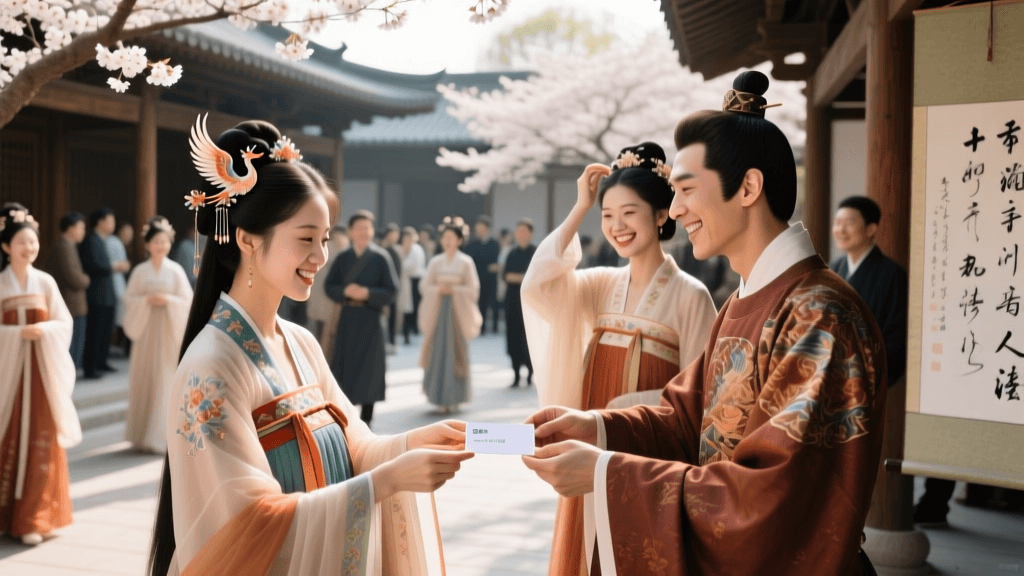
For enthusiasts, known affectionately within the community as tongpao (同袍, meaning 'sharing the same robe'), community events and conventions are the lifeblood of the movement. These gatherings offer a space to celebrate traditional Chinese aesthetics, share styling techniques, discuss historical accuracy, and forge lasting friendships. Whether you are a seasoned collector of Ming dynasty Mamianqun (horse-face skirts) or a curious beginner looking to attend your first local park meetup, understanding the landscape of Hanfu events is essential for a fulfilling experience.
Types of Hanfu Community Events
Hanfu gatherings range from casual weekend photo walks to massive, multi-day municipal festivals. Understanding the scale and focus of these events will help you prepare appropriately, both in terms of wardrobe and budget.
| Event Type | Scale & Attendance | Typical Activities | Estimated Cost | Best For |
|---|---|---|---|---|
| Local Park Meetups | 10 - 50 attendees | Casual photography, picnics, tea drinking, socializing | $0 - $20 (park entry/food) | Beginners, local networking |
| University Club Events | 30 - 150 attendees | Workshops (hairpin making, archery), cultural showcases | $5 - $15 (materials/tickets) | Students, hands-on learning |
| Regional Conventions | 500 - 2,000 attendees | Parades, vendor halls, panel discussions, group dances | $30 - $80 (entry + travel) | Shoppers, dedicated enthusiasts |
| Major Cultural Festivals | 5,000 - 100,000+ attendees | Immersive town takeovers, lantern festivals, performances | $100 - $500+ (travel + lodging) | Advanced collectors, tourists |
The pinnacle of these gatherings is the annual Xitang Hanfu Culture Week (Xitang Hanfu Wenhua Zhou), held in the historic water town of Xitang, Zhejiang Province. As noted by NPR, massive festivals like Xitang turn entire towns into living museums, where attendees participate in traditional archery, lantern making, and grand parades featuring thousands of participants in historically accurate attire.
Preparing for Your First Hanfu Convention
Attending a Hanfu convention requires more logistical planning than a standard comic-con or fashion expo. Traditional garments involve multiple layers, delicate fabrics, and intricate hairstyling. Proper preparation ensures you remain comfortable while looking historically resplendent.
Wardrobe and Styling Strategy
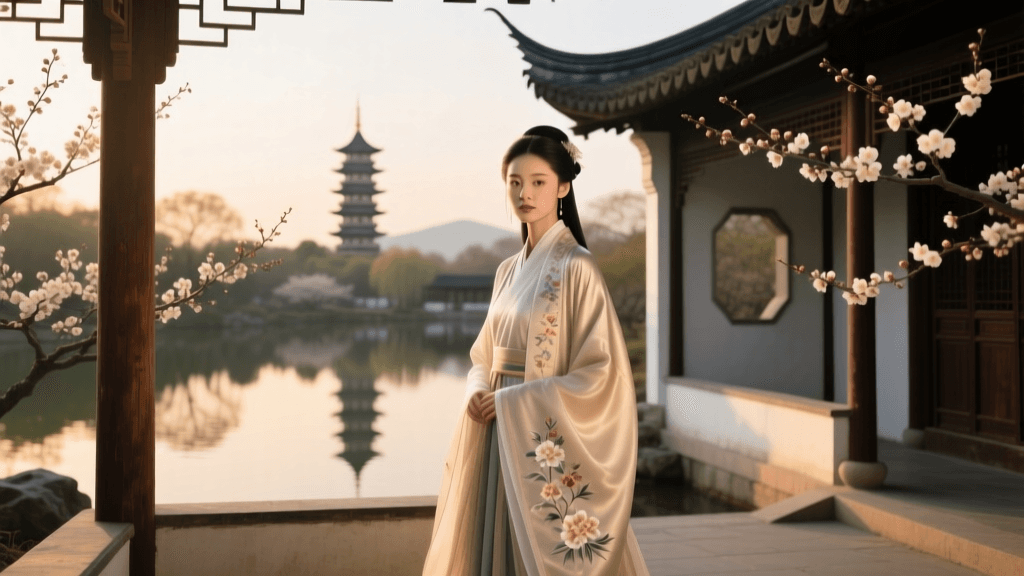
Choose your outfit based on the season and the venue. For outdoor summer meetups, lightweight Song dynasty Beizi (long coats) and pleated skirts made of breathable linen or chiffon are ideal. For indoor winter conventions, layered Ming dynasty styles with thick brocades and faux-fur lined Pifeng (capes) provide both warmth and visual impact. Always wear a modern, breathable inner layer (like a cotton camisole) beneath your Hanfu to protect delicate silks from sweat and body oils.
The Essential Hanfu Emergency Kit
Every seasoned tongpao carries a specialized emergency kit. Pack the following items in your tote bag:
- Double-Sided Fashion Tape & Safety Pins: Crucial for securing cross-collars (jiaoling) and keeping wrap skirts in place during windy outdoor shoots.
- Portable Garment Steamer: Hanfu fabrics, especially polyester blends and cotton-linens, wrinkle easily in transit. A compact travel steamer is non-negotiable for convention mornings.
- Comfortable Insoles: Traditional cloud shoes (yunxiao) or embroidered flats often lack modern arch support. Gel insoles will save your feet during long parade routes.
- Hairpins and U-Pins: Bring extras. Intricate traditional updos require structural support, and pins frequently slip out during active movement.
- Lint Roller and Stain Remover Pen: Essential for maintaining the pristine look of light-colored garments, especially when sitting on grass or wooden benches.
Navigating Meetup Etiquette and Photography
The Hanfu community places a high premium on respect, historical appreciation, and personal boundaries. Because Hanfu is deeply tied to cultural identity, treating the garments and the wearers with respect is paramount.
'The term tongpao implies a familial bond. We are not just wearing clothes; we are sharing a cultural heritage. Respecting that shared bond means respecting each other's boundaries and efforts.'
Photography Consent
While Hanfu is visually stunning and naturally attracts the camera lens, you must never photograph a tongpao without asking for permission, especially in close-up or candid situations. If you see someone adjusting their hair or fixing a hemline, lower your camera. When asking for a photo, compliment a specific detail of their outfit, such as the embroidery on their Mamianqun or the accuracy of their hairstyle. Always offer to share the digital files with them afterward.
Historical Accuracy vs. Fantasy Elements
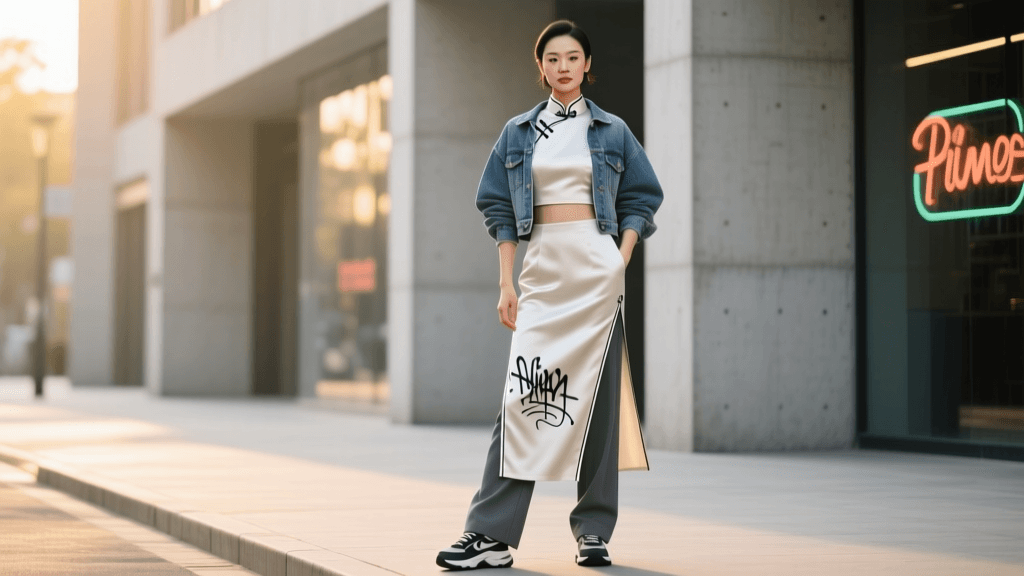
The community is diverse, encompassing strict historical reenactors and fans of fantasy Xianxia aesthetics. However, it is considered poor etiquette to confuse the two. 'Hanfu' refers specifically to the historical clothing of the Han Chinese. 'Hanyuansu' refers to modern clothing with Hanfu elements, while 'Xianxia' or 'Guofeng' often encompasses fantasy or stylized stage wear. If you are wearing fantasy wings or anime-style accessories, be transparent that you are doing a stylized fusion look rather than claiming historical accuracy, which can lead to friction with purist historians at the event.
How to Find and Connect with Hanfu Groups
Finding your local community has never been easier, thanks to the digital proliferation of the movement. Industry reports from Vogue Business highlight how social media algorithms and dedicated e-commerce platforms have fueled the globalization of Hanfu, making it accessible far beyond mainland China.
- Xiaohongshu (Little Red Book): The premier app for Hanfu styling, vendor reviews, and local meetup coordination. Search for your city's name alongside 'Hanfu' to find local organizers.
- Reddit and Discord: Subreddits like r/Hanfu and dedicated Discord servers are excellent for international enthusiasts to ask sizing questions, share DIY sewing projects, and organize regional meetups in North America and Europe.
- University Cultural Associations: Many major universities now have dedicated Hanfu or Chinese Traditional Culture clubs. These are highly welcoming to beginners and often provide rental garments for first-time attendees.
Organizing Your Own Hanfu Meetup
If there is no active community in your area, take the initiative to start one. Organizing a successful meetup requires balancing aesthetic goals with logistical realities.
Location Scouting and Permits
The backdrop is just as important as the clothing. Botanical gardens, classical Chinese gardens, pagodas, and historic brick alleyways provide the best ambiance. However, if you are organizing a group larger than 15 people, or if attendees plan to use professional DSLR cameras and light reflectors, you must contact the venue management in advance to secure a commercial or group photography permit. Failing to do so can result in the group being asked to leave by security.
Structuring the Event
Do not just invite people to 'show up and take photos.' Structure the afternoon to foster community bonding. Begin with a casual icebreaker where attendees introduce themselves and explain the dynasty or style of their outfit. Follow this with a group activity, such as a traditional tea ceremony demonstration, a collective fan-painting workshop, or a guided group dance. Conclude the event with a massive group photo, ensuring everyone's hard work in dressing up is immortalized. By creating a structured, welcoming environment, you will lay the foundation for a thriving local tongpao community.