2026 Kimono Guide: Birth, Coming-of-Age & Memorial Wear
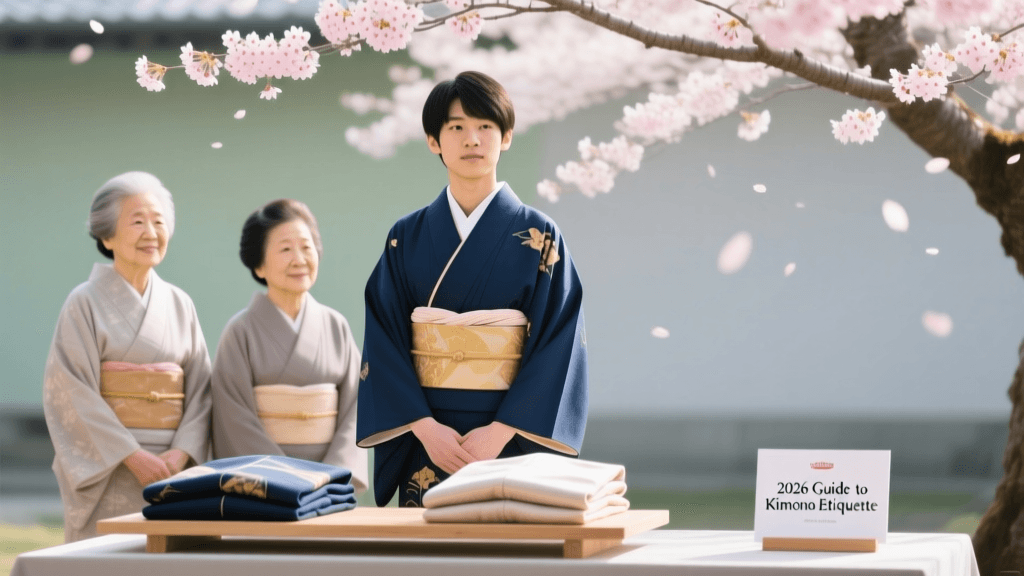
The Enduring Role of Kimono in Japanese Family Milestones
In Japan, the kimono is far more than a traditional garment; it is a visual language that communicates respect, transition, and familial bonds. As we navigate 2026, the landscape of ceremonial wear has evolved to blend centuries-old etiquette with modern conveniences like AI-assisted virtual try-ons, sustainable rental markets, and climate-adaptive silk blends. Whether you are welcoming a newborn, celebrating a coming-of-age milestone, or honoring a departed loved one, understanding the nuances of ceremonial kimono is essential.
According to cultural preservation resources like the Agency for Cultural Affairs, the transmission of traditional arts and attire remains a vital part of Japan's living heritage. This comprehensive 2026 guide breaks down the specific garments, etiquette, and modern sourcing strategies for three of the most significant family ceremonies: Omiyamairi (birth), Hatachi no Tsudoi (coming-of-age), and Hoji (memorials).
Omiyamairi: The First Shrine Visit
Omiyamairi is the traditional shrine visit that takes place when a newborn is approximately one month old. It is a moment of gratitude and a prayer for the child's health and prosperity. The sartorial focus is on purity, celebration, and family unity.
The Baby's Attire: Uwagi and Iwagi
The infant is dressed in a white silk under-kimono (shiro-habuse) symbolizing purity. Over this, they wear a beautifully decorated outer kimono called the uwagi. In 2026, many families opt for lightweight, breathable silk-crepe blends for the uwagi to ensure the baby's comfort, especially during Japan's increasingly humid summers. The outer kimono is draped over the person carrying the baby (traditionally the paternal grandmother, though modern family dynamics in 2026 see maternal grandparents or parents taking this role equally).
Attire for Mothers and Grandparents
- Mothers: Recovering from childbirth, comfort and elegance must balance. The iromuji (a solid-colored kimono with one to three crests) is the standard choice. In 2026, soft pastels like pale wisteria or sage green are highly favored. Flashy patterns are avoided to keep the visual focus on the child.
- Grandparents: Grandmothers typically wear a homongi (visiting kimono) with elegant, subdued patterns, while grandfathers may wear a dark, crested haori over a muted kimono or a formal Western suit.
Hatachi no Tsudoi: The Twenty-Year-Old Gathering
Despite the Japanese civil code lowering the legal age of adulthood to 18 in 2022, municipalities across Japan have overwhelmingly continued to hold coming-of-age ceremonies at age 20. By 2026, these events are widely known as Hatachi no Tsudoi (The Gathering of Twenty-Year-Olds) rather than the traditional Seijin-shiki, ensuring that university students and young workers can participate without the pressure of legal and financial adulthood.
Furisode: The Pinnacle of Youthful Elegance
Unmarried young women celebrate this milestone wearing the furisode, characterized by its dramatic, floor-sweeping sleeves. The furisode represents the vibrant, unwritten future of the wearer. As noted in comprehensive guides to traditional Japanese clothing, the furisode is the most formal attire for unmarried women.
2026 Furisode Trends:
- Retro-Modern Fusion: There is a massive surge in demand for 'retro-furisode' (Showa-era vintage pieces from the 1970s and 80s) paired with hyper-modern, 3D-printed obi accessories and metallic lace obijime (cords).
- Sustainable Rentals: Over 85% of participants in 2026 rent their furisode. Premium rental studios now offer 'circular fashion' packages, ensuring garments are professionally cleaned, repaired, and recirculated, significantly reducing the environmental footprint of the ceremony.
Men's Montsuki Haori Hakama
While many young men in 2026 opt for sharp Western suits, those embracing tradition wear the montsuki haori hakama. This consists of a black silk kimono bearing five white family crests (itsutsu-mon), a formal half-coat (haori), and pleated trousers (hakama). It is a striking, dignified ensemble that commands deep respect at the ceremony.
Mofuku and Hoji: Honoring the Departed
Mourning and memorial ceremonies require the strictest adherence to kimono etiquette. The rules dictate not only the color and fabric but also the precise level of formality based on the attendee's relationship to the deceased and the time elapsed since the passing.
Mofuku: The Immediate Mourning Attire
For the funeral and the immediate 49-day mourning period, close family members wear mofuku. This is a completely matte black silk kimono featuring five family crests. Every accessory must be black, including the obi, obi-jime, and zori sandals. The only exception is the tabi (split-toed socks), which must be stark white to symbolize the purity of the soul's journey.
'The strict uniformity of mofuku removes individual identity, allowing the family to stand as a single, unified pillar of grief and respect.' — Traditional Kitsuke Master
Hoji: The Transition to Iromuji
As the family observes subsequent memorial anniversaries (the 1st, 3rd, 7th, and 13th years, known as hoji), the attire transitions from mourning black to subdued colors. Women wear an iromuji in dark, muted shades like navy, charcoal, or deep plum. By the 13th or 33rd anniversary, the family officially emerges from mourning, and lighter, more celebratory colors may be reintroduced, reflecting the belief that the deceased has transitioned into a protective ancestral spirit.
2026 Cost and Sourcing Guide
Navigating the financial aspects of ceremonial wear is easier in 2026 thanks to transparent digital marketplaces and premium rental subscriptions. Below is a comparative breakdown of estimated costs for purchasing versus renting ceremonial garments in 2026.
| Ceremony | Garment Type | 2026 Rental Cost (JPY) | 2026 Purchase Cost (JPY) | 2026 Purchase Cost (USD Est.) |
|---|---|---|---|---|
| Omiyamairi | Baby Uwagi (Silk) | ¥5,000 - ¥12,000 | ¥40,000 - ¥90,000 | $260 - $590 |
| Omiyamairi | Mother's Iromuji | ¥15,000 - ¥25,000 | ¥120,000 - ¥300,000 | $780 - $1,960 |
| Hatachi no Tsudoi | Women's Furisode (Full Set) | ¥40,000 - ¥150,000 | ¥350,000 - ¥1,000,000+ | $2,290 - $6,530+ |
| Hatachi no Tsudoi | Men's Montsuki Hakama | ¥15,000 - ¥30,000 | ¥100,000 - ¥250,000 | $650 - $1,630 |
| Memorial (Mofuku) | Women's 5-Crest Black Silk | ¥10,000 - ¥20,000 | ¥150,000 - ¥400,000 | $980 - $2,610 |
Note: Rental packages in 2026 almost universally include dressing services (kitsuke), hair styling, and necessary undergarments, making them the most practical choice for one-off events.
Modern Kitsuke: Dressing and Comfort in 2026
The art of kitsuke (kimono dressing) has seen remarkable innovations aimed at comfort without sacrificing traditional silhouettes. If you are attending a ceremony in 2026, keep these practical tips in mind:
Climate-Adaptive Undergarments
The hadajuban (under-kimono) and susoyoke (underskirt) are crucial for protecting the expensive silk from sweat and oils. Modern 2026 iterations are made from advanced moisture-wicking bamboo and cupro blends. For winter ceremonies, battery-heated inner linings are now available at premium rental studios, allowing attendees to endure outdoor shrine visits without the bulk of traditional thermal layers that ruin the kimono's silhouette.
Digital Crest Printing for Memorials
One of the most stressful aspects of sudden memorial attendance is securing a kimono with the correct family crest (kamon). In 2026, leading memorial and rental shops offer 24-hour digital fabric printing and heat-pressing services. You can submit a vector file of your family crest, and it is flawlessly applied to the chest, back, and sleeves of a standard black iromuji, ensuring you meet the strict requirements of mofuku etiquette even on short notice.
Booking and Etiquette Reminders
- Book Early for January: Hatachi no Tsudoi occurs in January. Top-tier furisode rental studios in Tokyo and Kyoto open their 2027 bookings as early as February 2026. Secure your fittings and dressing appointments at least six months in advance.
- Footwear Etiquette: Never wear indoor slippers over tatami mats at the shrine or temple. Step out of your zori sandals at the entryway (genkan) and walk on the tatami in your white tabi socks only.
- Collar Alignment: Always ensure the left side of the kimono collar overlaps the right side. The reverse (right over left) is strictly reserved for dressing the deceased for burial and is considered highly inauspicious for the living.
Conclusion
Whether you are wrapping a newborn in the pristine silk of an uwagi, adjusting the heavy, swinging sleeves of a furisode, or standing in quiet reverence in a matte black mofuku, the kimono remains the ultimate vessel for Japanese familial devotion. By understanding the specific rules, leveraging modern rental technologies, and respecting the deep symbolism woven into every thread, you ensure that these vital traditions continue to thrive beautifully in 2026 and beyond.