Kimono Street Style: Modern Haori and Revival Fashion

The Harajuku Renaissance: Traditional Garments Meet Streetwear
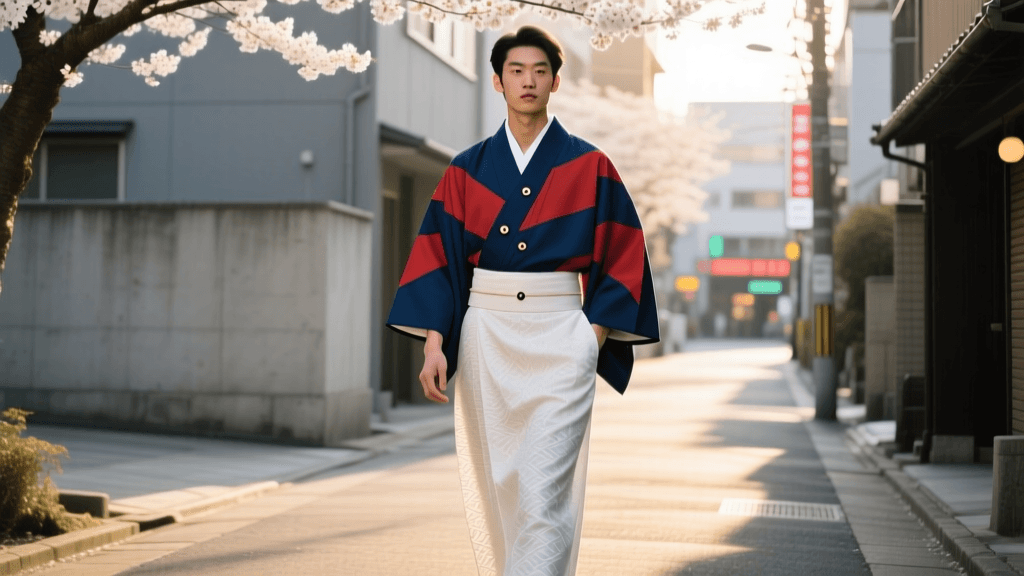
In the neon-lit arteries of Tokyo, from the bustling crossings of Shibuya to the vintage thrift corridors of Shimokitazawa, a sartorial revolution is underway. The traditional Japanese kimono and its shorter counterpart, the haori, are no longer confined to tea ceremonies, coming-of-age days, or summer matsuri festivals. Today, they are the cornerstone of a vibrant streetwear renaissance. Young fashion enthusiasts and avant-garde designers are deconstructing centuries-old silhouettes, merging them with contemporary urban aesthetics to create a hybrid style that honors Japanese heritage while pushing the boundaries of global street fashion.
This modern revival is not merely about wearing antique garments; it is an act of cultural reclamation and stylistic rebellion. By pairing meticulously woven silk jackets with chunky sneakers, distressed denim, and utilitarian accessories, a new generation is redefining what it means to wear traditional Asian garments in the 21st century. According to cultural analyses featured by BBC Culture, this youth-led movement is actively saving the kimono industry from decline, transforming it from a rigid, rule-bound tradition into a dynamic medium of personal expression.
Deconstructing the Modern Haori: The Ultimate Layering Piece
At the forefront of this streetwear movement is the haori, a traditional hip- or thigh-length kimono-style jacket. Historically worn over the kosode (the precursor to the modern kimono) for warmth and formality, the haori translates seamlessly into modern fashion as an open-front duster or bomber jacket alternative. Its straight seams, wide sleeves, and lack of a restrictive collar make it an incredibly versatile layering piece for both men and women.
Streetwear aficionados heavily favor vintage Meisen silk haori from the Taisho and early Showa eras (1912-1989). Meisen is a solution-dyed ikat silk known for its bold, graphic, and sometimes abstract patterns that look remarkably modern, almost resembling mid-century geometric art or contemporary camouflage. Another highly sought-after textile is Oshima Tsumugi, a mud-dyed pongee silk from Amami Oshima. Its subtle, dark, intricate geometric patterns offer a more understated, tech-wear-adjacent aesthetic that pairs perfectly with modern urban silhouettes.
Actionable Styling Guide: Kimono and Haori Streetwear
Transitioning traditional garments into a daily streetwear rotation requires breaking a few historical rules. Here is how to build a cohesive, modern ensemble:
- Footwear Fusion: Abandon the traditional zori sandals and white tabi socks. Instead, ground your haori with heavy, architectural footwear. The Maison Margiela Tabi Boot is a popular meta-choice, but chunky dad shoes like the Balenciaga Triple S or classic Dr. Martens 1460 combat boots provide the necessary visual weight to balance the flowing sleeves of the haori.
- Bottoms and Proportions: Avoid wearing a haori over a full-length traditional kimono for street settings, as it can look like a costume. Instead, layer a mid-thigh Meisen haori over wide-leg cargo pants, tailored pleated midi skirts, or even distressed denim. The contrast between the fluid silk and rigid utilitarian fabrics creates striking visual tension.
- Belt and Obi Hacks: Traditional obi belts are expensive, difficult to tie, and visually heavy. For a streetwear look, use a thick leather corset belt, a minimalist nylon tech-wear strap, or a simple braided obijime cord tied in a square knot over a plain cotton sash. This cinches the waist and adds a punk or cyberpunk edge.
- Inner Layering: Swap the formal nagajuban (under-kimono) for a crisp, oversized white poplin button-down shirt, a graphic vintage band tee, or a high-neck mesh turtleneck. The collar of a modern shirt peeking out from the V-neck of the haori bridges the gap between East and West, past and present.
Sourcing Your Streetwear Kimono: Costs, Timing, and Measurements
Building a streetwear kimono wardrobe requires knowing where to hunt, how to measure, and what to expect financially. Tokyo is the undisputed capital for this, though online sourcing is increasingly viable.
Where and When to Shop
For vintage haori and kimono, bypass the high-end department stores and head to Tokyo's 'recycle shops' (thrift stores) in neighborhoods like Koenji, Shimokitazawa, and Harajuku. Stores like Chicago and Tansu-ya offer bins of unsorted silk garments. For serious collectors, the Oedo Antique Market at the Tokyo International Forum is a goldmine. Timing: It operates on the first and third Sunday of every month. Arriving at 9:00 AM ensures first pick of rare Taisho-era Meisen pieces before they are scooped up by vintage dealers.
Understanding Measurements for a Streetwear Fit
Traditional garments are not sized S, M, or L. They are measured flat. To achieve an oversized, modern streetwear drop-shoulder fit, you must understand three key metrics:
- Yuki (Center-back to wrist): Measure from the base of your neck, across your shoulder, and down to your wrist. For a streetwear oversized look, look for a haori with a Yuki measurement 5 to 10 cm longer than your actual arm span to achieve that slouchy, dropped-shoulder silhouette.
- Sode-take (Sleeve depth): This is the vertical height of the sleeve. Traditional women's haori have deep sleeves (often 45-50 cm). For a boxier, more masculine or avant-garde streetwear proportion, look for a sode-take around 40 cm.
- Mi-goro (Body width): The width of the back panel. Since haori are worn open, this is less critical for fit, but a wider mi-goro (around 32-35 cm per panel) ensures the garment drapes heavily and flows like a modern duster coat.
Cost Breakdown
Vintage Meisen Haori (1920s-1950s): $30 to $80 USD at thrift shops. These are the best value for streetwear due to their bold patterns and durable silk.
Vintage Oshima Tsumugi Haori: $150 to $400 USD. Priced higher due to the labor-intensive mud-dyeing process and high demand among menswear enthusiasts.
Modern Artisan Nishijin-ori Haori: $500 to $2,000+ USD. Woven in Kyoto, these feature metallic threads and complex brocades. Best reserved for high-fashion, editorial streetwear looks rather than daily wear.
Comparison Chart: Traditional vs. Streetwear Styling
To visualize the shift from historical accuracy to modern styling, refer to the matrix below:
| Garment Element | Traditional Styling | Modern Streetwear Styling |
|---|---|---|
| Footwear | Zori sandals with white tabi socks | Chunky sneakers, combat boots, or Tabi boots |
| Inner Layer | Nagajuban (silk under-kimono) with han-eri collar | Oversized poplin shirts, graphic tees, or mesh tops |
| Bottoms | Hakama or hidden beneath a full-length kimono | Wide-leg denim, cargo pants, or pleated midi skirts |
| Waist Cinching | Wide, stiff obi belt tied in complex knots (e.g., taiko musubi) | Leather corset belts, nylon tech-straps, or simple braided cords |
| Accessories | Kanzashi hairpins, folding fans, zori bags | Silver jewelry, crossbody tech-bags, beanies, or snapbacks |
The Cultural Impact of the Kimono Revival
The integration of the kimono and haori into streetwear is part of a broader global conversation about the longevity and adaptability of traditional Asian dress. Major cultural institutions have recognized this shift. The Victoria and Albert Museum in London highlighted this evolution in their landmark exhibition 'Kimono: Kyoto to Catwalk,' which traced the garment's journey from the aristocratic courts of the Edo period to the runways of Alexander McQueen and the streets of Harajuku. The exhibition underscored that the kimono has always been a fashion-forward garment, subject to trends, commercialization, and radical reinvention.
Similarly, The Metropolitan Museum of Art in New York explored how the kimono's T-shaped, flat-plane construction has profoundly influenced Western and global fashion, from Madeleine Vionnet's bias cuts to contemporary streetwear silhouettes. By adopting the haori as a streetwear staple, today's youth are not disrespecting their heritage; they are participating in a centuries-old tradition of sartorial innovation. They prove that the kimono is not a fragile relic to be kept behind glass, but a living, breathing textile that continues to shape the vanguard of global fashion.
Final Tips for the Aspiring Streetwear Enthusiast
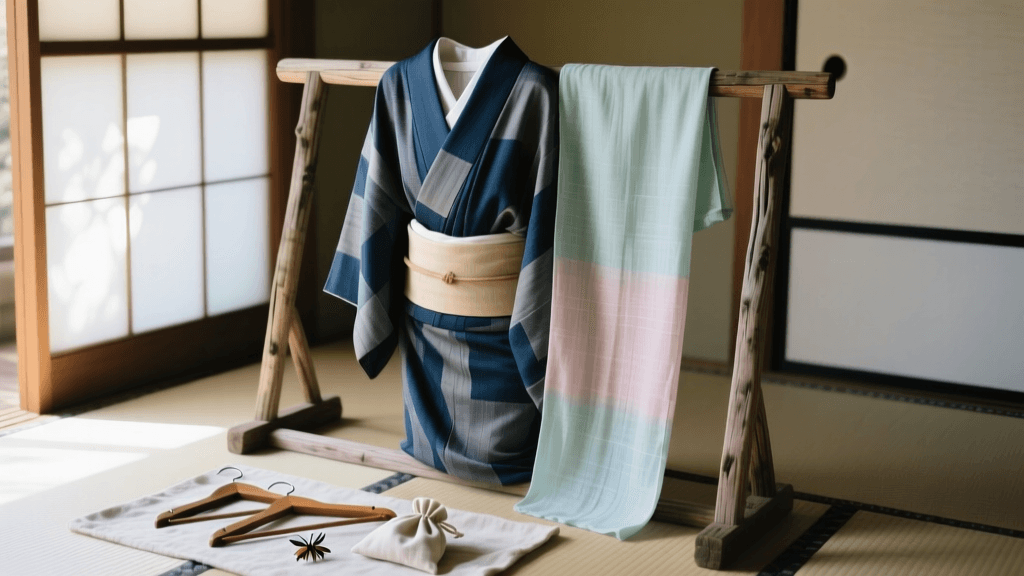
If you are stepping into this world, start with a single, high-quality vintage Meisen haori. Learn to care for the silk—store it flat, avoid wire hangers which distort the shoulder seams, and use specialized silk detergents if washing is necessary. Embrace the imperfections of vintage textiles; a slight fray or a faded patch of mud-dye adds character and tells the story of the garment's past life. Ultimately, modern kimono street fashion is about confidence. It is about taking a garment steeped in history and boldly dragging it into the future, one step at a time, on the soles of a pair of heavy combat boots.