Guide to Japanese Festival Costumes: Yukata and Happi
The Magic of Matsuri: Dressing for Performance and Participation
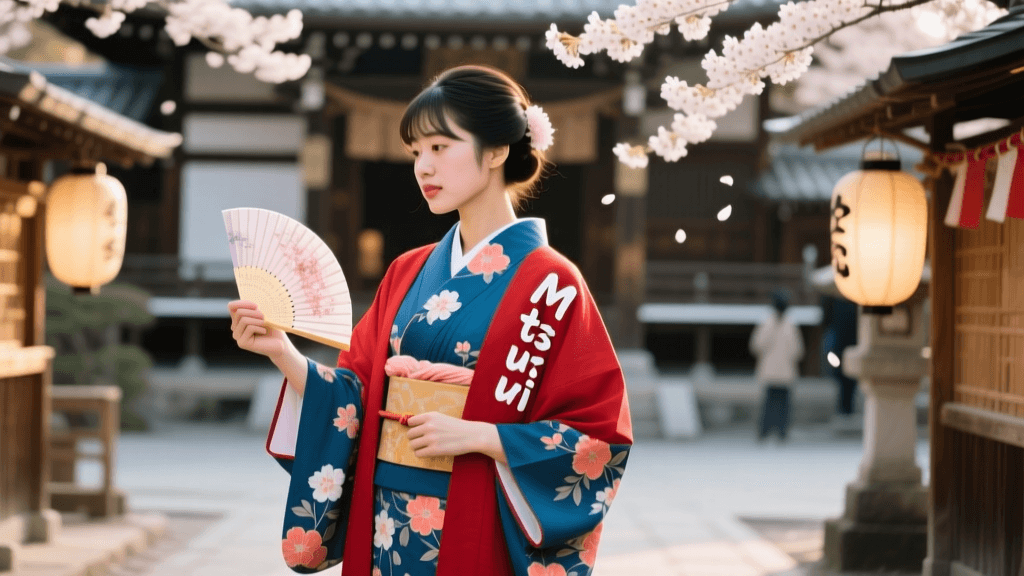
Japanese summer festivals, or matsuri, are a vibrant explosion of sound, movement, and community spirit. From the rhythmic pounding of taiko drums to the synchronized, sweeping motions of Bon Odori folk dances, these events are deeply participatory. To fully engage in a matsuri, wearing the correct traditional garment is not merely about aesthetics; it is a functional necessity that dictates your mobility, comfort, and connection to the cultural performance. Whether you are preparing to carry a heavy mikoshi (portable shrine), dance the night away at the Awa Odori, or simply navigate the bustling food stalls, understanding the mechanics of Japanese festival costumes is essential.
According to the Japan National Tourism Organization (JNTO), participating in a matsuri offers an unparalleled glimpse into local traditions, and donning the appropriate festival attire bridges the gap between spectator and active participant. This guide explores the construction, performance benefits, and practical sourcing of the two most iconic Japanese festival garments: the yukata and the happi coat.
The Yukata: Engineering for Elegance and Dance
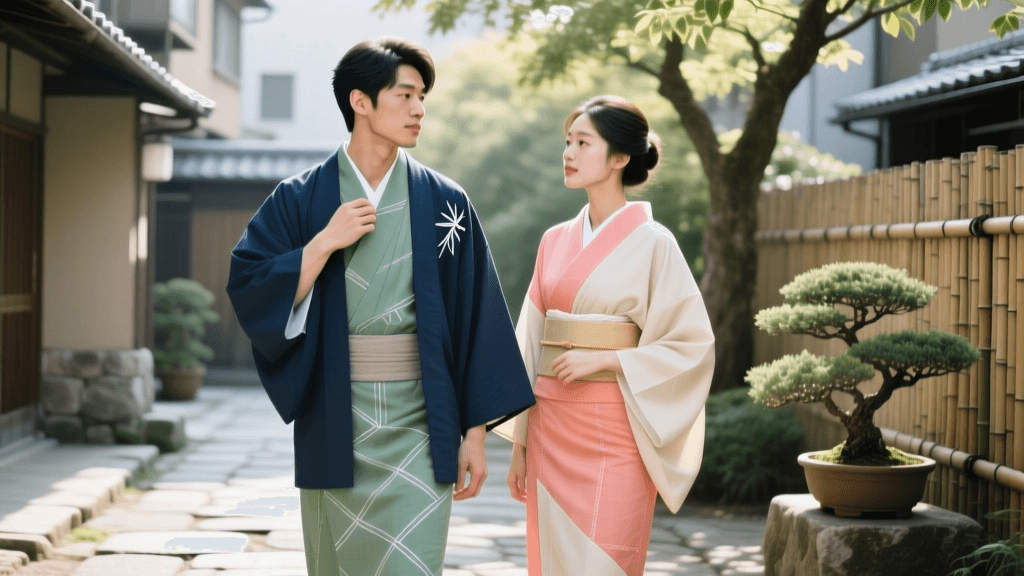
The yukata is a lightweight, unlined cotton robe traditionally worn during the humid Japanese summer. While often viewed simply as casual wear, the yukata is the primary costume for women and many men participating in Bon Odori (ancestor-honoring dances). The construction of the yukata is specifically designed to accommodate movement while maintaining a dignified silhouette.
Key Construction Features for Mobility
- Miyatsukuchi (Armhole Slits): Unlike Western garments, the yukata features open slits under the arms at the side seams. This allows for immense ventilation and prevents the fabric from riding up when the arms are raised during dances like the Tanko Bushi (coal miner's dance).
- Okumi (Front Overlap Panels): The triangular front panels allow the garment to wrap securely across the body. When tied correctly with a koshihimo (waist tie), the okumi ensures the skirt remains closed even during vigorous spinning and stepping.
- Sode (Sleeves): Festival yukata typically feature shorter, more manageable sleeves compared to formal kimono, preventing the fabric from dipping into food or catching on festival props.
Obi Tying for Performance
For festival dancing, the way the obi (sash) is tied is crucial. The Taiko Musubi (drum knot), while elegant, features a bulky protrusion at the back that can interfere with movement and crowd navigation. Instead, performers and active participants utilize the Bunko Musubi (butterfly knot) or the Karuta Musubi. These knots sit flatter against the lower back, maintaining the dancer's center of gravity and allowing for unrestricted backward leaning and spinning.
The Happi Coat: The Ultimate Percussive and Shrine Garment
If the yukata is the garment of the dancer, the happi (or hapi) coat is the uniform of the festival's engine room. Originally worn by Edo-period firefighters and samurai attendants, the happi has evolved into the quintessential garment for taiko drummers, mikoshi carriers, and festival organizers. The Tokyo Tourism Official Website highlights the happi as a symbol of local pride, often emblazoned with the kanji for 'matsuri' or a specific neighborhood's crest.
Anatomy of the Happi
The happi is a short, straight-cut jacket that falls to the hips or mid-thigh. It is designed explicitly for high-output physical labor and performance.
- Maemigoro (Front Panels): The front panels do not overlap tightly like a kimono; they are left open or secured with a simple sash, allowing for maximum torso rotation and deep breathing required for taiko drumming.
- Sodeguchi (Sleeve Openings): The sleeves are wide and short, ending above the wrist. This ensures that when a drummer raises their bachi (drumsticks) high above their head, the fabric does not restrict the shoulder joint or obscure vision.
- Eri (Lapel): The lapel is typically black or navy, contrasting with the lighter fabric of the body, and is reinforced to withstand the friction of a thick cotton sash.
'The happi coat strips away the formality of traditional Japanese dress, replacing it with a rugged, utilitarian ethos that unites the wearer with the physical demands of the festival.' — Traditional Japanese Garment Conservators
Pairing the Happi for Performance
Because the happi is short, it must be paired with appropriate lower garments. For mikoshi carrying, men traditionally wear a fundoshi (loincloth) or tight-fitting tobi pants that taper at the calf to prevent catching on the shrine's wooden beams. Women performing in happi coats often pair them with modern compression shorts or lightweight hakama to ensure modesty and prevent chafing during hours of continuous marching.
Footwear and Accessories: Grounding the Performance
A costume is only as functional as its foundation. Festival performances require specific footwear and accessories to manage sweat, provide grip, and protect the feet.
Tabi and Jikatabi
The split-toe tabi sock is essential for wearing traditional thonged footwear. For heavy labor and taiko drumming, performers upgrade to jikatabi—split-toe shoes with rubber soles. The separation of the big toe allows for superior balance and grip on wooden stages and slippery asphalt, acting almost like a second skin for the foot.
Geta and Zori Sizing Rules
When wearing geta (wooden clogs) for dances like the Awa Odori, sizing is counterintuitive to Western footwear. According to experts featured on the Japan Guide, geta should be purchased slightly smaller than your actual foot length. Your heel should overhang the back edge of the wooden base by 1 to 2 centimeters. This prevents the back of the geta from catching on the ground or your opposite ankle when executing rapid, sliding dance steps.
Tenugui and Hachimaki
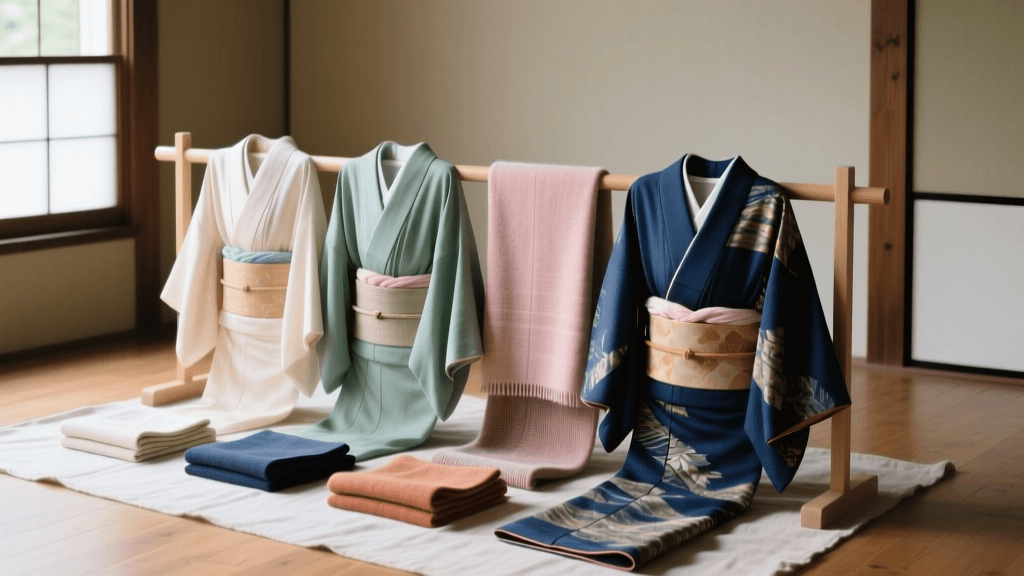
The tenugui (cotton hand towel) is the unsung hero of the matsuri. Worn wrapped around the head as a hachimaki, it keeps sweat out of the eyes during intense performances. It can also be tied around the neck to protect the yukata collar from skin oils, or used to wipe down instruments and props.
Performance Garment Comparison Chart
Choosing the right garment depends entirely on your role in the festival. Below is a structured comparison to help you decide which costume suits your performance needs.
| Garment | Primary Festival Role | Mobility Rating | Breathability | Average Cost (USD) |
|---|---|---|---|---|
| Yukata | Bon Odori Dancer, Spectator | Medium (Restrictive if tied too tight) | High (Lightweight Cotton) | $40 - $120 |
| Happi Coat | Taiko Drummer, Mikoshi Carrier | Very High (Open front, short sleeves) | Medium (Thicker Cotton) | $25 - $80 |
| Samue | Festival Staff, Artisan Demonstrator | High (Two-piece, elastic/drawstring) | High (Linen/Cotton blends) | $50 - $150 |
| Jinbei | Casual Attendee, Children's Wear | High (Shorts and top) | Very High (Often woven slub cotton) | $30 - $90 |
Practical Guide: Budgeting, Sourcing, and Timing
Acquiring authentic, performance-ready festival wear requires strategic shopping. Here is actionable advice for sourcing your garments.
Where to Buy
- For Happi Coats: Stores like Don Quijote in Japan offer mass-produced happi coats for as little as $25. While the fabric is often a polyester-cotton blend, they are highly durable and perfect for single-use or high-sweat activities where dry-cleaning a silk-blend would be impractical.
- For Yukata: Vintage kimono shops (recycle shops) in areas like Kyoto's Shijo district or Tokyo's Koenji are goldmines. You can find high-quality, pre-worn cotton yukata for $15 to $30. Ensure the mitake (length) matches your height, ideally reaching just above the ankle bone when the collar is pulled taut.
- For Footwear: Specialized tabi manufacturers like Marugo or Ifuku provide performance-grade jikatabi with reinforced rubber soles, essential for outdoor festival stages.
Timing Your Purchase
Do not wait until the week of the matsuri to buy your gear. Department stores in Japan begin stocking summer festival wear in early May. By late June, sizes become scarce, and tailoring services (for hemming yukata skirts or adjusting sleeve lengths) are booked solid. If ordering online from international retailers, allow at least six weeks for shipping and potential customs delays.
Conclusion
Traditional Japanese festival costumes are a masterclass in functional design. The yukata offers a breathable, elegant canvas for the sweeping choreography of Bon Odori, while the happi coat provides the rugged, unrestricted mobility needed for the raw physical power of taiko and mikoshi carrying. By understanding the specific measurements, tying techniques, and material choices required for these garments, you can transition from a passive observer to an active, comfortable, and respectful participant in Japan's most exhilarating cultural performances.