Xin Zhongshi Runway Trends at Paris Fashion Week 2026
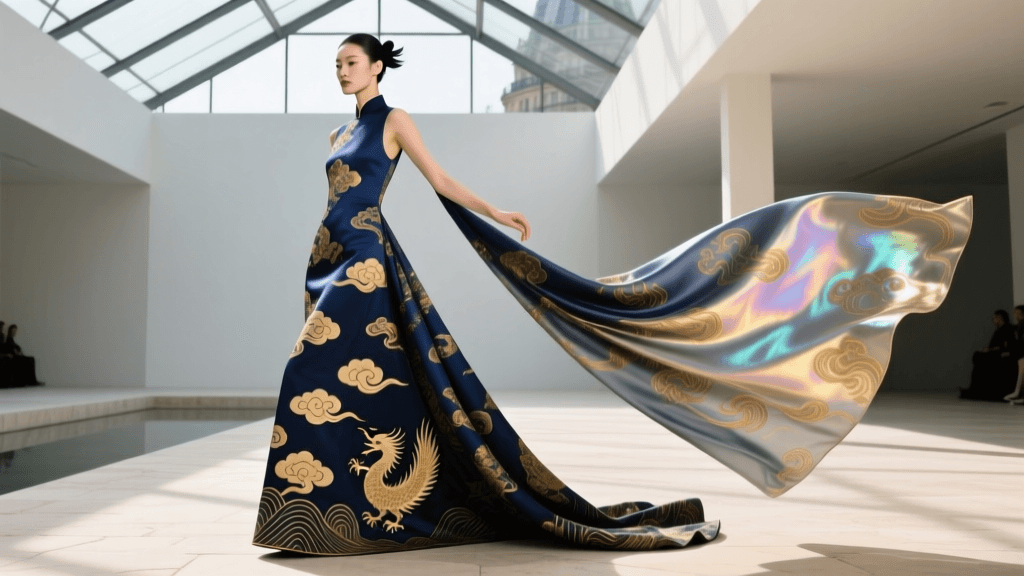
The 2026 Paradigm Shift: Beyond Cliché to Couture
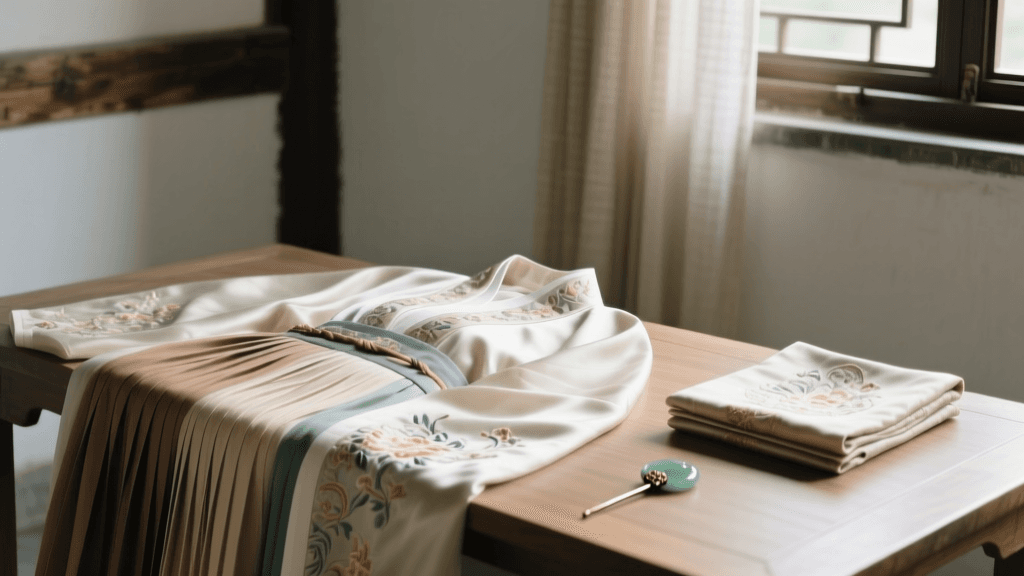
Paris Fashion Week Fall/Winter 2026 marked a definitive turning point for global luxury. Moving far beyond the superficial motifs of dragons and red silk that once dominated Western interpretations of Asian fashion, the 2026 runways were unequivocally defined by Xin Zhongshi (新中式), or the New Chinese Style. This sophisticated design philosophy deconstructs heritage tailoring—such as the jiaoling youren (crossed collar right lapel) and the structural geometry of the mamianqun (horse-face skirt)—and fuses it with avant-garde European silhouettes. As officially recognized on the guest member roster by the Fédération de la Haute Couture et de la Mode, emerging and established Chinese design houses are no longer just participating in the global fashion week circuit; they are dictating its textile trends.
For international buyers, boutique owners, and fashion archivists, understanding the 2026 Xin Zhongshi movement requires a deep dive into its foundational textiles. This season, two heritage fabrics dominated the Parisian catwalks: the architectural brilliance of Song Brocade and the sustainable luxury of Xiangyunsha. This comprehensive guide breaks down the fabric drape analysis, sourcing logistics, and exhibition crossovers that define Chinese fashion on the international stage this year.
Hero Textiles of the 2026 Runways
Song Brocade (Songjin): Architectural Elegance
Originating in the Song Dynasty, Song Brocade is renowned for its intricate, multi-layered weaving techniques. In 2026, designers showcased a modernized, matte-finished iteration of this textile. Unlike the high-shine metallic brocades of previous decades, the 2026 Song Brocade utilizes oxidized silver threads and raw silk warps to create a subdued, structural fabric. From a fabric drape analysis perspective, this textile possesses a high bending rigidity, making it entirely unsuitable for fluid bias-cut gowns but absolutely perfect for architectural outerwear, corseted bodices, and structured cocoon coats. The warp density in the 2026 runway samples averaged 120 threads per centimeter, providing a canvas-like stability that holds pleats and sharp lapels without the need for synthetic interlining.
Xiangyunsha: The Sustainable "Soft Gold"
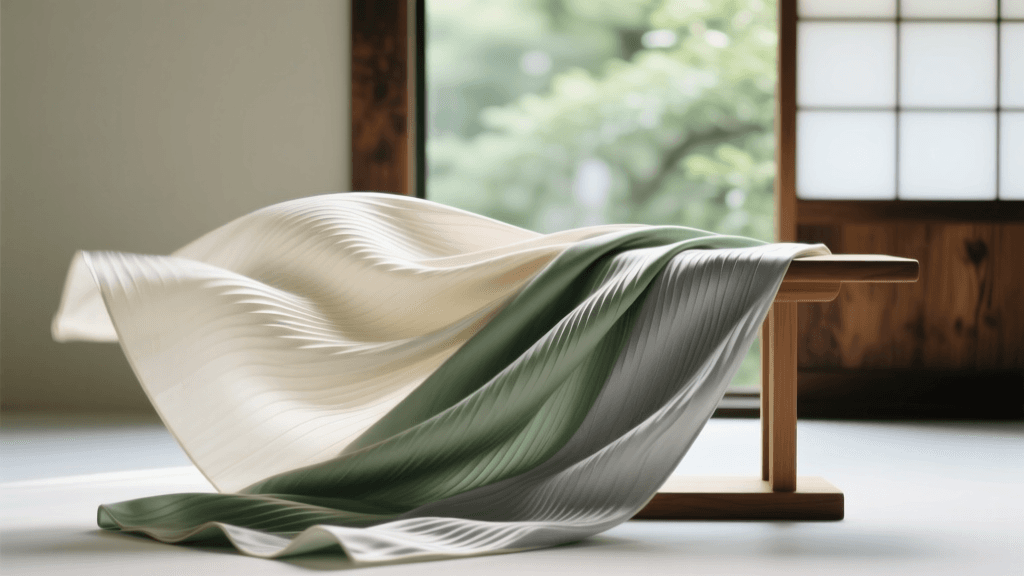
If Song Brocade provided the structure for the 2026 collections, Xiangyunsha (Gambiered Guangdong Gauze) provided the movement. Known as the "soft gold" of silk, Xiangyunsha is dyed using the juice of the Dioscorea cirrhosa root and coated with iron-rich river mud, then sun-baked. This centuries-old, zero-chemical process perfectly aligns with the stringent eco-luxury mandates of the 2026 European market. On the runway, Xiangyunsha was utilized for its unique acoustic and kinetic properties; the fabric produces a subtle, papery rustle when the model moves, and its natural water-resistant coating gives it a leather-like luster that catches the runway lights beautifully. Designers leveraged its fluid drape to create cascading evening wear and oversized, flowing trench coats that billow with an organic, heavy grace.
PFW 2026: Designer Spotlight and Buyer’s Matrix
For global retailers attending the Paris showrooms this season, navigating the pricing and lead times for authentic heritage textiles is critical. The integration of hand-loomed fabrics into ready-to-wear collections creates unique supply chain bottlenecks. Below is a comparative matrix of three leading design houses showcasing Xin Zhongshi at PFW 2026, detailing their hero textiles, silhouette focus, and wholesale parameters.
| Designer Label | Hero Textile | Silhouette Focus | Wholesale Price (EUR) | Lead Time |
|---|---|---|---|---|
| Samuel Guì Yang | Xiangyunsha | Tailored Trench & Draped Blouses | €850 - €1,400 | 14 Weeks |
| Ming Ma | Matte Song Brocade | Corseted Gowns & Structured Skirts | €1,200 - €2,500 | 16 Weeks |
| Chen Peng | Tech-Songjin Hybrid | Voluminous Puffer Outerwear | €600 - €950 | 10 Weeks |
Actionable Sourcing Guide for Global Buyers
Sourcing authentic Xin Zhongshi textiles for international retail requires navigating specialized artisanal supply chains. If you are a buyer looking to incorporate these materials into your 2026 private label collections or secure exclusive showroom pieces, adhere to the following sourcing parameters:
- Minimum Order Quantities (MOQs): Authentic Song Brocade woven on traditional wooden jacquard looms in Suzhou requires high MOQs due to the loom setup time. Expect a minimum of 300 meters per custom colorway. Xiangyunsha, being sun-and-mud dependent, is subject to weather delays; MOQs are typically lower (around 100 meters), but lead times fluctuate based on the monsoon season in Guangdong.
- Customs and Import Classifications: When importing Xiangyunsha into the EU or North America, ensure your customs broker correctly classifies the mud-dyeing process. Because the iron-rich mud alters the silk's chemical composition, it must be declared under specific coated textile HS codes to avoid seizure at border control for suspected unauthorized mineral treatments.
- Negotiating Exclusivity: For the 2026 season, top-tier mills in Shengze (the brocade capital) are offering 18-month regional exclusivity contracts for buyers who commit to over 500 meters. This prevents fast-fashion conglomerates from copying your proprietary weave patterns.
Archival Care and Storage Maintenance
The maintenance of these heritage textiles is vastly different from standard silk or wool. Boutique owners and private collectors must update their storage maintenance protocols for 2026 acquisitions:
"The iron-mud coating on Xiangyunsha makes it highly resistant to mold and insects, but it is notoriously susceptible to micro-cracking if stored in environments with fluctuating humidity. Conversely, Song Brocade's metallic threads will oxidize and tarnish if exposed to high sulfur environments or improper lighting."
- Xiangyunsha Storage: Maintain a strict relative humidity (RH) of 50-55%. Do not hang heavy Xiangyunsha garments on wire or thin wooden hangers; the weight of the mud-coated silk will cause shoulder distortion. Use padded, acid-free hangers and store in breathable cotton garment bags. Never dry clean; the chemical solvents will strip the gambier root tannins. Spot clean only with distilled water.
- Song Brocade Storage: Store in a climate-controlled vault at 18°C (64°F) with an RH of 45%. Because the structural integrity relies on the tension of the warp threads, heavily structured brocade garments should be stuffed with acid-free tissue paper to maintain their three-dimensional shape and prevent the metallic weft threads from snapping under fold pressure.
The Exhibition Circuit: Museum Crossovers
The impact of the 2026 Paris runways extends far beyond the commercial fashion week tents; it is simultaneously reshaping academic research and museum exhibitions. Major institutions are actively acquiring PFW 2026 pieces for their permanent archives, recognizing Xin Zhongshi as a pivotal moment in 21st-century fashion history. According to curators analyzing contemporary textile movements at the Victoria and Albert Museum's Asian collections, the integration of ancient weaving techniques into modern, wearable silhouettes represents a critical bridge between intangible cultural heritage and contemporary global commerce.
This autumn, the Palais Galliera in Paris and the Metropolitan Museum of Art in New York are slated to host joint symposiums focusing on the "Drape and Structure of the New Chinese Silhouette." These exhibitions will feature fabric drape analysis using 3D motion-capture technology, demonstrating to academic researchers and fashion students exactly how the crossed-collar geometry distributes weight differently than Western darted tailoring. For industry professionals, attending these exhibitions provides invaluable insight into the historical accuracy and technical execution that top-tier buyers are demanding in the 2026 market.
Conclusion
The 2026 international design weeks have proven that Xin Zhongshi is not a fleeting trend, but a permanent fixture in the upper echelons of global luxury. By mastering the nuances of Song Brocade and Xiangyunsha—from understanding their structural drape to navigating their complex sourcing and storage requirements—buyers and collectors can position themselves at the forefront of this cultural and sartorial renaissance. As Asian traditions continue to inform the future of global fashion, the runways of Paris remain the ultimate proving ground for heritage textiles reimagined for the modern world.