The Sound of Silk: Kimono Sensory Experience in 2026
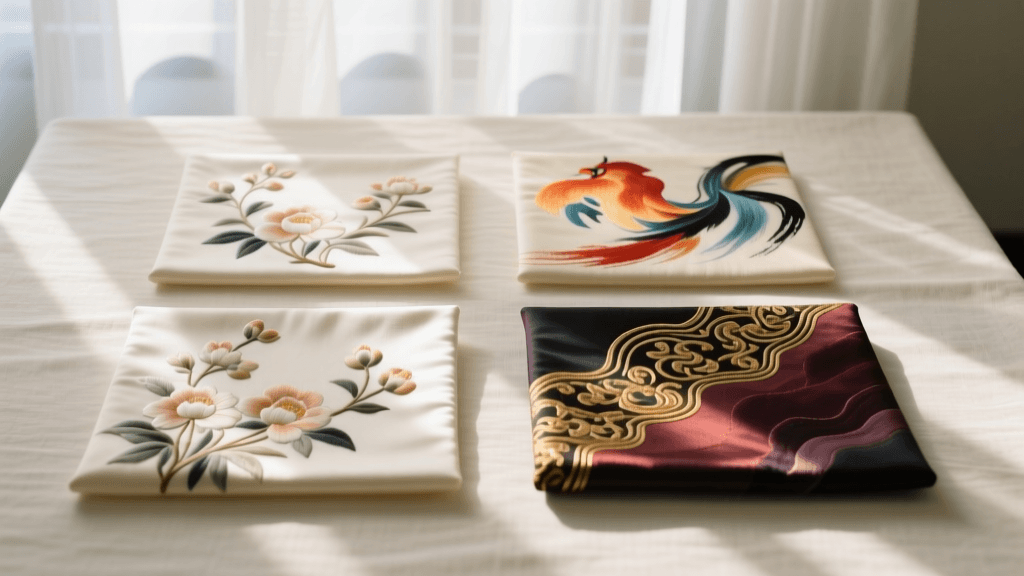
When we think of traditional Japanese garments, our minds immediately drift toward visual splendor: the vibrant crimson of a shibori dye, the delicate gold leaf of a Nishijin obi, or the graceful drape of a silk sleeve. However, in 2026, a renaissance in sensory fashion and textile mindfulness has brought the acoustic and tactile properties of the kimono to the forefront of cultural appreciation. The true magic of Japanese traditional clothing is not just seen; it is felt and heard. This comprehensive guide explores the fascinating world of kimono fabric texture, the acoustic phenomenon of silk rustling, and how modern artisans and researchers are preserving these sensory profiles for future generations.
The Physics and Poetry of Kinu-Zure (The Silk Rustle)
The Japanese language possesses a highly specific and poetic onomatopoeia for the sound of silk garments rubbing together: kinu-zure (衣擦れ). Historically, this soft, rhythmic swishing was considered an essential component of a refined woman's presence. In the quiet, wooden corridors of a traditional machiya or a serene Zen temple, the kinu-zure announced a person's arrival before they were even visible, serving as an auditory extension of their elegance.
From a materials science perspective, the sound of kinu-zure is generated by the unique physical structure of silk filaments. Unlike synthetic fibers which are perfectly smooth and cylindrical, natural silk fibers possess a triangular prism-like structure. When these fibers are woven tightly and rub against one another, the microscopic edges catch and release, creating a distinct, high-frequency acoustic emission. According to archival and material research supported by the Kyoto Costume Institute, the acoustic signature of a garment was historically considered a marker of social standing, with higher-quality, tightly woven silks producing a crisper, more resonant rustle compared to the dull thud of cotton or hemp.
In 2026, acoustic textile mapping has become a vital tool in garment preservation. Researchers are now using highly sensitive parabolic microphones to record the exact decibel levels and frequency spectrums of Edo-period garments, ensuring that the 'voice' of historical textiles is archived alongside their visual patterns.
Tactile Landscapes: Mapping Kimono Weaves
The sensory experience of a kimono is deeply rooted in its weave. The tactile feedback against the skin dictates not only the comfort of the wearer but also the acoustic profile of the garment. Let us explore the three most prominent textile weaves and their unique sensory characteristics.
Chirimen (Silk Crepe)
Chirimen is the undisputed king of kinu-zure. This fabric is created using a plain weave, but with a crucial twist: the weft yarns are tightly twisted (up to 3,000 twists per meter) before weaving. When the fabric is washed and the sericin (silk gum) is removed, the yarns untwist slightly, creating a beautiful, bumpy texture known as 'shibo'. Tactilely, chirimen feels dry, slightly pebbled, and incredibly rich. Acoustically, the high surface friction of the shibo creates the loudest and most iconic silk rustle. In 2026, modern sensory therapy workshops in Kyoto utilize chirimen swatches for tactile grounding exercises, leveraging its complex texture to stimulate nerve endings in the hands.
Habutae (Plain Weave Silk)
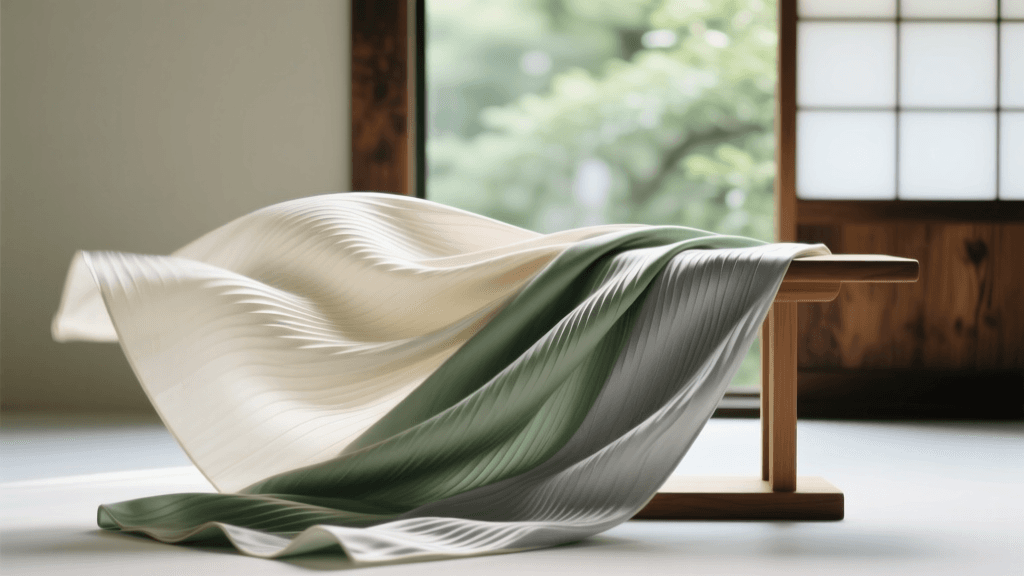
In stark contrast to chirimen, habutae is woven with untwisted, flat silk threads. The result is a fabric that is exceptionally smooth, glossy, and fluid. Tactilely, it feels cool and liquid against the skin, which is why it is the premier choice for kimono linings (the hakkake and doura). Because the fibers lie flat and slide past one another with minimal friction, habutae is virtually silent. It provides a sensory 'baseline' of cool comfort that allows the heavier, louder outer layers of the kimono to take center stage.
Oshima Tsumugi (Mud-Dyed Pongee)
For those who prefer an earthy, grounded sensory experience, Oshima Tsumugi offers a profound alternative. Originating from Amami Oshima, this textile is woven from silk threads that have been dyed in iron-rich mud, resulting in a deep, muted charcoal color. The threads are spun rather than reeled, giving the fabric a slubby, cotton-like texture. Tactilely, it is warm, matte, and slightly rough, resembling fine linen or raw cotton. Acoustically, it produces a soft, muted 'shhh' sound rather than a crisp rustle, reflecting its humble, agrarian origins and its deep connection to Zen aesthetics of wabi-sabi.
Comparative Sensory Chart: Kimono Textiles in 2026
Understanding the interplay between touch and sound is crucial for collectors, designers, and cultural historians. The table below outlines the primary sensory metrics of popular kimono fabrics as categorized by contemporary textile researchers.
| Fabric Type | Tactile Profile | Acoustic Signature (Kinu-zure) | Friction Coefficient | Best Sensory Use |
|---|---|---|---|---|
| Chirimen (Crepe) | Pebbled, dry, rich, warm | Loud, crisp, high-frequency rustle | High | Outer garments, formal wear, tactile stimulation |
| Habutae (Plain) | Smooth, cool, liquid, glossy | Silent, frictionless glide | Low | Linings, undergarments, cooling summer wear |
| Tsumugi (Pongee) | Slubby, matte, earthy, warm | Soft, muted, low-frequency whisper | Medium | Casual wear, Zen meditation, grounded mindfulness |
| Rinzu (Damask) | Patterned relief, soft, plush | Moderate, layered swish | Medium-High | Obi sashes, formal ceremonial layers |
The Zen of Movement: How Fabric Dictates Posture
The sensory experience of a kimono extends far beyond passive touch and sound; it actively shapes the wearer's physical movement and mental state. The physical weight of a fully layered kimono, combined with the restrictive nature of the obi sash, enforces a specific posture. To prevent the garment from disheveling and to maintain the elegant kinu-zure, wearers must adopt suriashi—a sliding, gliding walk where the feet remain close to the floor.
This physical restriction is deeply intertwined with Zen spirituality. The sensory feedback of the heavy silk pulling gently at the shoulders, the tight embrace of the obi around the core, and the rhythmic swishing of the hem act as continuous somatic anchors. In 2026, mindfulness practitioners and somatic therapists have begun incorporating kimono-wearing into movement therapy. The garment forces the wearer to slow down, breathe deeply from the diaphragm (despite the obi's restriction), and move with deliberate intention. The sound of the silk becomes a metronome for meditation, linking the physical body to the present moment.
Acoustic Preservation: Textile Archiving in 2026
As we navigate 2026, the preservation of traditional crafts has entered a high-tech era. While visual documentation and chemical stabilization have long been the standard for museum conservation, acoustic preservation is the newest frontier. The Ministry of Economy, Trade and Industry (METI) has increasingly supported initiatives that document the intangible cultural properties of Japanese textiles, which includes the auditory experience of the garments in motion.
In weaving hubs like Nishijin in Kyoto and Kiryu in Gunma, master weavers are collaborating with audio engineers to create 'sensory digital twins' of historical garments. By analyzing the twist-per-meter of antique chirimen and mapping the acoustic resonance of the silk, modern looms are being calibrated to replicate not just the look, but the exact sound and feel of Edo-period textiles. This ensures that when a contemporary artisan creates a new kimono using traditional methods, it will 'sing' with the exact same voice as those crafted centuries ago.
How to Experience Kimono Sensory Workshops in 2026
For travelers, textile enthusiasts, and designers visiting Japan in 2026, experiencing the sensory depth of the kimono is more accessible than ever. Global institutions, such as the Victoria and Albert Museum, have frequently noted the importance of multisensory engagement in Asian textile exhibitions, a trend that has heavily influenced Japanese cultural tourism.
In Kyoto's Higashiyama district, several boutique kimono rental studios now offer 'Sensory Dressing' experiences. Unlike standard tourist rentals that prioritize quick visual makeovers, these specialized workshops guide participants through the tactile selection of fabrics. Guests are encouraged to close their eyes and feel the difference between a summer ro (gauze) weave and a winter chirimen, and to listen to the acoustic shifts as they walk across different surfaces—from tatami mats to wooden engawa verandas. Furthermore, specialized weaving studios in the Tango Peninsula offer hands-on workshops where participants can twist their own silk yarns, physically feeling the tension required to create the iconic shibo texture of chirimen.
Ultimately, the kimono is not merely a garment to be looked at; it is an immersive, multisensory environment. By paying attention to the rustle of the silk, the pebbled touch of the crepe, and the mindful movement it demands, we unlock a deeper, more profound understanding of Asian traditions. In 2026, as we increasingly seek grounding in a digital world, the ancient, whispering voice of kinu-zure offers a beautiful, tactile reminder of the poetry woven into the fabric of Japanese culture.