Kimono Weather Guide 2026: Rain, Snow & Heat Adaptations
The Evolution of Kimono in Extreme Climates
Wearing a traditional kimono is an art form that transcends mere fashion; it is a deeply ingrained cultural practice that connects the wearer to the seasons. However, Japan’s diverse and often unforgiving climate presents unique challenges for kimono enthusiasts. From the sweltering, hyper-humid summers of Kyoto to the heavy, biting snowfalls of Hokkaido, and the torrential downpours of the autumn typhoon season, dressing in traditional garments requires strategic adaptation. As we navigate the fashion landscape of 2026, the intersection of heritage craftsmanship and modern textile technology has never been more vital for preserving this elegant tradition in extreme weather.
According to the Victoria and Albert Museum, the evolution of kimono textiles has always been intrinsically linked to environmental adaptation, with historical weavers developing specialized fabrics to combat seasonal shifts. Today, modern practitioners have an expanded arsenal of gear. With the Japan Meteorological Agency noting increasingly intense summer heatwaves and unpredictable precipitation patterns in 2026, understanding how to protect both the wearer and the garment is essential for any serious collector or cultural enthusiast.
Summer Heat Adaptations: Surviving the Tsuyu and Mid-Summer
The Japanese summer is notorious for its oppressive humidity, particularly during the tsuyu (rainy season) in June and the peak heat of August. Wearing multiple layers of silk in these conditions can quickly become unbearable without the proper adaptations. In 2026, the focus is on maximizing airflow and utilizing advanced moisture-wicking undergarments.
Traditional Summer Weaves: Ro and Sha
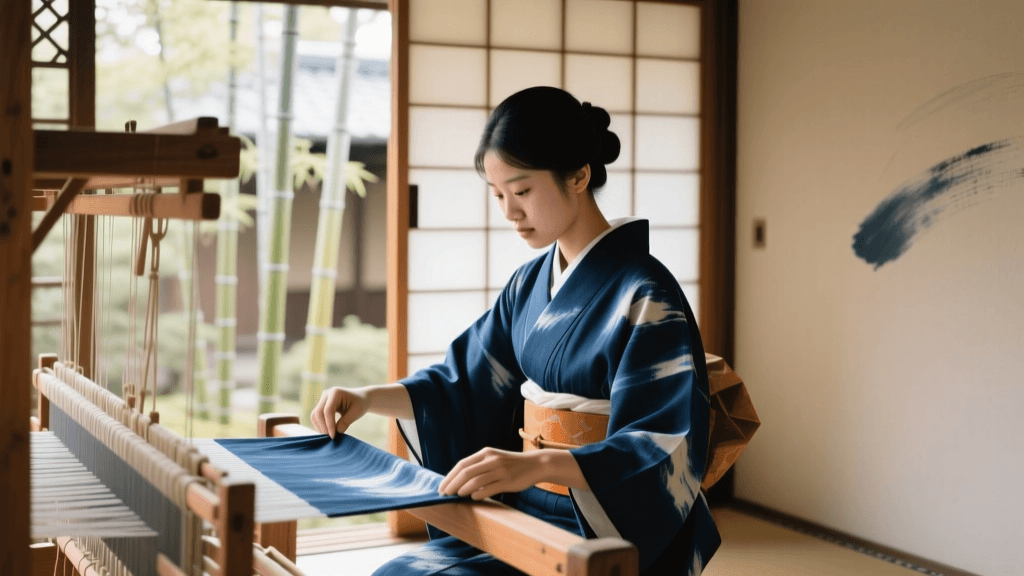
For formal and semi-formal summer wear, the traditional choices remain ro and sha. These are specialized silk gauze weaves that feature intentional gaps in the fabric structure to allow air circulation. Ro features a striped pattern of gaps, making it slightly more opaque and suitable for early and late summer, while sha has a uniform, highly porous weave, making it the ultimate choice for peak August heat. In 2026, master weavers in the Tango region have introduced ultra-fine metallic threads into these gauze weaves, reflecting sunlight while maintaining the fabric's breathability.
Modern Cooling Undergarments
The true secret to surviving a Japanese summer in kimono lies beneath the outer layers. The hadajuban (under-kimono) and susoyoke (half-slip) are now frequently crafted from advanced contact-cooling synthetic blends. Brands specializing in kimono lingerie have released 2026 collections featuring phase-change material (PCM) fibers that actively absorb and dissipate body heat. Additionally, the use of an ase-kake (a specialized sweat guard worn around the collar and underarms) is mandatory to protect the delicate silk outer layers from perspiration damage.
Navigating Rain and Typhoon Season
Rain is the natural enemy of silk. Water spots can permanently stain traditional fabrics, and the hems of a kimono act like a wick, drawing muddy water up into the garment. When the skies darken, immediate adaptations are required to protect your investment and maintain your dignity.
The Modern Ame-Gappa
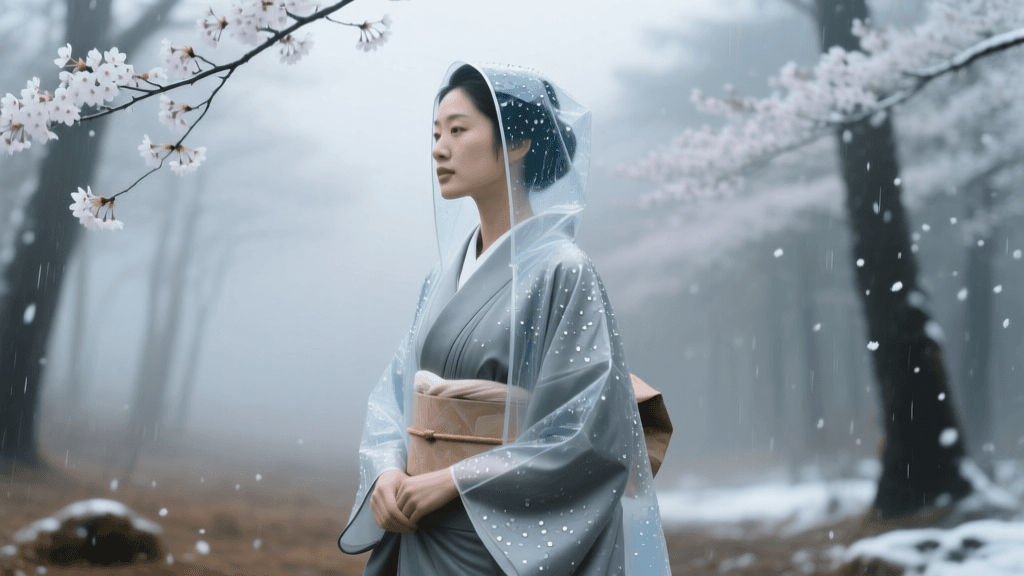
The ame-gappa (raincoat) is a traditional kimono rain cover. Historically made from oiled paper or treated cotton, the 2026 iterations are marvels of functional design. Modern raincoats are constructed from lightweight, breathable waterproof membranes similar to Gore-Tex, tailored specifically to accommodate the wide sleeves and obi (sash) of the kimono. They typically feature a wrap-around design with hidden magnetic closures, allowing for quick removal when entering a tea house or indoor venue without disrupting the underlying outfit.
Hem Guards and Footwear Protection
To protect the lower half of the kimono, wearers utilize a suso-yoke (hem guard), which can be tied tightly to elevate the kimono's hem above the ankles. For the feet, traditional zori sandals are highly susceptible to water damage. In wet conditions, practitioners switch to shigure—waterproof toe covers made of treated leather or modern synthetic rubber that slip over the thong of the zori. Alternatively, 2026 has seen a surge in the popularity of ame-zori, which are rain-specific sandals featuring elevated, non-slip rubber soles and waterproof vinyl uppers designed to mimic the aesthetic of traditional lacquered wood.
Conquering Winter Snow and Biting Cold
Winter in regions like Kanazawa or Hokkaido demands rigorous thermal management. The kimono system is inherently modular, allowing for significant layering, but extreme cold requires specialized outerwear and insulated accessories.
Layering and the Michiyuki
The base layer of winter warmth is the naga-juban (long undergarment). In 2026, thermal naga-juban lined with Far Infrared (FIR) reflective technology are the standard for outdoor winter events. Over the kimono, a haori (hip-length jacket) or a michiyuki (a traditional kimono coat with a square neckline) is worn. For extreme snow, wool-blend or heavy polyester michiyuki coats are preferred over silk, as they provide superior wind resistance and can be easily dry-cleaned if exposed to road salt or slush.
Winter Footwear and Accessories
Standard cotton tabi (split-toe socks) offer zero insulation against freezing ground temperatures. Winter adaptations include neiri-tabi, which are heavily quilted, fleece-lined tabi. For footwear, yuki-geta (snow clogs) are essential. These wooden clogs feature elevated, rubber-coated teeth to prevent slipping on ice and keep the kimono hem far above the snowpack. To protect the neck and chest from biting winds, a eri-maki (a specialized silk or faux-fur collar wrap) is tucked into the kimono neckline, providing crucial warmth without violating traditional dress codes.
2026 Kimono Weather Adaptation Matrix
| Season / Condition | Primary Outerwear | Footwear Strategy | Crucial Accessory |
|---|---|---|---|
| Peak Summer Heat | Sha or Ro Silk Gauze | Bamboo or Woven Rush Zori | Contact-Cooling Hadajuban |
| Heavy Rain / Typhoon | Breathable Ame-Gappa | Elevated Ame-Zori with Shigure | Magnetic Hem Guards |
| Mild Winter Cold | Wool Haori | Standard Zori with Velvet Tabi | Fleece-Lined Naga-Juban |
| Extreme Snow / Ice | Insulated Michiyuki Coat | Rubber-Toothed Yuki-Geta | Faux-Fur Eri-Maki (Collar) |
Essential 2026 Kimono Weather Kit
If you are traveling to Japan or attending outdoor cultural festivals this year, packing a dedicated weather kit is non-negotiable. Ensure your travel bag includes the following:
- Portable Kimono Umbrella: Traditional Western umbrellas often catch on the wide sleeves of a kimono. Opt for a 2026 telescopic, high-dome umbrella designed with a wider canopy to protect the extended sleeve length.
- Silk Stain Remover Pen: A specialized, pH-neutral spot cleaner formulated specifically for protein-based fibers like silk, crucial for treating immediate rain-splatter or mud stains.
- Microfiber Drying Towels: Compact, highly absorbent towels to pat down wet zori or wooden geta before entering indoor spaces.
- Thermal Adhesive Pads: Adhesive body warmers designed specifically to be applied to the lower back and abdomen over the undergarments, providing targeted core warmth without adding bulky layers that distort the kimono's silhouette.
Fabric Care and Maintenance Post-Exposure
Proper aftercare is just as critical as the weather adaptations themselves. If a silk kimono is exposed to high humidity or minor rain splatter, it must never be folded and stored immediately. The garment should be hung on a specialized wide-shouldered kimono hanger (emon-kake) in a well-ventilated, climate-controlled room for at least 48 hours to allow the moisture to evaporate completely. Brushing the fabric gently with a soft-bristled garment brush in the direction of the weave will remove any dried dust or pollen accumulated during outdoor wear.
For garments exposed to snow or heavy rain, professional cleaning by a certified arai-hari specialist is highly recommended. This traditional Japanese cleaning method involves unstitching the kimono into its original flat fabric panels, washing them, and stretching them on wooden boards to dry, ensuring the fabric returns to its pristine, unwarped state before being resewn.
Conclusion
The resilience of the kimono in the face of extreme weather is a testament to the ingenuity of Japanese textile arts and the dedication of its modern wearers. By embracing both time-honored techniques like ro weaving and yuki-geta clogs, alongside 2026's cutting-edge thermal and waterproof technologies, enthusiasts can confidently navigate any climate. Whether you are strolling through a humid bamboo forest in July or attending a snowy lantern festival in February, the right adaptations ensure that the elegance of the kimono remains unbroken by the elements.