Kyoto Nishijin Weaving & Bunka Fashion Schools Guide 2026
The Renaissance of Japanese Garment Education in 2026
The landscape of traditional Japanese fashion education has undergone a profound transformation by 2026. As the global appetite for sustainable, slow-craft garments continues to surge, Japan has positioned its centuries-old textile traditions at the forefront of the ethical fashion movement. However, the industry faces a critical demographic challenge: the average age of a master kimono artisan in Kyoto is now over 65. To combat this, the Japanese Ministry of Economy, Trade and Industry (METI) has heavily subsidized educational pathways, creating a renaissance in both formal academic institutions and traditional guild-based apprenticeships. For international and domestic students alike, understanding the distinction between modern fashion academies and traditional master-apprentice (deshi) systems is crucial for navigating a career in Asian traditional garments.
Whether you are drawn to the structured, design-forward environment of Tokyo's premier fashion institutes or the rigorous, meditative discipline of a Kyoto weaving guild, the educational pathways in 2026 offer unprecedented access to ancient techniques. This guide breaks down the most prestigious institutions, apprenticeship models, and vocational certifications available today, providing actionable insights into costs, visa requirements, and career trajectories in the world of Japanese traditional fashion.
Bunka Fashion College: Bridging Heritage and Haute Couture
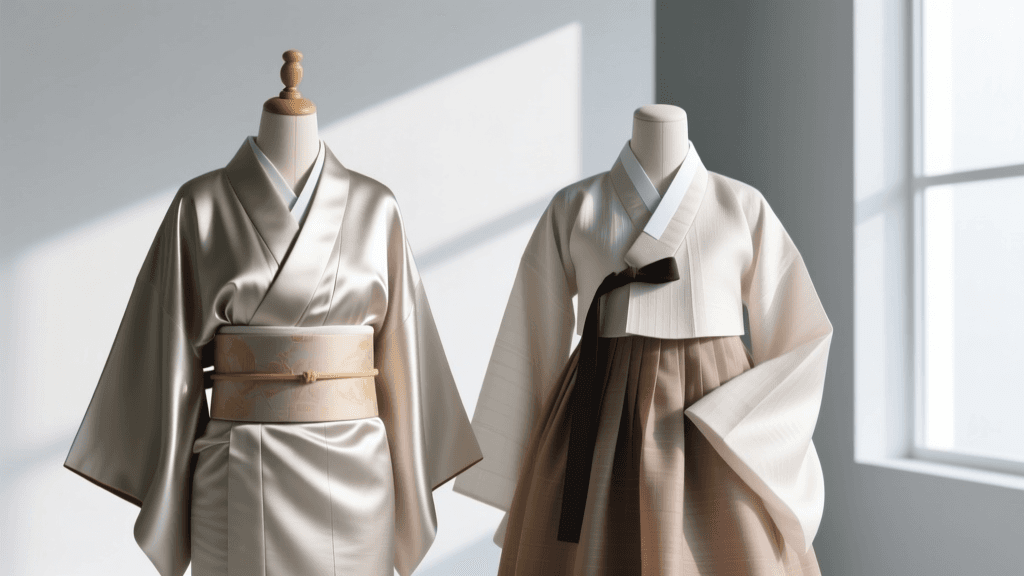
Located in the heart of Tokyo's Shinjuku district, Bunka Fashion College remains Asia's most influential fashion institution. While globally renowned for producing avant-garde designers like Yohji Yamamoto and Kenzo Takada, Bunka's Traditional Garment Design and Kimono Tailoring (Shitate) tracks have seen a massive enrollment spike for the 2026 academic year. The curriculum is a masterclass in bridging heritage and modernity. Students spend their first year mastering the geometry of the kimono, learning how the straight-line cutting method (chokusen-dachi) minimizes fabric waste—a principle that resonates deeply with 2026's zero-waste design standards.
In the second year, the coursework integrates cutting-edge technology with ancestral techniques. Students utilize 3D body scanning to map the precise drape of silk crepe (chirimen) before engaging in hand-stitched tailoring. The 2026 tuition for Bunka's specialized two-year Traditional Garment Diploma program is approximately 1,280,000 JPY (roughly $8,500 USD), which includes access to the college's extensive archive of Edo-period textiles. Graduates from this program are highly sought after by luxury heritage brands in Ginza and international fashion houses looking to incorporate authentic Japanese draping and textile manipulation into their contemporary collections.
The Nishijin-Ori Apprenticeship: Kyoto’s Master-Deshi System
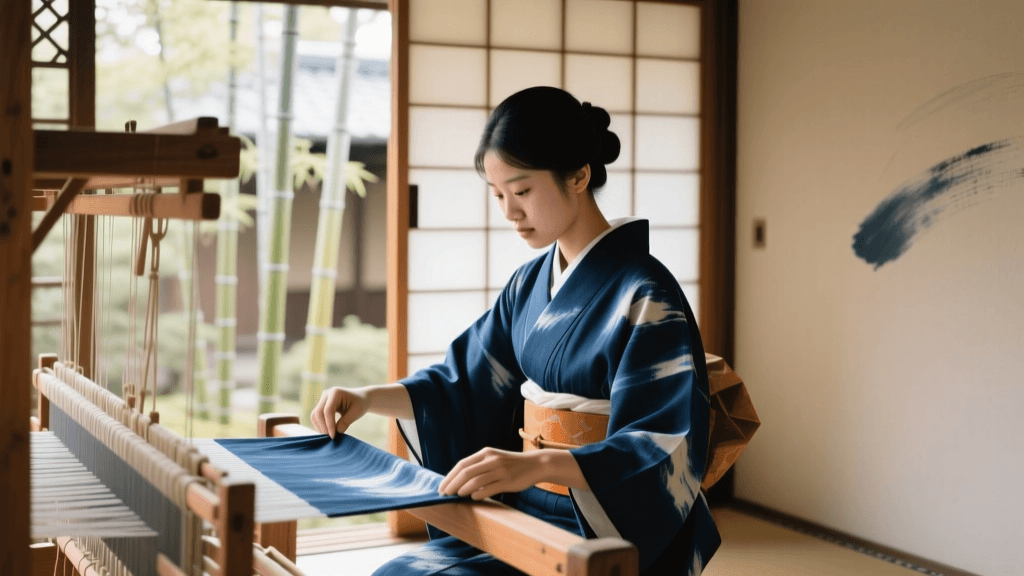
For those seeking absolute mastery over textile creation rather than garment design, the Nishijin-ori weaving apprenticeships in Kyoto represent the pinnacle of traditional education. Nishijin-ori is a highly complex, multi-step brocade weaving technique that involves up to 20 distinct specialized processes, from thread dyeing to the operation of massive jacquard looms. Unlike formal schools, entering this world requires securing a position under a master weaver through the guild system, often facilitated by organizations like the Nishijin Textile Center.
As of 2026, the Kyoto Prefectural Government has introduced the 'Artisan Revival Stipend,' providing apprentices with a monthly living allowance of 180,000 JPY to offset the historically low wages of the early apprenticeship years. The commitment is immense: a traditional deshi (apprentice) must commit to a minimum of three to five years of daily, hands-on training. The first year is rarely spent at the loom; instead, apprentices focus on itome (thread preparation) and the meticulous winding of bobbins, cultivating the patience and tactile sensitivity required to handle fragile gold and silver leaf threads. By year three, apprentices are trusted with the sorabata (traditional hand-operated loom), learning to read the complex punch cards or digital equivalents that dictate the intricate brocade patterns of the obi sash.
Kitsuke and Yuzen Dyeing: Specialized Vocational Paths
Beyond weaving and tailoring, the preservation of Japanese fashion relies heavily on Kitsuke (the art of kimono dressing) and Yuzen (resist dyeing). In 2026, Kitsuke is no longer just a domestic skill; it is a certified vocational art form taught to international cultural ambassadors. Institutions like the Sodo Kimono Academy offer intensive six-month certification courses that teach the physics of fabric tension, the precise folding of the otaiko (obi knot), and the seasonal rules of garment layering. Certification ranges from basic instructor levels to the prestigious Master Licensor degree, which allows graduates to open their own dressing schools globally.
Similarly, Yuzen dyeing workshops in Kyoto and Kanazawa offer intensive vocational training for those fascinated by surface design. Apprentices in a Yuzen studio learn to apply rice paste resist (itome-nori) using specialized metal cones, a skill that requires years of muscle memory to perfect. The Japan Kogei Association frequently highlights these dyeing apprenticeships as critical to maintaining Japan's Intangible Cultural Heritage, noting that 2026 has seen a 15% increase in foreign nationals applying for these specialized dyeing guilds.
2026 Education and Apprenticeship Comparison Chart
| Institution / Path | Primary Focus | Duration | 2026 Estimated Cost / Stipend | Career Outcome |
|---|---|---|---|---|
| Bunka Fashion College | Kimono Tailoring & Modern Design Integration | 2 Years | ~1,280,000 JPY / year (Tuition) | Heritage Brand Designer, Pattern Maker |
| Nishijin-Ori Guild | Brocade Weaving & Textile Production | 3 to 5 Years | 180,000 JPY / month (Stipend) | Master Weaver, Obi Artisan |
| Sodo Kimono Academy | Kitsuke (Kimono Dressing & Styling) | 6 to 12 Months | ~450,000 JPY (Total Certification) | Kitsuke Instructor, Stylist |
| Kanazawa Yuzen Studio | Resist Dyeing & Surface Pattern Design | 2 to 4 Years | 150,000 JPY / month (Stipend) | Textile Dyer, Surface Designer |
Navigating Visas, Language, and Relocation for 2026
For international students aiming to immerse themselves in Japanese traditional garment education, navigating the immigration and linguistic landscape is the first major hurdle. In 2026, the Japanese immigration bureau has streamlined the visa process for cultural preservation, but strict requirements remain.
- The Student Visa (Ryugaku): This is the most straightforward route for those enrolling in accredited institutions like Bunka Fashion College or recognized Kitsuke academies. It allows for part-time work (up to 28 hours a week), which many students utilize in retail or hospitality to supplement their living expenses in expensive cities like Tokyo.
- The Cultural Activities Visa (Bunka Katsudo): This visa is specifically designed for those undertaking unpaid or stipend-based apprenticeships in traditional arts, such as a Nishijin-ori weaving guild or a Yuzen dyeing studio. To qualify, the master artisan or guild must sponsor the applicant, proving that the training is in a recognized traditional craft. Note that this visa strictly prohibits standard part-time employment.
- Language Requirements: While Bunka offers some English-supported modules for its broader fashion tracks, the Traditional Garment and Apprenticeship tracks are conducted entirely in Japanese. A minimum JLPT N3 is required for academic enrollment, but traditional guilds in Kyoto demand JLPT N2 or N1. The nuanced, archaic vocabulary used in weaving and dyeing (such as specific terms for warp tension and dye mordants) requires a high level of linguistic dedication.
- Housing and Relocation: In 2026, Kyoto's housing market remains highly competitive. Many Nishijin guilds assist their accepted apprentices in securing traditional machiya (townhouse) share-houses in the Nishijin district, which not only reduces living costs but immerses the apprentice in the historic textile neighborhood. Budgeting approximately 70,000 to 90,000 JPY per month for rent and utilities in Kyoto is a realistic baseline for incoming students.
The Future of the Kimono on the Global Stage
The year 2026 marks a pivotal era for Japanese fashion education. The rigid boundaries between 'traditional craft' and 'modern fashion' have dissolved, replaced by a holistic approach that respects the ancestral origins of the garment while embracing contemporary sustainability and design innovation. Whether you choose the academic rigor of Bunka Fashion College or the silent, rhythmic discipline of a Kyoto weaving loom, committing to the study of Japanese traditional garments is an investment in the future of global textile heritage. By supporting and participating in these educational pathways, the next generation of designers and artisans ensures that the kimono, the obi, and the intricate arts of Nishijin and Yuzen will continue to drape the world in unparalleled beauty and craftsmanship for centuries to come.