Buying Hanfu: From Traditional Silk Markets to E-Commerce
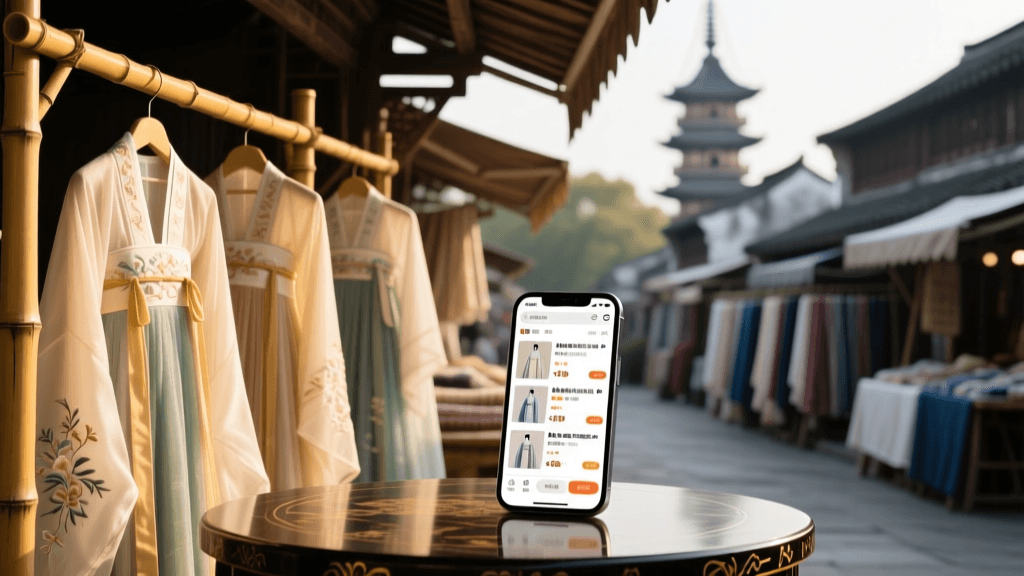
The Hanfu Renaissance: A Shift in Retail
The modern Hanfu movement, or Hanfu Yundong, has transformed traditional Chinese clothing from a niche historical interest into a multi-billion-dollar fashion industry. According to BBC News, millions of young Chinese consumers now embrace these ancient garments for daily wear, festivals, and travel. However, the way enthusiasts source, purchase, and commission these garments has undergone a radical evolution over the last two decades. What once required navigating bustling physical silk markets and negotiating with bespoke tailors can now be accomplished with a few clicks on global e-commerce platforms. This guide explores the transition from traditional markets to digital storefronts, providing actionable advice for modern buyers looking to source authentic Hanfu.
The Traditional Route: Silk Markets and Bespoke Tailors
Before the e-commerce boom, acquiring high-quality traditional garments meant visiting specialized textile markets. In cities like Shanghai, the South Bund Soft Tailoring Material Market, or in Beijing, the historic Muxiyuan textile district, were the primary hubs. The process was highly tactile and time-consuming. A buyer would first select raw fabrics—ranging from raw silk and linen to intricate jacquard brocades—purchased by the chi (Chinese foot, roughly 33.3 cm).
After selecting the textile, the buyer would take the bolt to an in-house tailor. This required a deep understanding of traditional flat-pattern cutting. Unlike Western tailoring, which relies on darts and seams to contour the body, traditional Hanfu relies on straight lines, gussets, and generous fabric draping. The tailor would measure the tongxiu (total sleeve span from wrist to wrist) and the yichang (garment length). The entire process, from fabric sourcing to final fitting, typically took two to four weeks and required significant haggling. While this method guaranteed a bespoke fit and unique fabric choices, it was largely inaccessible to international buyers or those outside major Chinese metropolises.
The E-Commerce Explosion: Taobao and Specialized Brands
The advent of Taobao and Tmall democratized Hanfu, shifting the power from local tailors to specialized digital brands. Historical textile preservation efforts, such as the extensive research and exhibitions provided by the China National Silk Museum, gave digital designers the historical blueprints needed to recreate accurate dynasty-specific patterns. Brands like Shisan Yu, Minghua Tang, and Zhongling emerged, offering ready-to-wear Hanfu based on rigorous historical research.
However, the e-commerce Hanfu market operates on a unique model heavily reliant on 'Pre-sales' (yushou). Because authentic Hanfu requires complex embroidery and specialized weaving (such as Xiangyunsha or Song brocade), brands often open pre-sale windows to gauge demand before manufacturing. Buyers must be prepared to wait anywhere from 15 to 45 days for their garments to ship. Understanding this ecosystem is crucial for anyone looking to build a traditional wardrobe online.
Comparative Guide: Physical Markets vs. E-Commerce
To help you decide which sourcing method aligns with your needs, budget, and timeline, here is a direct comparison of the traditional market approach versus modern e-commerce platforms.
| Feature | Traditional Silk Markets & Tailors | E-Commerce (Taobao / Specialized Brands) |
|---|---|---|
| Base Cost | $100 - $300+ (Fabric + Tailoring labor) | $25 - $200+ (Ready-to-wear tiers) |
| Lead Time | 2 to 4 weeks for custom tailoring | In-stock: 3-7 days; Pre-sale: 15-45 days |
| Customization | 100% bespoke (fabric, fit, trim) | Limited to brand offerings and standard sizes |
| Historical Accuracy | Variable (depends on tailor's expertise) | High (top brands use museum-grade research) |
| Accessibility | Requires physical presence in major Chinese cities | Global access via proxy agents and direct shipping |
Actionable Buyer’s Guide: Sizing, Fabrics, and Pricing
Mastering Traditional Sizing
Buying Hanfu online requires a departure from standard Western sizing (S, M, L). Traditional garments are sized based on specific structural measurements. When ordering a Ruqun (blouse and skirt set) or a Mamianqun (horse-face skirt), you must know your exact measurements in centimeters:
- Waist and Hips: Crucial for Mamianqun, which wrap around and tie. Always measure the natural waist and the widest part of the hips.
- Tongxiu (Sleeve Span): Measured from the center of the back of the neck, over the shoulder, down to the wrist. This determines if you get standard sleeves, or dramatic 'pipa' sleeves that gather at the wrist.
- Skirt Length: Measured from the natural waist to the desired hemline (usually just above the ankle bone for daily wear, or touching the floor for formal ceremonies).
Seasonal Fabric Selection
Authentic Hanfu relies heavily on natural fibers, dictating how the garment behaves in different climates:
- Spring/Autumn: Look for cotton-linen blends, light jacquard weaves, and thin wool. These provide structure without overheating.
- Summer: Xiangyunsha (gambiered Canton gauze) is the gold standard. It is a silk treated with river mud and plant dyes, making it breathable, water-resistant, and naturally cooling. Raw silk and sheer Lu gauze are also excellent choices.
- Winter: Heavy Song brocade, velvet-lined Pifeng (cloaks), and thick woven wool are essential. Many modern brands offer winter Mamianqun lined with fleece or faux fur for contemporary comfort.
Price Tiers and Brand Recommendations
Navigating the pricing structure of Hanfu e-commerce can be daunting. Here is a breakdown of what to expect at different price points:
- Budget ($20 - $50): Ideal for beginners or cosplay. Fabrics are usually polyester blends or basic cotton. Prints are often digitally printed rather than woven. Recommendation: Good for testing silhouettes, but lacks historical drape.
- Mid-Range ($50 - $150): The sweet spot for authentic daily wear. Brands like Shisan Yu and Lanshuizhu offer historically accurate patterns, woven jacquard fabrics, and quality embroidery. Garments in this tier drape beautifully and withstand machine washing (on gentle cycles).
- Luxury ($200 - $1,000+): Reserved for formal events, weddings, or serious collectors. Brands like Minghua Tang utilize intangible cultural heritage techniques, including real gold thread weaving, hand-embroidery, and authentic Xiangyunsha silk. These are investment pieces that often appreciate in value.
Navigating the 'Shan' (Knockoff) Problem Online
One of the biggest challenges in Hanfu e-commerce is the proliferation of Shan (knockoffs). Because Hanfu designs are heavily researched and expensive to produce, unauthorized factories often steal digital patterns and sell them at a fraction of the cost. Buying Shan is heavily frowned upon in the Hanfu community, as it undermines the artisans and researchers who revive the culture.
Actionable Tip: When searching on Taobao or using proxy shopping agents, always look for the brand's official flagship store (qijiandian). Check the product comments for the 'Zheng' (authentic) tag. If a heavily embroidered Ming Dynasty jacket is priced at $15 when the original brand retails it for $120, it is almost certainly a knockoff. Support the original designers to ensure the continued funding of historical garment research.
Conclusion
The journey of Hanfu from the bustling, tactile silk markets of the early 2000s to the algorithm-driven, global e-commerce platforms of today mirrors China's broader digital transformation. While the romanticism of haggling for a bolt of raw silk in Shanghai has been replaced by the convenience of global shipping and proxy agents, the core mission remains the same: a deep, wearable connection to Asian heritage. By understanding traditional sizing, respecting seasonal fabrics, and supporting authentic digital brands, modern consumers can curate a historically respectful and stunning traditional wardrobe from anywhere in the world.