Chinese Wedding Attire Guide: Qungua, Hanfu & Cheongsam
The Cultural Significance of Red and Gold in Chinese Weddings
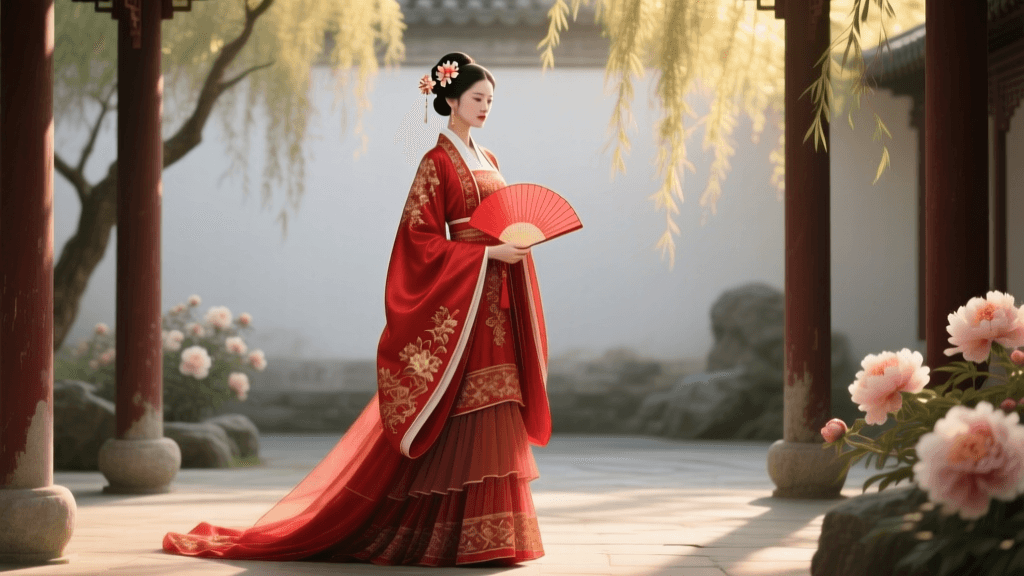
When planning a traditional Chinese wedding, the attire is far more than a fashion statement; it is a profound expression of cultural heritage, familial respect, and auspicious blessings. In Chinese culture, red symbolizes joy, luck, and prosperity, while gold represents wealth and imperial elegance. According to the Victoria and Albert Museum, the evolution of Chinese dress has always been deeply intertwined with social status, ceremonial rites, and symbolic motifs. For modern brides and grooms, navigating the choices between a traditional Qungua, a historically inspired Hanfu, and a sleek Cheongsam requires an understanding of both history and modern tailoring.
This comprehensive guide breaks down the three most prominent styles of Chinese wedding attire, offering actionable advice on measurements, fabric selection, budgeting, and fitting timelines to ensure your ceremonial garments are nothing short of perfect.
The Qungua (Kwa): The Cantonese Masterpiece
The Qungua, often referred to as Kwa in Cantonese, is a two-piece ceremonial jacket and skirt ensemble that originated in the Qing Dynasty and remains the gold standard for traditional Chinese weddings, particularly in Southern China and among diaspora communities. The jacket (Gua) is worn over a pleated, floor-length skirt (Qun).
Understanding Embroidery Density and Grades
The value and formality of a Qungua are determined by its embroidery density—the percentage of the silk base fabric covered by metallic thread embroidery. When shopping or renting, you will encounter specific industry grades:
- Xiao Wu Fu (Small Five Blessings): 30% embroidery density. A budget-friendly option, often used for secondary events or bridesmaids.
- Zhong Wu Fu (Medium Five Blessings): 50% density. A popular choice for rentals, offering a beautiful balance of red silk and gold thread.
- Da Wu Fu (Large Five Blessings): 70% density. Heavy, luxurious, and highly formal.
- Gua Huang (Emperor of Jackets): 100% density. The base fabric is entirely concealed by intricate gold and silver embroidery. This is a bespoke masterpiece that can take over a year to hand-stitch.
Actionable Advice: Purchasing and Fitting a Qungua
Cost: Expect to pay between $1,500 and $4,000 for a high-quality Da Wu Fu. A bespoke Gua Huang can exceed $15,000. Rentals typically range from $300 to $800 for a weekend.
Measurements: The jacket should fall just below the hips, with sleeves ending at the wrist bone to allow for the display of jade bangles and gold bracelets. The skirt must sit at the natural waist, not the hips, and the hem should graze the floor when wearing your ceremonial shoes.
Motifs to Request: Ensure the tailor includes the Dragon and Phoenix (Long Feng) for marital harmony, peonies for wealth, and bats (Fu) for good fortune. Avoid motifs with four claws if you want strict adherence to historical imperial accuracy, though modern designs often prioritize aesthetic symmetry.
Ming Dynasty Hanfu: The Historical Revival
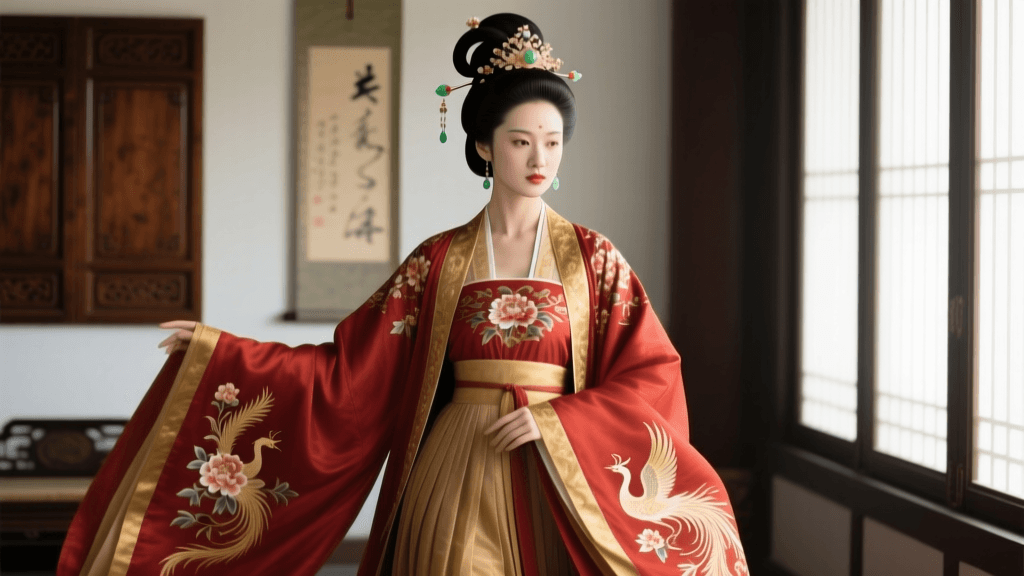
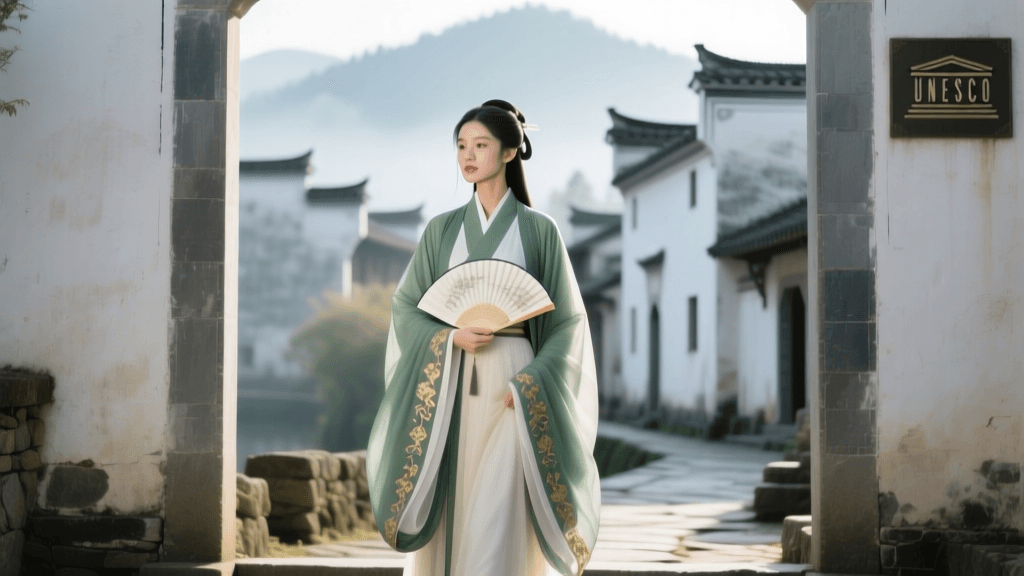
The Hanfu movement has seen a massive resurgence among younger generations seeking to reconnect with pre-Qing Han Chinese heritage. For weddings, the Ming Dynasty style—specifically the Fengguan Xiapei (Phoenix Crown and Rosy Cape) worn by noblewomen—is the most popular and historically appropriate choice for brides.
The Anatomy of a Bridal Hanfu
A Ming-style bridal outfit consists of several layered pieces. The base is the Zhongyi (inner garment), followed by an Ao (cross-collared, long-sleeved top) and a Qun (pleated or horse-face skirt, known as Mamianqun). The ensemble is elevated by the Xiapei, a heavy, embroidered stole draped over the shoulders and secured with a jade or gold clasp, and the elaborate Fengguan headdress adorned with kingfisher feathers (or modern silk alternatives) and pearl drop chains.
Actionable Advice: Sizing and Etiquette
The Collar Rule: As noted by historians and the China Heritage Quarterly, the collar must always cross right-over-left (youren). Left-over-right is strictly reserved for the deceased and is a severe cultural faux pas.
Cost: High-quality silk brocade Hanfu sets cost between $800 and $2,500. Intricate Mamianqun skirts alone can cost $400 due to the complex woven patterns and pleating.
Sleeve Lengths: Traditional Ming sleeves are exceptionally long, designed to cover the hands entirely (pipa sleeves). For practical movement during the tea ceremony, modern tailors often add a hidden inner cuff or pin the sleeves back elegantly.
The Qipao (Cheongsam): Elegance for the Reception
While the Qungua and Hanfu dominate the morning tea ceremonies and traditional rites, the Qipao (or Cheongsam) is the undisputed queen of the evening banquet. Originating in 1920s Shanghai, the Qipao is a form-fitting, one-piece dress that celebrates the silhouette while incorporating traditional Chinese elements like the mandarin collar and asymmetrical frog button closures.
Fabric Selection: Beyond Standard Silk
According to the Metropolitan Museum of Art, Chinese silk weaving boasts centuries of technical mastery. For a wedding Qipao, avoid cheap, shiny polyester satins. Instead, opt for:
- Xiangyunsha (Gambiered Canton Gauze): A rare, mud-dyed silk that is water-resistant, breathable, and features a subtle, earthy sheen. Perfect for outdoor or summer weddings.
- Song Brocade (Songjin): A heavy, matte, intricately woven fabric that holds its structure beautifully, ideal for winter weddings and A-line Qipao cuts.
- Velvet with Soutache Embroidery: Offers a vintage, 1930s Shanghai glamour, perfect for evening receptions.
Actionable Advice: Tailoring the Perfect Fit
Cost: A custom-tailored silk Qipao ranges from $400 to $2,000, depending on the complexity of the hand-embroidery and the artisan's reputation.
Measurements: A true Qipao requires up to 20 distinct measurements, including the hollow-to-hem, shoulder slope, and bust point. Ensure the tailor leaves a 1-inch ease in the bust and waist so you can sit and eat comfortably during the banquet.
Slit Height: The side slits should end no higher than the knee when standing, ensuring modesty when seated. Pair with a silk slip dress in a matching nude or red tone.
Comparison Chart: Choosing Your Ceremonial Garment
| Garment | Best Used For | Est. Purchase Cost (USD) | Lead Time | Weight & Comfort |
|---|---|---|---|---|
| Qungua (Kwa) | Tea Ceremony, Morning Rites | $1,500 - $15,000+ | 6 - 12 Months | Heavy, structured, modest |
| Ming Hanfu | Traditional Vows, Photography | $800 - $2,500 | 3 - 5 Months | Layered, flowing, warm |
| Qipao (Cheongsam) | Evening Banquet, Toasting | $400 - $2,000 | 2 - 4 Months | Form-fitting, lightweight |
Practical Fitting and Purchasing Timeline
To avoid the stress of rushed alterations, follow this actionable timeline for your wedding attire:
- 12 Months Out: Begin researching Qungua artisans. If you desire a Gua Huang or highly customized Da Wu Fu, commission it now. Hand embroidery cannot be rushed.
- 8 Months Out: Order your Ming Dynasty Hanfu. Source authentic Mamianqun skirts from specialized heritage weavers in Hangzhou or Suzhou.
- 5 Months Out: Book your Qipao tailor. Bring your exact wedding shoes to the first fitting to ensure the hollow-to-hem measurement accounts for your heel height.
- 3 Months Out: Purchase accessories. Order your Fengguan headdress, jade bangles, and gold hairpins. Ensure your Qipao frog buttons are hand-knotted, not machine-made.
- 1 Month Out: Final fittings for all garments. Break in your embroidered ceremonial shoes (Xie) by wearing them around the house with thick socks to prevent blisters on the wedding day.
Conclusion
Whether you choose the heavily embroidered grandeur of a Qungua, the historical majesty of a Ming Dynasty Hanfu, or the sleek sophistication of a silk Qipao, your Chinese wedding attire is a wearable heirloom. By understanding the cultural nuances, investing in quality textiles like Xiangyunsha and Song brocade, and adhering to a strict tailoring timeline, you ensure that your ceremonial garments honor your heritage while making you feel radiant on your special day.