Hanfu Tourism: Styling and Shooting for Social Media
The Rise of Hanfu Destination Tourism
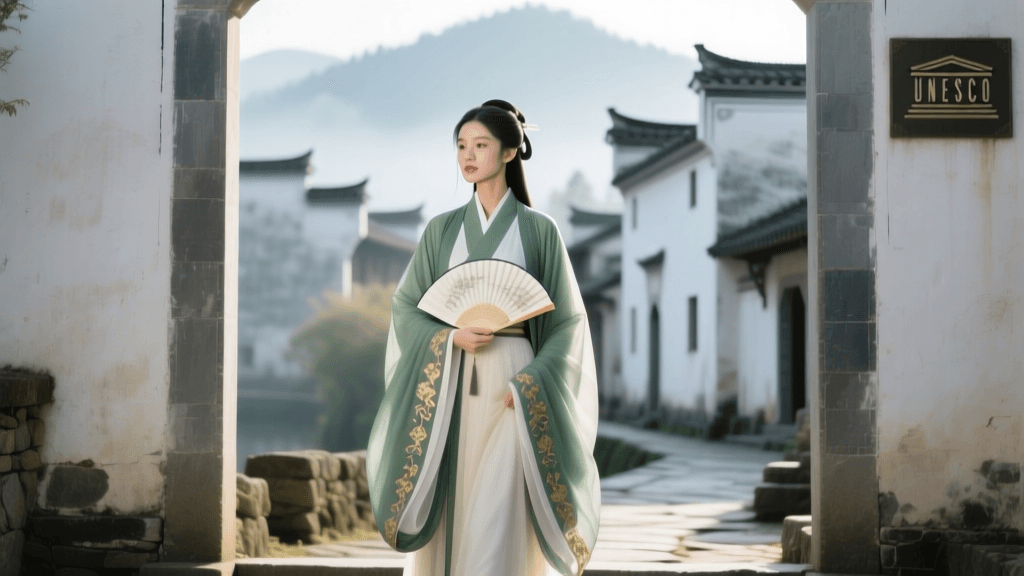
In recent years, the intersection of traditional Chinese clothing and domestic tourism has created a massive cultural phenomenon. What began as a niche subculture has blossomed into a multi-billion-dollar industry, transforming historic cities into open-air studios. For content creators, travel vloggers, and cultural enthusiasts, wearing Hanfu (traditional Han Chinese clothing) is no longer just about historical appreciation; it is a dynamic medium for visual storytelling on platforms like Douyin, TikTok, Instagram, and Xiaohongshu. Cities rich in heritage have actively embraced this trend, offering immersive environments where ancient architecture and traditional garments create breathtaking social media content.
Destinations like the Historic Monuments in Xi'an, including the Giant Wild Goose Pagoda, have become iconic backdrops for Tang Dynasty-inspired aesthetics. However, capturing the perfect Hanfu travel vlog or photo series requires more than just renting a beautiful outfit. It demands a strategic understanding of garment physics, historical context, lighting, and platform-specific choreography. This guide will walk you through the practicalities of planning a Hanfu tourism trip optimized for viral social media content.
Engineering the Perfect Outfit for Video and Movement
When shooting video content, the physical properties of your Hanfu are just as important as their historical accuracy. Social media algorithms favor dynamic movement, and traditional Chinese garments are uniquely engineered to capture the wind and emphasize human motion.
The Physics of the Skirt Hem
If you are planning to shoot transition videos or slow-motion spins, the circumference of your skirt hem is critical. A standard everyday Mamianqun (horse-face skirt) typically features a 3-meter to 4.5-meter hem. While practical for walking, it will not create the spectacular 'blooming' effect desired for video. For social media shoots, you must specifically request a Liu Mi Bai (6-meter hem) skirt. When spun, a 6-meter hem creates a perfect, sweeping circle that fills the frame and catches the light beautifully.
Fabric Selection: Authentic Silk vs. Travel Blends
Authentic silk is a masterpiece of textile engineering, a craft so vital to Chinese history that it is recognized on UNESCO's Intangible Cultural Heritage list. Silk drapes elegantly and possesses a natural luster that looks incredible on camera. However, pure silk wrinkles instantly, snags easily on ancient wooden railings, and shows sweat under hot studio or summer sun lights. For a grueling 12-hour travel shoot, high-quality polyester jacquard or heavy chiffon blends are highly recommended. These modern textiles mimic the visual weight and sheen of silk while offering the durability, wrinkle-resistance, and wind-catching stiffness required for dynamic outdoor videography.
Sleeve Choreography
To execute the viral 'sleeve toss' transition, opt for a Daxiushan (large-sleeve outer robe) or a Qixiong Ruqun with extended sleeve cuffs. The extra fabric acts as a visual trail, allowing you to create seamless masking transitions where the sleeve covers the camera lens, enabling a smooth cut to a new location or time of day.
Top Hanfu Tourism Destinations and Styling Matrix
Choosing the right garment for the right location is essential for historical coherence and visual impact. Below is a strategic matrix for planning your Hanfu tourism content across China's premier heritage sites.
| Destination | Historical Era Focus | Recommended Garment Style | Avg. Rental Cost (RMB) | Best Shooting Time |
|---|---|---|---|---|
| Xi'an (Datang Everbright City) | Tang Dynasty | Qixiong Ruqun (Chest-high skirt), Daxiushan, bold makeup with Huadian (forehead decals). | 250 - 400 | Blue Hour (Post-sunset) for lantern lighting. |
| Hangzhou (West Lake) | Song Dynasty | Beizi (Long outer jacket), Baidi Qun (Pleated skirt), minimalist pearl makeup. Perfect for the serene West Lake Cultural Landscape. | 150 - 300 | Early Morning (6:00 AM) to avoid crowds and catch mist. |
| Luoyang (Longmen Grottoes) | Wei/Jin & Tang | Jiaoling Ruqun (Cross-collar), wide sleeves, ethereal and flowing fabrics for a mystical, martial arts aesthetic. | 199 - 350 | Golden Hour (Late afternoon) for warm stone contrasts. |
| Nanjing (Ming Xiaoling Mausoleum) | Ming Dynasty | Mamianqun (Horse-face skirt), Pifeng (Cape), Aoku (Jacket). Rich, heavy brocades and structured silhouettes. | 200 - 380 | Mid-Morning (Autumn) for golden ginkgo leaf contrasts. |
Mastering the Hanfu Social Media Shoot
Creating viral content requires blending traditional aesthetics with modern cinematography techniques. Here is how to optimize your shoot for maximum engagement.
Camera Settings and Framing
Shoot all movement-based sequences in 4K at 60fps or 120fps. This allows you to slow down the footage in post-production, emphasizing the fluid drape of the silk and the intricate details of the embroidery. Use a 35mm or 50mm prime lens for environmental portraits; this focal length compresses the background slightly, allowing the sweeping eaves of traditional pavilions to frame the subject without overwhelming the garment's details.
Signature Transitions and Choreography
- The Fan Reveal: Start with the camera focused on a beautifully painted folding fan or round silk fan (Tuanshan). Slowly lower the fan while stepping forward into the light, revealing a full Tang Dynasty makeup look. This is a staple on Douyin and performs exceptionally well on Instagram Reels.
- The Skirt Bloom: Place the camera low to the ground on a gimbal. Spin rapidly in a 6-meter Mamianqun. The low angle makes the pleats look like an expanding flower, creating a mesmerizing visual loop.
- The Sleeve Mask: Flick your long sleeve directly over the camera lens to create a natural wipe transition. Cut to the next clip starting with the sleeve pulling away from the lens in a completely different location (e.g., transitioning from a bustling modern street to a quiet ancient temple courtyard).
Audio and Platform Optimization
Audio is 50% of the viral equation. On Douyin and TikTok, utilize trending Gufeng (ancient style) music, which blends traditional instruments like the Guzheng and Erhu with modern electronic beats. For Instagram, opt for cinematic, orchestral scores and focus on color grading. Emphasize the rich reds, golds, and jade greens inherent in Hanfu textiles by slightly boosting the HSL (Hue, Saturation, Luminance) values of those specific colors in your editing software.
Logistics: Navigating Rentals, Makeup, and Transit
The practical realities of a Hanfu tourism trip can make or break your shooting schedule. Most major tourist hubs are surrounded by Hanfu Tiyan Guan (Hanfu Experience Halls). These are one-stop shops offering garment rental, hair styling, and makeup application.
Booking and Pricing
A standard package including a premium garment set, intricate historical hair styling (Zaoxing), and full makeup ranges from 198 RMB to 399 RMB ($28 to $55 USD). Always book your appointment for 7:00 AM. This ensures you are styled and ready to shoot by 8:30 AM, allowing you to capture the best morning light and beat the massive crowds that descend upon places like Xi'an's City Wall by 10:00 AM.
The Footwear Challenge
Traditional Yuntou (cloud-toed shoes) or embroidered cloth boots complete the historical silhouette, but they offer zero arch support and have slippery leather soles. When navigating the uneven cobblestones of ancient towns or the steep stone steps of mountain temples, these shoes become a hazard. Pro Tip: Wear modern, comfortable sneakers while walking between locations, carrying your embroidered shoes in a tote bag. Only slip them on when the camera is rolling. Additionally, pack moleskin blister pads and a portable, battery-operated garment steamer. A wrinkled Mamianqun will ruin the structural lines of your video, and a quick 5-minute steam between locations will keep your content looking couture.
Conclusion
Hanfu destination tourism is a profound way to engage with Asian traditions, blending historical reverence with modern digital expression. By understanding the mechanical nuances of traditional garments, selecting era-appropriate aesthetics for specific UNESCO heritage sites, and employing strategic cinematography, you can elevate your travel content from simple vacation photos to captivating cultural narratives. Whether you are spinning a 6-meter skirt in Luoyang or capturing the quiet elegance of Song Dynasty silk in Hangzhou, the key lies in respecting the history of the garment while embracing the dynamic possibilities of the digital age.