Chinese Couture on Global Runways: Styling Haute Tradition
The Shift from Orientalism to Authentic Couture
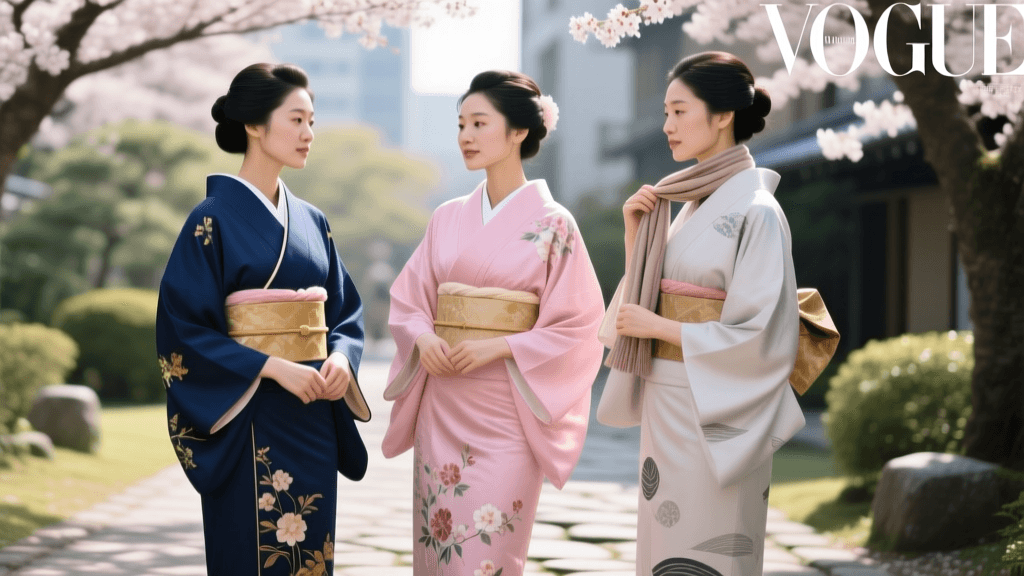
For much of the 20th century, Western fashion’s interpretation of Chinese dress was heavily filtered through the lens of Orientalism. Motifs were often reduced to caricatures, and traditional silhouettes were distorted to fit European corsetry. However, the landscape of international haute couture has undergone a radical transformation. A pivotal moment in this evolution was the Metropolitan Museum of Art’s landmark 2015 exhibition, "China: Through the Looking Glass", which meticulously examined the impact of Chinese aesthetics on global fashion. This exhibition helped pivot the industry from superficial appropriation toward a deep, structural appreciation of Chinese sartorial history.
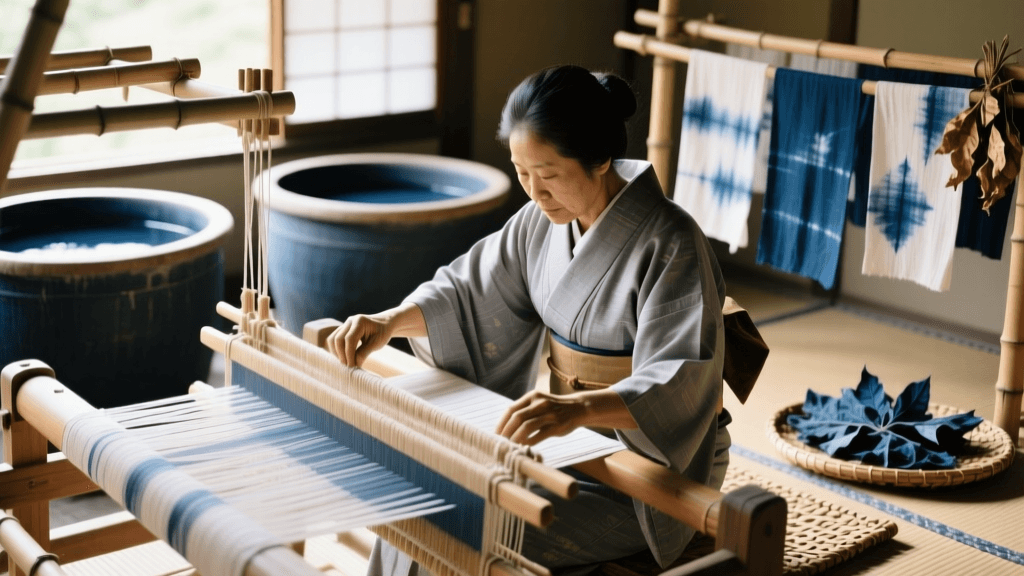
Today, international runway designers and elite Chinese couturiers—most notably Guo Pei, the first Chinese designer invited to join Paris’s prestigious Chambre Syndicale de la Haute Couture—are collaborating with master artisans in Suzhou and Hangzhou. They are bringing authentic techniques like Kesi (cut silk tapestry) and traditional Ming dynasty pleating to the global stage, treating these garments not as costumes, but as masterworks of textile engineering.
Deconstructing Runway Chinese Elements
The Mamianqun (Horse-Face Skirt)
The Mamianqun has become a darling of both street-style photographers and high-fashion runways. Originating in the Song and Ming dynasties, this skirt is constructed from two overlapping panels of fabric featuring flat, unpressed pleats on the sides and smooth, unpleated "horse-face" panels at the front and back. Unlike Western circle skirts that rely on gathering at the waistband, the Mamianqun relies on precise geometric folding and overlapping to create volume and movement. When international luxury houses attempt to replicate this, they often fail by using standard gathering; true couture versions maintain the traditional flat-pleat structure, utilizing heavy silk brocades that weigh between 400 to 600 grams per meter to ensure the pleats swing dynamically without losing their shape.
Su Embroidery and Kesi Silk
High-end Chinese couture on the Paris runways frequently showcases Suzhou embroidery (Su Xiu) and Kesi silk. As detailed in the Metropolitan Museum of Art’s Heilbrunn Timeline of Art History, Chinese silk weaving techniques have influenced global trade and textile design for millennia. Kesi, meaning "cut silk," is a tapestry weave where the weft threads are discontinuous, creating intricate, unbacked patterns that look identical on both sides. In modern couture, Kesi is often used for structured bodices and corsetry, providing a rigid yet breathable foundation that replaces traditional European boning. A single Kesi bodice can take up to 1,500 hours to weave, making it one of the most expensive textiles in the luxury market.
The Avant-Garde Qipao
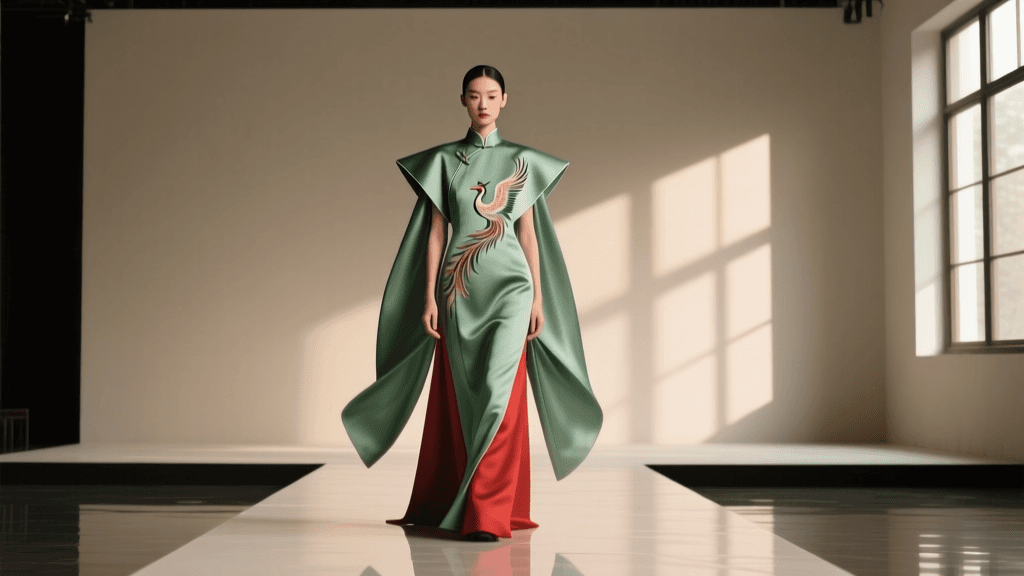
The Qipao (or Cheongsam) has transcended its 1930s Shanghai socialite origins. On contemporary runways, designers are deconstructing the Qipao’s iconic high collar and asymmetrical placket. We now see exaggerated, architectural mandarin collars crafted from stiffened organza, and side slits that extend to the waist, revealing layered silk organza petticoats beneath. The traditional frog buttons (pankou) are being reimagined using carved nephrite jade, 18k gold wire, and even 3D-printed titanium, merging ancient fastening techniques with futuristic materials.
Sourcing and Investing: A Buyer’s Guide
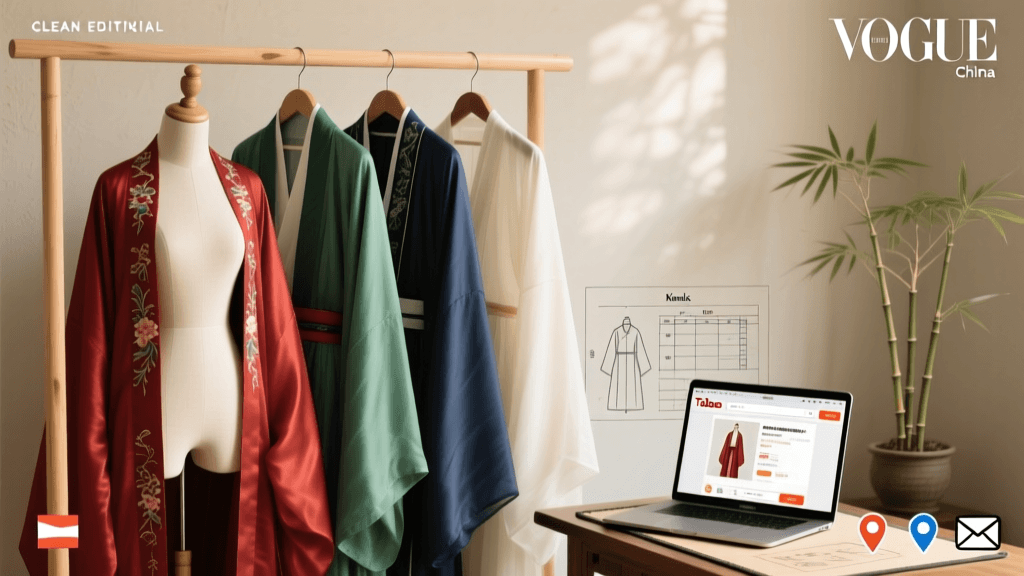
For collectors and fashion connoisseurs looking to invest in Chinese-inspired couture or high-end ready-to-wear, understanding the sourcing landscape is critical. Commissioning a bespoke piece requires specific knowledge of traditional measurements, which differ vastly from Western tailoring.
Essential Measurements for Bespoke Chinese Garments
- Hollow-to-Hem: Crucial for the Mamianqun. Measure from the hollow of the collarbone to the desired hemline, traditionally resting 2 inches above the ankle bone to accommodate flat embroidered shoes.
- Natural Waist vs. Drop Waist: Traditional Ming skirts sit on the natural waist (the narrowest part of the torso), whereas 1930s Qipaos often feature a drop-waist or hip-level seam. Specify your preferred historical era when commissioning.
- Shoulder Slope and Armhole Depth: Traditional Chinese garments utilize a flat, T-shaped cutting method with no shoulder seams. If you are commissioning a modern hybrid piece, request a "dropped shoulder with a gusset" to allow for arm mobility without tearing the delicate silk brocade.
Cost Expectations and Timelines
Investing in this tier of fashion requires patience and significant capital. A bespoke Mamianqun utilizing authentic Xiangyunsha (gambiered Cantonese silk) will typically cost between $2,500 and $5,000, with a lead time of 3 to 6 months due to the weather-dependent dyeing process, which can only occur during the humid summer months in Guangdong. Full haute couture gowns featuring hand-woven Kesi and Su embroidery start at $45,000 and can exceed $150,000, requiring multiple fittings over a 12-month period.
Comparison Chart: Sourcing Tiers for Chinese-Inspired Fashion
| Tier | Example Designers / Brands | Price Range (USD) | Lead Time | Best Use Case |
|---|---|---|---|---|
| Haute Couture | Guo Pei, Dior (Custom), Chanel (Métiers d'Art) | $45,000 - $200,000+ | 9 - 18 Months | Red carpets, museum archives, elite galas. |
| Luxury Ready-to-Wear | Shanghai Tang, Prada (Special Collections), Loewe | $2,500 - $12,000 | 1 - 3 Months (or In-Stock) | High-profile events, luxury daily wear, collector pieces. |
| Contemporary Indie | Samuel Guì Yang, Ming Ma, Yuhan Wang | $800 - $3,500 | Immediate - 2 Months | Fashion week street style, editorial shoots, modern wardrobe integration. |
| Bespoke Artisan | Suzhou Heritage Workshops, Independent Qipao Masters | $1,500 - $6,000 | 3 - 6 Months | Authentic cultural garments, weddings, traditional ceremonies. |
Practical Styling: Integrating Couture into the Modern Wardrobe
The true mark of a successful couture garment is its versatility. Integrating traditional Chinese elements into a contemporary, international wardrobe requires a careful balance of proportion and texture.
Styling the Mamianqun
Pair a heavy, dark-toned Song brocade Mamianqun with a sharply tailored, oversized Western blazer. The structured, masculine shoulders of the blazer contrast beautifully with the fluid, architectural pleats of the skirt. Keep the upper half minimal—a simple silk camisole or a fine-gauge turtleneck works best. For footwear, avoid delicate stilettos, which clash with the skirt's historical weight; instead, opt for chunky leather loafers or modern, square-toed ankle boots with a block heel.
Accessorizing with Jade and Metals
Jade has been central to Chinese adornment for over 7,000 years. When styling couture pieces, avoid overly ornate, traditional jade carvings that can look costumey. Instead, seek out contemporary jewelers who set high-quality, translucent Type A jadeite or muted nephrite into minimalist 18k yellow gold or platinum bezels. A single, geometric jade pendant worn over a high-necked Qipao or a modern silk blouse adds a touch of heritage without overwhelming the silhouette.
The Power of Xiangyunsha Silk
Xiangyunsha, or "fragrant cloud silk," is a unique Cantonese textile dyed with yam juice and coated in river mud, resulting in a dark, crinkled, leather-like finish on one side and a matte terracotta on the outer. It is highly prized in luxury circles for its durability and unique texture. A Xiangyunsha trench coat or wide-leg trouser is the ultimate East-meets-West statement piece. Because the fabric has a natural, rustic sheen, pair it with matte accessories—suede bags, unpolished horn buttons, and brushed metal hardware—to let the textile’s complex history take center stage.
"The future of global fashion does not lie in the mere copying of Eastern motifs, but in the profound understanding of the structural and philosophical foundations of Asian dress. When a Parisian atelier understands the geometry of a Ming pleat, true cultural exchange occurs."
Conclusion
Chinese fashion on the international runway has matured from a source of exotic inspiration to a respected, foundational pillar of global haute couture. By understanding the historical context of the Mamianqun, the meticulous engineering of Kesi silk, and the precise tailoring required for these garments, collectors and fashion enthusiasts can make informed, respectful investments. As the boundaries between Eastern heritage and Western avant-garde continue to dissolve, the most exciting fashion of the next decade will undoubtedly be rooted in this rich, cross-cultural sartorial dialogue.