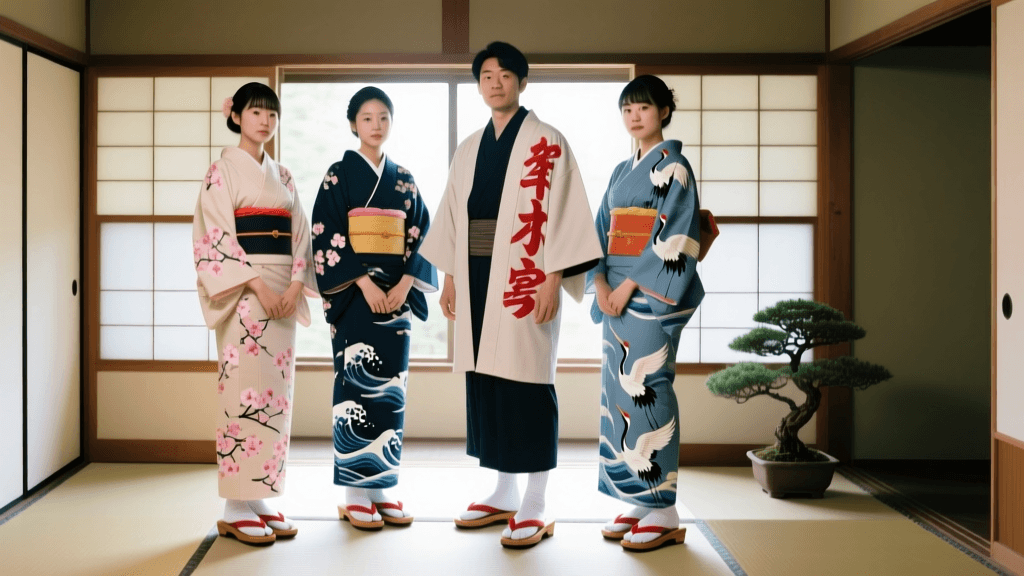
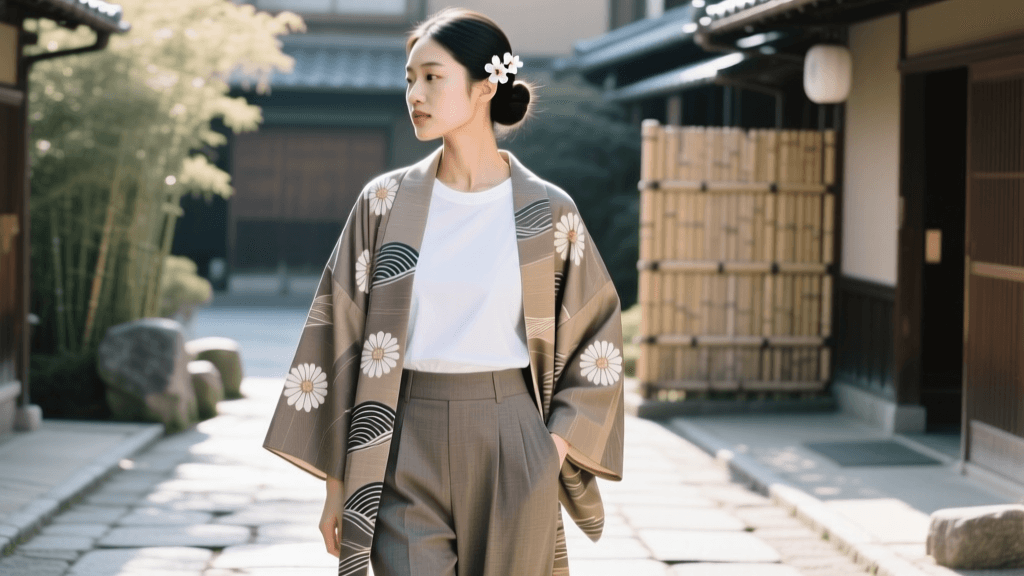
From Heian to Edo: Evolution of Japanese Dynasty Fashion
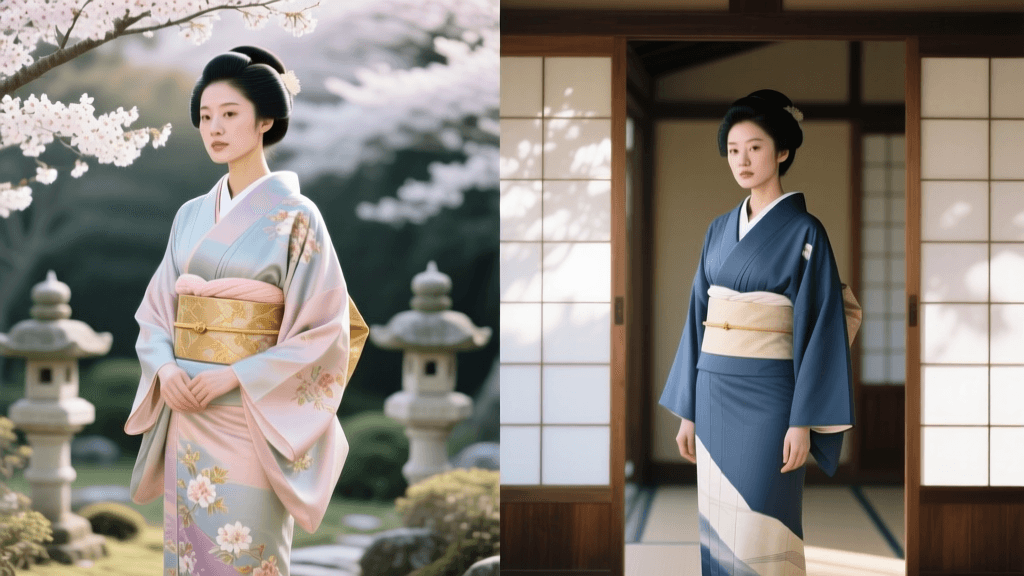
The Tapestry of Time: Japanese Dynasty Fashion
The evolution of Japanese traditional garments is a profound reflection of the nation's shifting political landscapes, social hierarchies, and aesthetic philosophies. For collectors, historians, and enthusiasts of Asian traditions, understanding the transition from the insular, courtly elegance of the Heian period to the vibrant, merchant-driven culture of the Edo period is essential. This sartorial journey not only highlights the technical mastery of Japanese textile artisans but also offers a blueprint for acquiring, sizing, and preserving historical garments today.
The Heian Period (794–1185): The Junihitoe and Courtly Layers
During the Heian period, the imperial court in Kyoto cultivated a highly refined, insular culture where aesthetics and poetry reigned supreme. The pinnacle of this era's fashion was the junihitoe, a complex, multi-layered ensemble worn by high-ranking court women. While the name translates to "twelve-layer robe," the actual number of layers could vary, often weighing up to 20 kilograms (44 pounds).
The true artistry of the Heian period lay in kasane no irome—the meticulous layering of colors to reflect the changing seasons, natural phenomena, and the wearer's rank. For example, a spring ensemble might feature a plum blossom combination (kobai), layering deep crimson over pale pink and white. The outermost layers included the karaginu (a short, stiff jacket) and the mo (a long, pleated train). Because the Heian court was deeply secluded, fashion was an intimate language understood only by the elite, with sleeve edges and hems peeking out from behind bamboo blinds (misu) to convey the wearer's taste and emotional state.
The Edo Period (1603–1867): The Kosode and the Birth of Modern Kimono
Fast forward to the Edo period, a time of prolonged peace and strict social stratification under the Tokugawa shogunate. The kosode—which literally means "small sleeves" and was once a humble undergarment during the Heian era—emerged as the primary outer garment for both men and women across all social classes. According to the Metropolitan Museum of Art, the kosode's transformation from undergarment to canvas of personal expression marks the genesis of the modern kimono.
The Edo period also saw the rise of the merchant class (chonin), who, despite holding the lowest social rank, accumulated vast wealth. When the shogunate enacted strict sumptuary laws forbidding commoners from wearing ostentatious silks or bright colors, the merchants developed the aesthetic of iki (subtle, understated elegance) and shibui (quiet refinement). They bypassed restrictions by lining plain, dark outer garments with outrageously expensive, brightly dyed silks. This era also birthed the Yuzen resist-dyeing technique, allowing for painterly, pictorial designs that turned the kosode into a wearable masterpiece. Furthermore, the obi evolved from a thin, functional cord into a wide, highly decorative sash tied in elaborate knots at the back.
Comparative Analysis: Heian vs. Edo Garment Structures
Understanding the structural differences between these two dynastic eras is crucial for historians and collectors. Below is a comparative breakdown of their defining characteristics.
| Feature | Heian Junihitoe | Edo Kosode |
|---|---|---|
| Primary Wearer | Imperial Court Women | Commoners, Samurai, and Merchants |
| Layering | 5 to 20+ layered robes | Single primary outer robe with under-robe (nagajuban) |
| Fastening Method | Tied with thin, functional cords at the front | Secured by a wide, decorative obi sash |
| Sleeve Style | Extremely wide, open, and trailing | Narrower wrist openings (kosode), varying depths |
| Modern Reproduction Cost | $10,000 - $25,000+ (Custom ceremonial) | $2,000 - $8,000 (High-end Nishijin-ori/Yuzen) |
Practical Guide: Acquiring Historical and Reproduction Garments
For collectors and practitioners of traditional Japanese arts, acquiring Edo-period-style kosode or museum-grade reproductions requires specific knowledge of sizing, sourcing, and archival care. The Victoria and Albert Museum emphasizes that historical textiles require stringent environmental controls to prevent the degradation of organic silk fibers and natural dyes.
Sizing and Measurements
Unlike Western clothing, kimono are not sized by chest or waist, but by height and arm span. When purchasing vintage or reproduction kosode, you must understand three critical measurements:
- Mitake (Back Length): Measured from the base of the neck to the ankle. For a proper historical drape, the mitake should be roughly equal to your height minus 10-15 cm, allowing for the ohashori (the waist fold).
- Yuki (Sleeve Span): Measured from the center of the back of the neck, across the shoulder, and down to the wrist bone. Standard modern yuki is 64-68 cm. However, authentic Edo-period antiques often feature a shorter yuki (60-62 cm) due to the shorter average stature of the era.
- Tanmono Width: Traditional garments are constructed from bolts of fabric (tanmono) that are exactly 36 cm (14.2 inches) wide. If your hip measurement exceeds 100 cm, a standard historical kosode will not wrap comfortably without custom panel inserts.
Costs and Sourcing
The market for Japanese dynasty fashion varies wildly based on provenance and condition:
- Antique Edo Kosode (Pre-1868): True Edo-period garments are incredibly fragile and often feature metallic threads that oxidize over time. Expect to pay between $800 and $3,500 from specialized auction houses in Kyoto or Tokyo. These are best suited for archival display rather than active wear.
- Modern Museum-Grade Reproductions: For wearable luxury, seek out modern artisans utilizing traditional Nishijin-ori (brocade weaving) or Kaga Yuzen dyeing. A custom-commissioned reproduction kosode with a hand-woven maru obi will cost between $5,000 and $15,000 and take 6 to 12 months to complete.
- Vintage Taisho/Showa Era (1912-1989): For a more accessible entry point that mimics Edo aesthetics, vintage mid-20th-century kimono range from $150 to $600 and are structurally sound for wearing.
Timing and Archival Care
Timing your purchase: The best time to acquire high-quality antique textiles in Japan is during the Obon festival in mid-August and the end-of-year (shogatsu) clearances. During these periods, major estate liquidations and temple auctions release rare, well-preserved kosode into the market.
Archival Care: Never store historical silk in plastic, which traps moisture and causes mold. Instead, wrap the garment in acid-free tatoushi paper. Store the bundle in a drawer made of untreated paulownia wood (kiri), which naturally regulates humidity and repels insects. Air the garments out in a shaded, well-ventilated room twice a year—traditionally during the dry autumn months of October and November—to prevent crease degradation.
Conclusion
From the hidden, layered poetry of the Heian junihitoe to the bold, expressive canvases of the Edo kosode, Japanese dynasty fashion is a testament to the resilience and adaptability of textile arts. By understanding the historical context, structural nuances, and precise care requirements of these garments, modern collectors and enthusiasts can serve as vital custodians of Asia's rich sartorial heritage. Whether you are investing in a fragile Edo antique or commissioning a modern Nishijin-ori masterpiece, you are participating in a continuous, living tradition that bridges centuries of Japanese history.
For further research on historical textile preservation and regional weaving techniques, consult the archives of the Kyoto National Museum, which houses one of the world's most comprehensive collections of Japanese dynastic garments and dyeing stencils.