Japanese Festival Attire: Dressing for Summer Matsuri Events
The Cultural Heartbeat of Matsuri and Bon Odori
Japanese summer festivals, known as matsuri, and the traditional Bon Odori dances are some of the most vibrant cultural events in the world. From the massive Gion Matsuri in Kyoto to the energetic Awa Odori in Tokushima, these events are not just about food stalls and portable shrines; they are a living showcase of traditional Japanese festival attire. Dressing appropriately for these events enhances the experience, allowing participants to blend seamlessly into the rhythmic, joyous atmosphere. According to the Japan National Tourism Organization, participating in local festivals is one of the top cultural experiences for visitors, and wearing the correct garments shows a deep respect for local customs and regional heritage.
The Yukata: Summer Elegance and Practicality
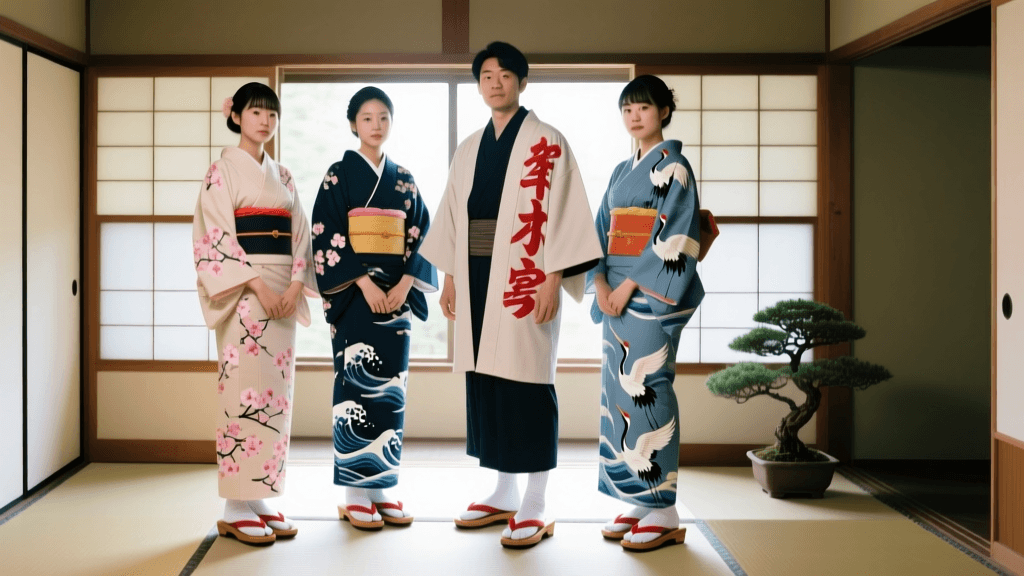
While the formal kimono is reserved for weddings and tea ceremonies, the yukata is the undisputed king of summer festivals. Originally developed as a lightweight cotton bathing robe for the nobility during the Heian period, the yukata evolved into everyday summer wear during the Edo period. Today, it is the standard garment for attending fireworks displays (hanabi taikai) and Bon Odori dances. The Metropolitan Museum of Art notes that the simplification of the kimono into the unlined cotton yukata was a direct response to the humid summers and the rise of public bathhouses in urban Japan.
Sizing and Measurements
Unlike Western clothing, yukata sizing is relatively forgiving but relies on specific vertical measurements rather than standard small, medium, or large designations. The two most critical measurements are Mitake (garment length from shoulder to hem) and Yuki (sleeve length measured from the center of the back neck to the wrist).
- Standard Women's Yukata: Typically has a Mitake of 130 to 135 cm and a Yuki of 64 to 68 cm. This comfortably fits heights between 150 cm and 165 cm.
- Standard Men's Yukata: Typically has a Mitake of 140 to 150 cm and a Yuki of 70 to 75 cm, fitting heights between 165 cm and 180 cm.
- Adjustment Technique: Excess fabric at the waist is folded over the obi (sash) for women, creating the elegant ohashori tuck. Men tie their obi lower on the hips, requiring less excess fabric and a more streamlined silhouette.
Fabric Choices and Costs
For festival performance and dancing, breathability is paramount. Avoid polyester blends if you plan to dance Bon Odori in July or August, as synthetic fibers trap heat and restrict movement. Look for 100% combed cotton (men) or cotton-linen blends (asa). A high-quality, authentic yukata set (including the garment, obi, and obi-jime cord) typically costs between $80 and $150 USD. Budget sets made of synthetic materials can be found for $30 to $50 USD, but they are highly discouraged for active festival participation.
The Happi Coat: The Energetic Spirit of the Festival
If the yukata represents elegance, the happi coat represents raw, communal energy. The happi is a short, loose-fitting jacket with wide sleeves, traditionally bearing the crest (mon) or kanji of a local shrine, neighborhood association, or festival guild. During festivals involving the carrying of the mikoshi (portable shrine) or the playing of massive taiko drums, the happi is the mandatory uniform.
According to Japan Guide, while the happi was historically worn by house servants and laborers, it is now exclusively associated with festival labor and celebration. When styling a happi for a festival, it is traditionally worn open over a bare chest for men, or over a lightweight white t-shirt or hadajuban (traditional undershirt). Women often wear it over a tank top or a casual yukata. Pair the happi with tobi (baggy trousers) or simple cotton shorts, and tie a tenugui (hand towel) around the head to absorb sweat during strenuous performances.
Footwear and Accessories: Navigating the Festival Grounds
Proper footwear is critical for festival survival. Festival grounds are often crowded, dusty, or paved with uneven stone. Traditional wooden clogs (geta) look stunning with a yukata but can cause severe blisters if you are walking for more than three hours or dancing vigorously.
| Footwear Type | Material | Comfort Level | Avg. Cost (USD) | Best Festival Use |
|---|---|---|---|---|
| Geta | Wood / Fabric | Low (requires breaking in) | $30 - $80 | Strolling, photo ops, short durations |
| Zori | Vinyl / Straw | Medium | $20 - $60 | General walking, casual dancing |
| Tabi Sneakers | Cotton / Rubber | High | $40 - $90 | Bon Odori dancing, mikoshi carrying |
| Modern Sandals | EVA / Rubber | High | $15 - $30 | Long-distance walking, crowded streets |
Pro Tip: If you must wear geta for authenticity, purchase hanao (thongs) made of soft velvet rather than stiff vinyl, and apply blister tape to the webbing of your toes before the festival begins. For active participation like Bon Odori, split-toe jika-tabi (tabi shoes with rubber soles) are the preferred choice among professional dancers and shrine bearers due to their superior grip and arch support.
Essential Accessories and Historical Context
No festival outfit is complete without practical accessories. A kinchaku (drawstring bag) is essential for carrying your phone and wallet, as yukata lack deep pockets. An uchiwa (flat paper fan) is both a stylish prop and a necessary tool for surviving the humid Japanese summer. Finally, the obi knot dictates the formality of your outfit. For women, the bunko musubi (butterfly knot) is the standard for festivals. For men, the kai-no-kuchi (clam shell knot) is flat, comfortable, and traditional.
For those interested in the historical lineage of these garments, it is fascinating to note how Edo period sumptuary laws influenced the subtle, intricate dyeing techniques seen on high-end yukata today. Indigo dyeing (aizome) remains a highly sought-after craft, providing not only a beautiful, deep blue hue but also natural insect-repellent properties that were invaluable during humid summer nights spent dancing outdoors.
Actionable Buying Guide and Timing
If you plan to attend a major summer festival like the Gion Matsuri in July or Nebuta Matsuri in August, timing your purchase is crucial. Department stores in Japan begin stocking summer yukata in early May. By late June, popular sizes and modern, trendy patterns are often sold out. If you are purchasing outside of Japan, order from specialized online retailers by early May to account for international shipping and potential tailoring adjustments.
When buying online, verify the Yuki measurement carefully. A sleeve that is too long will interfere with eating street food and dancing, while a sleeve that is too short will expose the wrists, breaking the traditional aesthetic. Always budget an additional $20 to $40 for a pre-tied obi (tsuke obi) if you are a beginner; tying a traditional obi from scratch requires significant practice and can easily unravel during a lively dance.
Furthermore, consider the environmental impact of your purchase. Many traditional Japanese dye houses now utilize sustainable, organic indigo and natural fibers. Supporting these artisan cooperatives not only ensures you receive a garment of superior breathability and durability but also helps preserve centuries-old dyeing techniques that are at risk of fading in the era of fast fashion. Look for certifications or artisan stamps (shokunin) when browsing high-end festival apparel.
Conclusion
Dressing for a Japanese summer festival is an exercise in balancing historical aesthetics with modern practicality. Whether you choose the flowing elegance of a cotton yukata or the spirited, communal energy of a happi coat, understanding the measurements, materials, and footwear options will ensure you remain comfortable and respectful. By preparing your attire well in advance and prioritizing breathable fabrics and supportive footwear, you can fully immerse yourself in the magic of the matsuri and honor the rich traditions of Japanese performance wear.