The Hanfu Revival Movement: A Beginner's Sourcing Guide
The Roots of the Hanfu Revival Movement
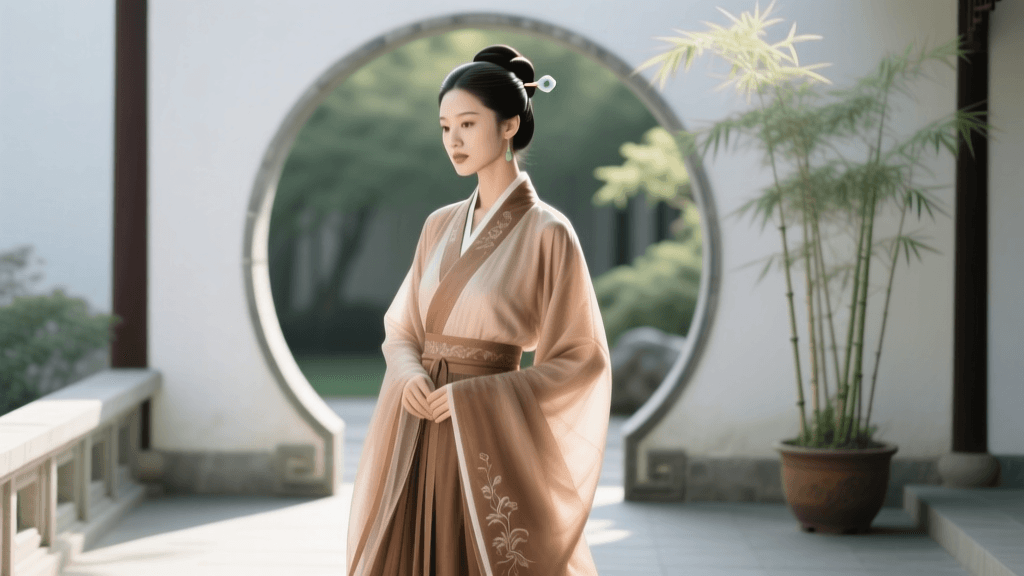
The Hanfu revival movement, known in Chinese as Hanfu Yundong, is one of the most fascinating cultural phenomenons of the 21st century. What began in 2003 when a man named Wang Letian wore traditional Han Chinese clothing on the streets of Zhengzhou has blossomed into a multi-billion-dollar industry driven by Generation Z. No longer viewed as mere historical cosplay or theatrical costume, Hanfu is now embraced as a living, breathing expression of cultural identity and everyday fashion. According to extensive documentation on the Hanfu movement, this grassroots initiative has successfully reclaimed pre-Qing dynasty sartorial traditions, integrating them into modern urban life, university campuses, and global social media platforms.
Today, the movement is supported by a robust ecosystem of independent designers, historical researchers, and commercial brands. As reported by the Global Times, the Hanfu market has seen explosive growth, with millions of young enthusiasts investing in historically accurate garments, hair accessories, and traditional makeup. For newcomers, navigating the sheer volume of styles, dynastic rules, and sizing metrics can be overwhelming. This guide provides actionable advice on how to build your first authentic Hanfu wardrobe.
Decoding the Dynasties: Tang, Song, and Ming
Hanfu is not a single monolithic garment but a diverse spectrum of clothing systems that evolved over three millennia. For beginners, the revival movement generally focuses on three highly distinct and well-documented eras: the Tang, Song, and Ming dynasties. Each offers a completely different silhouette, fabric weight, and aesthetic.
| Dynasty | Key Garments | Silhouette & Fit | Fabric Weight | Best Season | Est. Price (USD) |
|---|---|---|---|---|---|
| Tang (618-907) | Qixiong Ruqun, Banbi | High-waisted, flowing, revealing collar | Light / Sheer | Summer | $40 - $90 |
| Song (960-1279) | Beizi, Songku, Moxiong | Slender, layered, narrow sleeves, minimalist | Light / Medium | Spring / Autumn | $50 - $120 |
| Ming (1368-1644) | Aoqun, Mamianqun, Pifeng | Structured, A-line, wide sleeves, high collar | Heavy / Brocade | Autumn / Winter | $80 - $300+ |
The Mamianqun Phenomenon
If there is one garment that defines the modern Hanfu revival, it is the Ming dynasty Mamianqun (horse-face skirt). Characterized by its flat front and back panels with deep, intricate pleats on the sides, the Mamianqun is incredibly versatile. Because it relies on a wrap-and-tie closure system rather than zippers, it is highly adjustable and forgiving. Modern enthusiasts frequently pair a traditional silk Mamianqun with a contemporary button-down shirt or a modern knit sweater, creating a seamless blend of ancient craftsmanship and modern office-appropriate attire.
A Practical Guide to Sizing and Measurements
Unlike Western fashion, which relies on standardized S/M/L sizing or curved tailoring to fit the body's contours, traditional Hanfu utilizes a flat pattern-cutting system. Garments are constructed from rectangular panels of fabric, meaning the fit is dictated by how the fabric drapes and how the wearer ties the sashes. Therefore, buying Hanfu requires precise body measurements in centimeters.
Essential Measurements for Hanfu Sizing
- Bust (Xiongwei): Measure around the fullest part of your chest. For cross-collar (Jiaoling) tops, you need at least 10-15cm of ease beyond your actual bust measurement to ensure the lapels overlap securely without gaping.
- Waist (Yaowei): Measure your natural waist. This is crucial for the placement of the skirt ties.
- Skirt Length (Qunchang): This is the most critical measurement for a Mamianqun. Measure from your natural waist down to your ankle bone. A standard Mamianqun should graze the top of the foot. Common lengths are 95cm, 100cm, and 105cm. If the skirt is too long, the pleats will drag and lose their structural integrity.
- Arm Span / Sleeve Length (Tongxiu): For Ming dynasty garments with return cuffs (Huiyou), the sleeve length is measured from the center back of the neck, over the shoulder, and down to the fingertips. Authentic Ming sleeves often extend past the hands, requiring the wearer to fold them back at the wrist.
Budgeting and Sourcing Authentic Pieces
The Hanfu market is vast, ranging from fast-fashion fantasy interpretations to museum-grade historical reproductions. When sourcing pieces, international buyers primarily use Taobao and Tmall, utilizing shopping agents like Superbuy or Wegobuy to handle international shipping.
Brand Tiers and Costs
- Entry-Level / Commercial ($30 - $70 USD): Brands like Shisan Yu (Thirteen Yu) and Han Shang Hua Tang offer beautiful, accessible designs. While they may take liberties with historical accuracy (often blending dynastic elements or using modern synthetic fabrics), they are excellent for beginners attending their first festival.
- Mid-Tier / Historically Informed ($80 - $200 USD): Brands like Zhi Ze and Jing Feng Hua Yue focus heavily on accurate patterns, traditional weaving techniques, and natural fibers like linen, cotton, and mulberry silk. These brands often collaborate with historical researchers to replicate extant artifacts.
- High-End / Museum Grade ($300 - $1,500+ USD): Ming Hua Tang is the gold standard for Ming dynasty reproductions. They utilize traditional zhijin (gold-woven brocade) and authentic loom techniques. Purchasing from Ming Hua Tang often requires participating in a 'pre-order' (Yushou) system, where you pay a deposit and wait 3 to 6 months for the garment to be hand-woven and tailored.
Search Terms for International Buyers
To find specific items on Chinese e-commerce platforms, use the following Mandarin search terms:
- Hanfu: 汉服
- Ming Dynasty System: 明制 (Mingzhi)
- Song Dynasty System: 宋制 (Songzhi)
- Horse-Face Skirt: 马面裙 (Mamianqun)
- Cross-Collar Top: 交领上衣 (Jiaoling Shangyi)
Fabrics and Craftsmanship: What to Look For
The revival movement places a heavy emphasis on traditional textile crafts. When investing in higher-end Hanfu, look for specific heritage fabrics. Xiangyunsha (Gambiered Canton Gauze) is a highly prized silk dyed with river mud and plant tannins, resulting in a dark, rustling fabric that is naturally cooling and water-resistant—perfect for Tang and Song summer garments. For winter Ming garments, look for zhuanghua (brocade) or velvet, which provide the necessary weight to make the wide sleeves and heavy pleats drape majestically.
'The Hanfu revival is not merely about wearing old clothes; it is a profound dialogue between contemporary youth and their ancestors, stitched together with threads of cultural confidence.' - Cultural commentary via Sixth Tone.
When and Where to Wear Hanfu
While many enthusiasts wear Hanfu daily, the movement is anchored by several major annual events that dictate the fashion calendar.
- Chinese Traditional Garment Day: Celebrated on the 3rd day of the 3rd Lunar Month (usually April). This is a grassroots holiday where enthusiasts organize local park gatherings and photo shoots.
- Huazhao Festival (Flower Festival): Held in late March or early April, this spring festival is the prime time to debut lightweight Song dynasty Beizi and floral Tang dynasty Ruqun amidst blooming gardens.
- Xitang Hanfu Culture Week: Held in late October or early November in the water town of Xitang. This is the largest Hanfu gathering in the world. Attendees must pass a strict 'dynasty inspection' at the gates to ensure their clothing, hair, and makeup are historically accurate to their chosen era. It is the ultimate pilgrimage for serious revivalists.
Conclusion: Joining the Movement
Participating in the Hanfu revival movement is a deeply rewarding journey into Asian textile history, craftsmanship, and aesthetics. By understanding the distinct silhouettes of the Tang, Song, and Ming dynasties, taking precise flat-pattern measurements, and investing in quality heritage fabrics, you can build a wardrobe that honors the past while living firmly in the present. Whether you are tying the sashes of a silk Mamianqun for a modern office meeting or attending a lantern-lit festival in Xitang, you are actively participating in one of the most vibrant cultural renaissances of the modern era.