Suzhou Silk Embroidery: Crafting Authentic Hanfu and Qipao
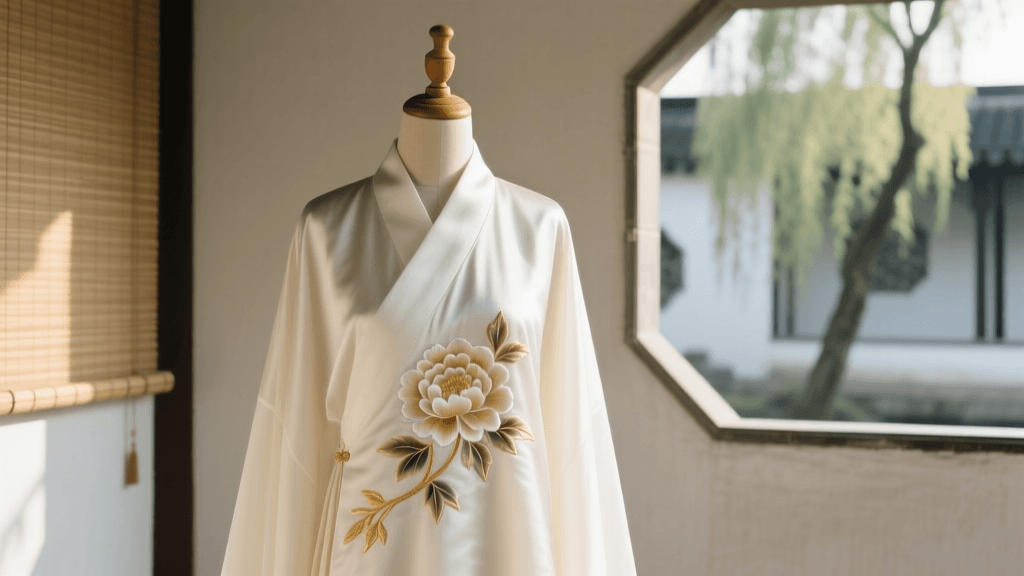
The Legacy of Su Xiu: China's Premier Silk Embroidery
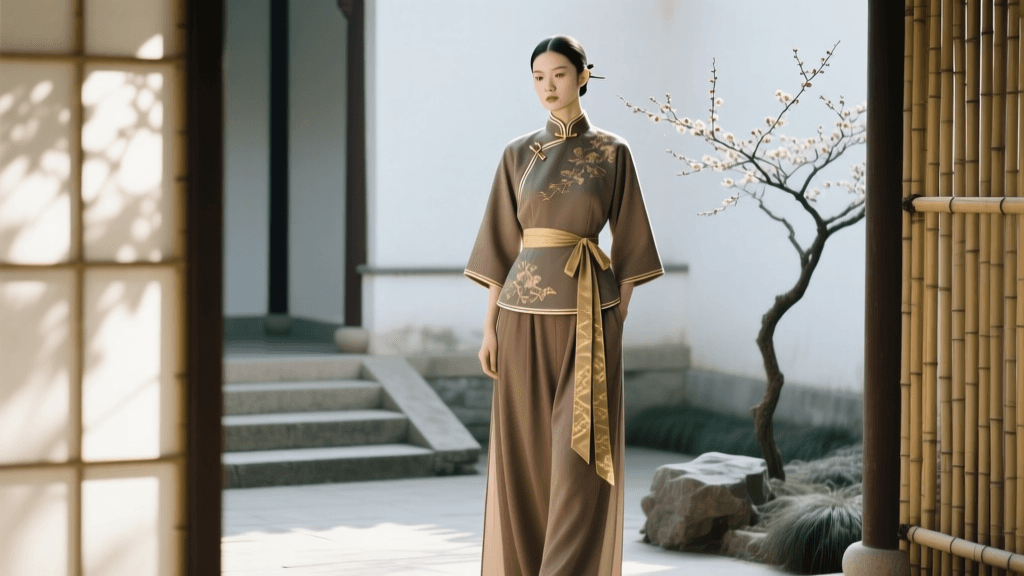
When discussing the zenith of Asian textile arts, few traditions command as much reverence as Suzhou embroidery, known locally as Su Xiu. Originating in the Jiangsu province over 2,000 years ago, this meticulous craft has become synonymous with luxury, elegance, and the highest echelons of traditional Chinese clothing. From the flowing sleeves of a Ming-dynasty Hanfu to the form-fitting silhouette of a 1930s Shanghai Qipao (Cheongsam), Su Xiu transforms flat silk canvases into breathtaking, three-dimensional landscapes of flora, fauna, and mythology.
According to the UNESCO Intangible Cultural Heritage registry, the sericulture and silk craftsmanship of China represent a profound intersection of art, agriculture, and cultural identity. Suzhou embroidery stands at the very heart of this heritage, requiring decades of practice to master the delicate manipulation of silk fibers. For modern collectors, cultural enthusiasts, and bespoke fashion lovers, understanding the nuances of Su Xiu is essential for appreciating—and accurately purchasing—authentic traditional garments.
The Four Great Embroideries of China
While China boasts dozens of regional embroidery styles, art historians and textile experts categorize four distinct schools as the "Four Great Embroideries." Understanding these differences helps buyers identify the origin and style of vintage and contemporary pieces.
| Style | Origin | Key Characteristics | Common Motifs |
|---|---|---|---|
| Su Xiu | Suzhou, Jiangsu | Delicate, split threads, subtle shading, double-sided stitching | Koi fish, cats, peonies, plum blossoms |
| Xiang Xiu | Hunan | Bold colors, high contrast, realistic painterly shading | Tigers, dramatic landscapes, calligraphy |
| Yue Xiu | Guangdong | Vibrant hues, extensive gold/silver thread couching | Phoenixes, dragons, lychees, tropical birds |
| Shu Xiu | Sichuan | Soft satin bases, practical durability, thicker threads | Bamboo, pandas, lotus flowers, mountains |
As noted by Encyclopedia Britannica, Su Xiu is uniquely celebrated for its refined color palettes and the artisan's ability to split a single silk thread into microscopic strands, allowing for gradients that mimic traditional ink wash paintings.
Technical Mastery: Threads, Stitches, and Shuang Mian Xiu
The true magic of Suzhou embroidery lies in thread manipulation. A standard silk thread is composed of multiple plies. A master embroiderer will split a single thread into 2, 4, 8, 16, 32, or even 48 micro-strands. When rendering the translucent fin of a koi fish or the soft fur of a cat, artisans use a 1/32nd or 1/48th ply, creating stitches that are virtually invisible to the naked eye.
Essential Su Xiu Stitches
- Tao Zhen (Overlapping Stitch): Used for shading flower petals and animal fur. Stitches overlap seamlessly to create smooth color transitions without harsh lines.
- Ping Jin (Gold Couching): Gold or silver foil-wrapped threads are laid flat on the silk surface and secured with microscopic silk stitches, often used for dragon scales or Qipao borders.
- Da Zi (Seed Stitch): Tiny, knotted stitches used to create texture, such as the stamen of a lotus flower or the eyes of a bird.
The Miracle of Shuang Mian Xiu (Double-Sided Embroidery)
The pinnacle of Su Xiu is Shuang Mian Xiu, where both sides of a sheer silk gauze base are embroidered simultaneously. The artisan hides all knots and thread ends within the microscopic stitches. In its most advanced form, Shuang Mian San Yi Xiu, the front and back feature entirely different motifs and color palettes—for example, a white cat on the front and a tiger on the reverse. While mostly used for folding screens and decorative art, modern master tailors occasionally incorporate small double-sided elements into the cuffs and collars of high-end Hanfu.
Actionable Guide: Commissioning and Buying Embroidered Garments
Whether you are commissioning a bespoke Qipao for a wedding or purchasing an embroidered Hanfu for cultural festivals, knowing what to look for will protect your investment. The market is flooded with machine-made replicas masquerading as hand-stitched heritage pieces.
How to Authenticate Hand-Stitched vs. Machine-Stitched Su Xiu
- Examine the Reverse Side: Machine embroidery uses a bobbin thread, meaning the back will often show a different color or a uniform, synthetic mesh of threads. Authentic hand embroidery uses the exact same silk thread on top and bottom, and the reverse will look nearly as pristine as the front.
- Check for Shading Gradients: Machines struggle with organic, painterly gradients. If a peony petal transitions from deep crimson to pale pink in seamless, microscopic steps, it is likely hand-stitched using the Tao Zhen overlapping technique.
- Test the Drape: Machine embroidery requires heavy stabilizers that leave the silk stiff and board-like. Hand-embroidered silk retains its fluid, liquid drape because the tension is controlled entirely by the artisan's fingers.
- Look for Micro-Irregularities: While masters are incredibly precise, hand-stitched work possesses a subtle, organic vitality. Perfectly uniform stitch lengths measured to the millimeter usually indicate computerized sewing.
Cost and Timeline Expectations
Authentic Su Xiu is an investment of both time and capital. Below is a practical pricing and timeline guide for the current market:
- Machine-Embroidered Hanfu/Qipao: $50 – $200. Produced in factories using rayon or synthetic silk threads. Timelines are immediate. Good for casual wear or cosplay, but lacks cultural and monetary value.
- Hand-Embroidered (Apprentice/Basic Motifs): $400 – $1,200. Features hand-stitched collars, cuffs, or hem borders on genuine mulberry silk. Expect a 4 to 8-week wait time.
- Hand-Embroidered (Master/Complex Motifs): $2,500 – $8,000. Full garment coverage with complex motifs like phoenixes or elaborate floral scrolls using split-ply threads. Requires 3 to 6 months of dedicated labor.
- Bespoke Masterpiece Qipao (Double-Sided Elements): $15,000+. Commissioned directly from heritage artisans in Suzhou. Timelines often exceed 12 months.
For those seeking verifiable historical context on garment construction, The Metropolitan Museum of Art's Heilbrunn Timeline of Art History provides excellent visual references on how traditional Chinese embroidery was historically integrated into imperial and ceremonial robes.
Caring for Heavily Embroidered Silk Garments
Silk and hand-spun embroidery threads are highly sensitive to moisture, friction, and UV light. Proper care is non-negotiable to preserve the structural integrity of a Su Xiu garment.
Washing and Maintenance
Never water-wash an embroidered silk garment. Water causes mulberry silk to lose up to 20% of its tensile strength, and the embroidery threads may bleed or shrink at different rates than the base fabric, causing irreversible puckering. Always utilize a professional dry cleaner who specializes in heritage textiles and beaded/embroidered silks. Inform them explicitly about the hand-stitched nature of the piece so they avoid harsh chemical solvents that can strip the silk's natural sericin coating.
Storage Best Practices
- Roll, Do Not Fold: Folding creates permanent creases that can eventually snap the delicate embroidery threads. Roll your Qipao or Hanfu around a wide, acid-free cardboard tube padded with unbleached cotton muslin.
- Use Acid-Free Tissue: If you must store the garment flat in a drawer, interleave the folds with acid-free, unbuffered tissue paper to prevent the embroidery threads from snagging on the fabric.
- Climate Control: Store in a cool, dark environment with a relative humidity of 45-55%. High humidity invites silverfish and mold, while extreme dryness makes silk brittle.
Ironing and Steaming
Avoid direct steam, which can leave water spots on the silk. If the garment requires pressing, turn it inside out. Place a clean, white cotton pressing cloth between the iron and the reverse side of the embroidery. Use the lowest possible heat setting (the "Silk" dial) and press lightly without dragging the iron, which could distort the stitches.
Preserving a Living Heritage
The revival of the Hanfu movement and the global appreciation for the Qipao have breathed new life into Suzhou embroidery. However, the aging population of master artisans poses a significant threat to the survival of ultra-fine ply-splitting techniques. By educating oneself on the technical hallmarks of Su Xiu, demanding transparency from retailers, and investing fairly in the time it takes to create these masterpieces, consumers play a direct role in keeping this magnificent Asian textile tradition alive for future generations.