Top Hanfu Education Workshops & Certifications 2026
The Renaissance of Hanfu Education in 2026
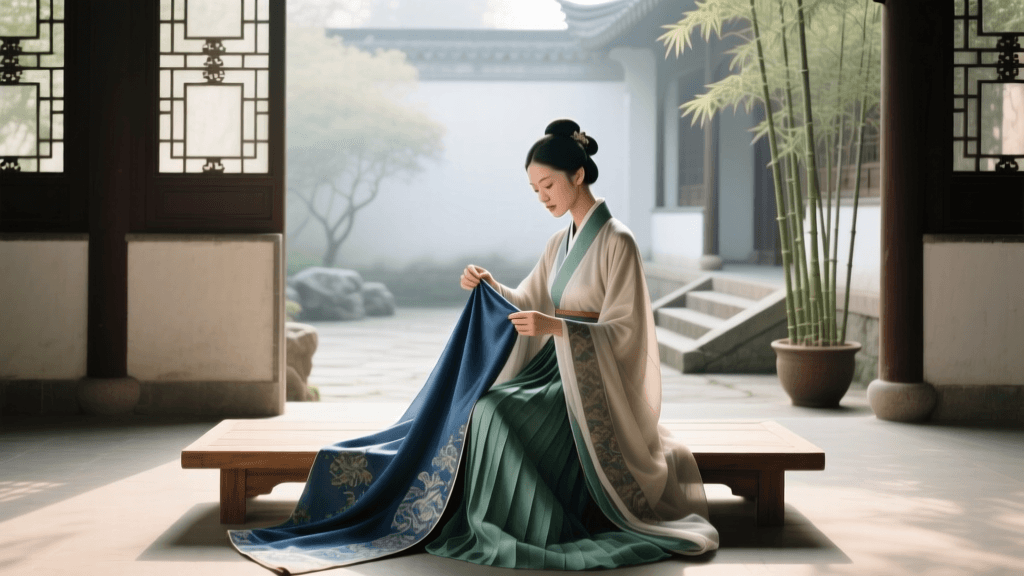
Over the past decade, the global fascination with traditional Chinese clothing has transformed from a niche internet subculture into a robust, multi-billion-dollar international industry. As of 2026, the Hanfu movement has matured significantly, moving beyond simple hobbyist appreciation into the realm of rigorous academic study and professional vocational training. Today, aspiring fashion historians, theatrical costumers, and boutique designers are seeking formal validation of their skills through specialized Hanfu education workshops and certification programs. This surge in demand for authenticity and historical accuracy has prompted leading textile institutions and private ateliers to develop comprehensive curricula that honor ancient techniques while meeting modern commercial standards.
For cultural preservationists and fashion professionals alike, understanding the intricate nuances of traditional Han Chinese garments is no longer optional; it is a professional necessity. Whether you are looking to style historical dramas, launch an ethically sourced heritage brand, or curate museum exhibitions, securing a recognized certification in 2026 provides a distinct competitive advantage. This guide explores the most prestigious Hanfu education workshops, certification pathways, and the core competencies you must master to succeed in this flourishing field.
Why Pursue a Hanfu Certification in 2026?
The commercial and cultural landscape surrounding traditional Asian garments has become highly sophisticated. Consumers and collectors are now highly educated, capable of distinguishing between historically accurate Ming dynasty silhouettes and modernized, inaccurate interpretations. A formal certification serves multiple vital purposes in this environment:
- Cultural Authority: Certification from a recognized institution signals to clients, studios, and museums that your work is grounded in rigorous historical research rather than pop-culture approximations.
- Technical Mastery: Traditional Chinese garment construction relies on flat-pattern drafting (pingmian caijian) and zero-waste cutting methods that differ radically from Western tailoring. Workshops provide the hands-on muscle memory required to execute these techniques flawlessly.
- Textile Sourcing Networks: Elite certification programs grant students access to closed-network artisan weavers, allowing them to source authentic materials like Xiangyunsha (mud-dyed silk) and Song brocade directly from heritage mills.
- Global Marketability: With international fashion houses increasingly collaborating with Asian heritage artisans, certified Hanfu stylists and consultants are frequently hired as cultural liaisons to ensure respectful and accurate runway representations.
Top Hanfu Workshops and Certification Programs
When selecting a program, it is crucial to choose institutions that balance historical theory with practical, hands-on garment construction. Below are the most highly regarded certification pathways available to international and domestic students in 2026.
1. Beijing Institute of Fashion Technology (BIFT) – Continuing Education Certificate in Historical Chinese Dress
As one of the premier fashion academies in Asia, the Beijing Institute of Fashion Technology offers an intensive, six-month certification program tailored for working professionals. The 2026 curriculum has been updated to include advanced modules on digital archiving and 3D historical garment simulation, alongside traditional hand-sewing techniques. Students spend weeks analyzing extant artifacts from the Ming and Qing dynasties, learning to replicate the precise stitch densities and seam finishes of the era. The program culminates in a juried exhibition where students must present a historically accurate, fully hand-finished ensemble.
2. China National Silk Museum (Hangzhou) – Masterclass in Traditional Textile Weaving and Dyeing
While many programs focus on the cut and drape of the garment, the China National Silk Museum focuses on the very foundation of Hanfu: the textile. Their specialized workshop series is essential for designers who wish to understand the chemical and mechanical processes behind heritage fabrics. The 2026 masterclass includes rare, hands-on sessions with intangible cultural heritage inheritors who teach the secrets of natural indigo vat dyeing, Luo (gauze) weaving, and the complex brocade structures of the Song dynasty. Graduates receive a specialized certification in Heritage Textile Conservation and Sourcing.
3. Global Online Hanfu Styling Academy – Virtual Draping and Wardrobe Certification
For international students unable to relocate to China, the Global Online Hanfu Styling Academy offers a rigorous virtual certification. Utilizing augmented reality (AR) fitting rooms and high-resolution digital textile libraries, students learn the complex art of layering, pleating, and accessory coordination. The curriculum heavily emphasizes the stylistic differences between the Tang, Song, and Ming dynasties, teaching students how to properly tie sashes, position hairpins, and layer skirts (qun) over jackets (ao) without disrupting the historical silhouette.
2026 Program Comparison Chart
To help you choose the right educational path, we have compared the top three programs based on their current 2026 tuition, format, and primary focus areas.
| Institution | Program Name | 2026 Tuition (USD) | Duration | Primary Focus |
|---|---|---|---|---|
| BIFT (Beijing) | Historical Dress Certificate | $3,200 | 6 Months | Pattern Drafting & Construction |
| China National Silk Museum | Textile Weaving Masterclass | $1,800 | 4 Weeks (Intensive) | Heritage Fabrics & Dyeing |
| Global Online Academy | Virtual Styling Certification | $950 | 3 Months (Part-time) | Layering, Draping & Styling |
Core Curriculum: What You Must Master
Regardless of the institution you choose, any reputable Hanfu certification program in 2026 will rigorously test your knowledge in several foundational areas. The transition from a hobbyist to a certified professional requires a deep, structural understanding of the clothing.
Flat-Pattern Drafting and Zero-Waste Cutting
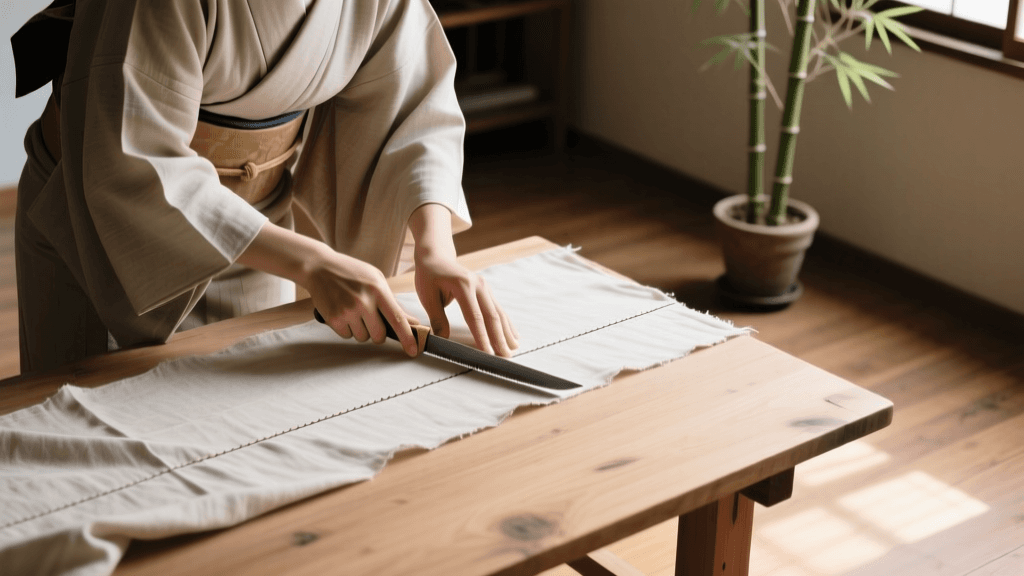
Unlike Western fashion, which relies on darts, curved seams, and complex tailoring to mold fabric to the body's three-dimensional contours, traditional Hanfu is rooted in flat-pattern drafting. The fabric is cut in straight lines and geometric shapes, utilizing the natural drape of the silk or linen to create volume and movement. Certification exams require students to demonstrate how to construct a traditional Shenyi (deep robe) or a Ming dynasty Aoqun (jacket and skirt set) using minimal cutting, ensuring that the structural integrity of the woven textile is preserved and waste is virtually eliminated.
Dynasty-Specific Silhouettes and Proportions
A common pitfall for novices is blending elements from different historical periods, creating anachronistic outfits that experts immediately recognize as inaccurate. Advanced workshops drill down into the specific proportions of major eras. For instance, students learn the high-waisted, voluminous, and cosmopolitan silhouettes of the Tang dynasty, contrasting them sharply with the slender, understated, and refined lines of the Song dynasty, and the structured, heavily layered, and ornate styles of the Ming dynasty. Understanding the socio-political context that drove these aesthetic shifts is a mandatory component of the theoretical exams.
Textile Identification and Care
Certified professionals must be able to identify heritage textiles by touch and sight. You will learn to distinguish between various types of silk, such as Zhangzhou velvet, Yunjin (cloud brocade), and Xiangyunsha. Furthermore, the curriculum covers the specialized conservation techniques required to clean, store, and repair these delicate, often naturally dyed fabrics without causing chemical degradation or fiber breakage.
Sourcing Authentic Materials for Your Practicum
A critical component of your certification journey is the final practicum, which requires you to source materials and construct a garment from scratch. In 2026, the market is flooded with synthetic imitations masquerading as heritage silks. To pass your practicum with honors, you must utilize authentic materials. Certified students are taught to navigate the wholesale markets of Hangzhou and Suzhou, looking for the official Geographical Indication (GI) tags that authenticate genuine Xiangyunsha and Song Brocade. Building relationships with artisan cooperatives in Guangdong and Jiangsu provinces is a skill actively mentored during the workshop phases, ensuring that your final portfolio pieces reflect true cultural and material authenticity.
Career Pathways for Certified Hanfu Professionals
Graduating from a recognized Hanfu education workshop opens doors to a variety of lucrative and culturally significant career paths. In the entertainment sector, streaming platforms producing high-budget historical dramas exclusively hire certified consultants to ensure wardrobe accuracy, avoiding the public backlash that historically inaccurate costuming can generate. In the luxury wedding industry, bespoke Hanfu ateliers charge premium prices for historically accurate, hand-woven bridal ensembles, requiring stylists who possess both technical construction skills and deep cultural knowledge. Additionally, museums and cultural heritage sites frequently employ certified educators to design interactive workshops for the public, bridging the gap between ancient artifacts and modern audiences.
Ultimately, pursuing a Hanfu certification in 2026 is an investment in cultural preservation. It is a commitment to honoring the artisans of the past by ensuring their techniques, aesthetics, and philosophies are carried forward with integrity, precision, and profound respect into the future of global fashion.